The Ultimate Guide to Muskrat Control: Protecting Your Property

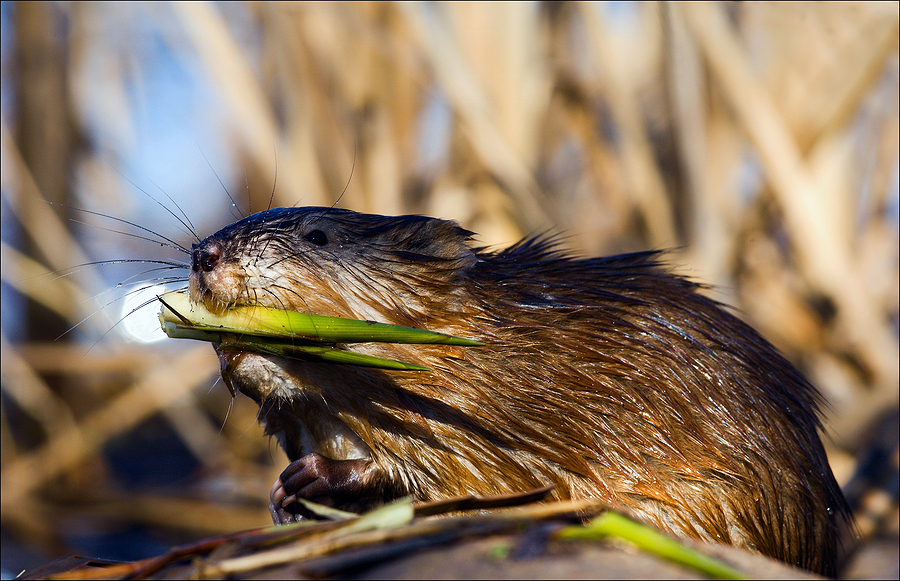
If your property has become a habitat for muskrats, it’s essential to understand their behavior, diet, and control techniques. These semi-aquatic rodents are known to burrow in marshlands and ponds, often causing significant damage to your property. They feed mostly on aquatic vegetation, fruits, and occasionally small aquatic creatures.

Controlling the muskrat population on your property involves several strategies from using muskrat repellents to setting up muskrat traps. However, it’s important to remember that these traps should only be handled by trained wildlife control operators to ensure safety and effectiveness. Stay tuned as we delve deeper into each of these aspects.
Call 317-847-6409  for Licensed Muskrat Control in Indianapolis Indiana
Call 317-847-6409 for Licensed Muskrat Control in Indianapolis Indiana

Understanding Muskrat Habitat and Diet

Muskrats are found in wetlands, rivers, lakes, and streams. They are excellent swimmers and can hold their breath for up to 20 minutes underwater. These abilities make them well-adapted to their semi-aquatic lifestyle. They build lodges from vegetation near the water’s edge or dig burrows in the banks for shelter. Muskrats are most active at night and can be identified by their distinctive tracks, typically leading to the water’s edge.

As mentioned earlier, muskrats primarily feed on aquatic vegetation such as cattails, sedges, and water lilies. They also consume fruits like apples, berries, and grains if available. While they may occasionally eat small fish, insects, and crustaceans, these make up a small portion of their diet. This knowledge is crucial in understanding how to control muskrats effectively.

Muskrat Control Techniques:

Animal Repellents

Controlling nuisance muskrats on your property can be challenging due to their habitat and feeding preferences. Using animal repellents can be an effective way to deter them from your property. Muskrat repellents can come in the form of sprays, granules, or electronic devices that emit ultrasonic sounds. These methods are typically safe for the environment and non-toxic to other animals.

Muskrat Traps

If muskrats have already taken up residence on your property, trapping may be necessary. It’s essential to use live traps rather than lethal ones to minimize harm to the animal. Remember, muskrat traps should only be handled by trained wildlife control operators for safety and ethical reasons.

Environmental Modification

Another effective method is habitat modification. You can make your property less attractive to muskrats by removing their food sources and blocking or filling any burrows or lodges they may have built. This approach requires regular maintenance, but it can be a long-term solution.

Muskrat vs Beaver

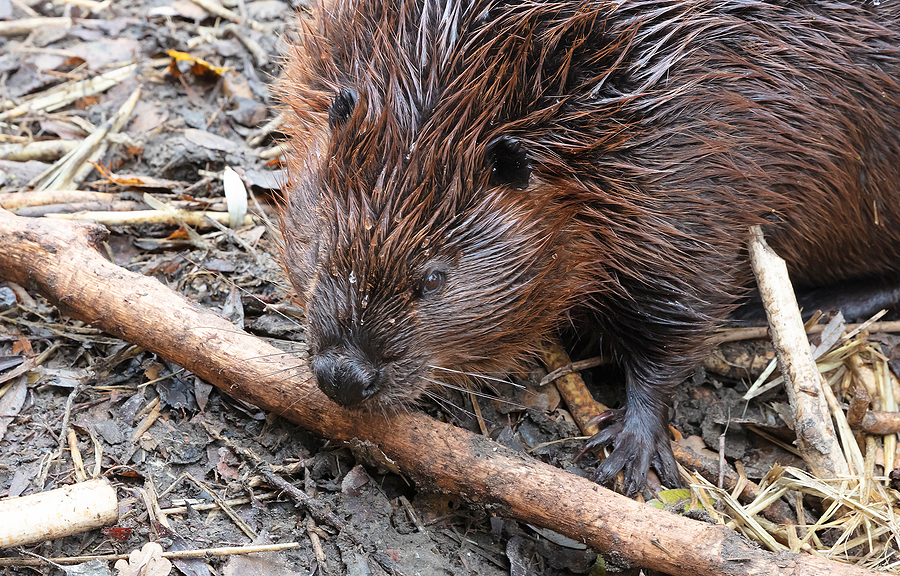
Many people confuse muskrats for beavers and vice versa.  While they both live in water and have similar physical features, there are some key differences between the two. Muskrats are much smaller than beavers, reaching up to two feet in length, while beavers can grow up to four feet. Beavers also have a flat paddle-like tail, whereas muskrats have a long, skinny tail that tapers towards the end. Additionally, beavers build large dams and lodges using trees and branches, while muskrats build smaller structures from vegetation.

If you are having trouble with beavers,  it’s best to contact a wildlife control operator as they require specialized techniques and tools for removal.

Conclusion

Muskrats may seem like harmless creatures, but their burrowing and feeding habits can cause significant damage to your property. Understanding their behavior, habitat, and diet is the first step in controlling their population. Using repellents, live traps, or modifying their habitat are all viable options for muskrat control. However, it’s essential to seek professional help from trained wildlife control operators when using traps. By following these techniques, you can protect your property and maintain a balance with nature. 

If you’re struggling with muskrats on your property, act now. Contact Modern Wildlife Control at 317-847-6409 for licensed and insured muskrat removal services in Indianapolis, Indiana. We serve residential and commercial clients.

Related Posts:

Important Facts About Muskrat Removal and Control
How to Get Rid of Muskrats
What You Should Know about Muskrats Before Trying to Remove Them Yourself
A Homeowner’s Guide to Controlling Opossums Effectively

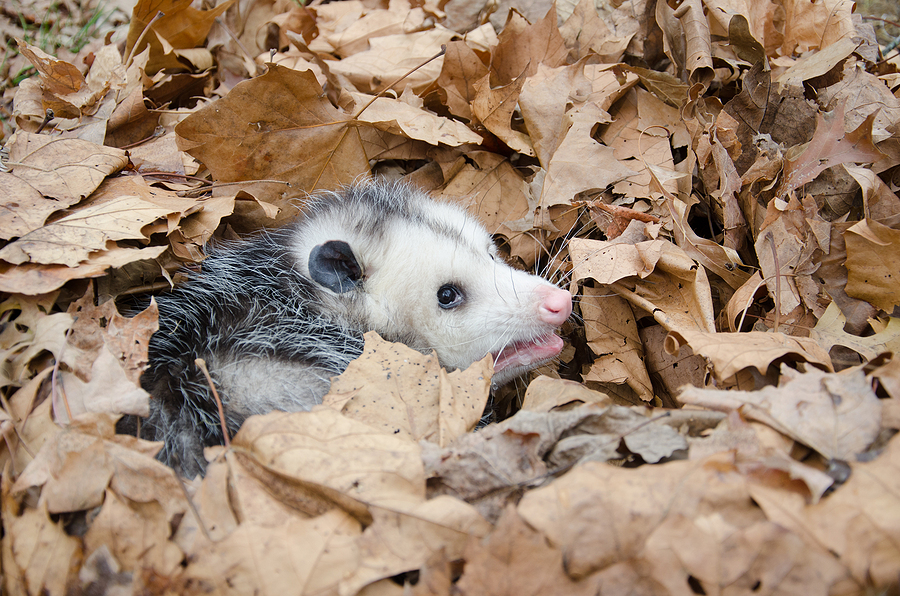
Welcome to our comprehensive guide on controlling opossums effectively, designed primarily for homeowners who seek humane and efficient solutions. This blog aims to provide you with practical steps and methods for opossum removal and control. Here, we will introduce you to various opossum repellents and elucidate their effective use.

By the end of this guide, you will be well-equipped to handle the opossum issue on your property with confidence and knowledge. Whether you’re dealing with a nocturnal visit from a single opossum or a whole family, stay tuned to learn how to take back your space wisely.

Call 317-847-6409  For Opossum Removal Service in Indianapolis Indiana
Call 317-847-6409 For Opossum Removal Service in Indianapolis Indiana

The 101 on Getting Rid of Opossums

Before we delve into controlling these marsupials, it’s essential to understand their behavior and habits. Opossums are opportunistic creatures that often take advantage of food sources near human dwellings. With a diet ranging from insects to garbage, opossums are attracted to homes with easy access to food and shelter. The presence of an opossum in your yard or attic could cause damage to plants and property.

Additionally, they can also carry diseases that pose a threat to both humans and pets. Although opossums are not well known to carry Rabies, they can contract and spread other diseases and parasites to people and pets, such as ticks, fleas, and roundworms. Therefore, it’s crucial to take steps for opossum control once you spot them on your property.

Opossum Removal

The first step towards controlling opossums is eliminating whatever it is that attracts them. Regularly secure all garbage cans and remove fallen fruits and nuts from the ground. Keep your lawn trimmed, and any potential entry points, such as holes in fences or gaps in walls, should be sealed off.

If you discover an opossum den on your property, the best approach is to seek professional help. Opossums can be aggressive when cornered, and attempting to remove them yourself could result in injury. Wildlife experts have the experience and equipment to remove opossums safely and humanely.

Opossum Control

If you’re dealing with a recurring opossum problem, consider using repellents to deter them. There are various natural and commercial opossum repellents available on the market. Some common ones include predator urine, ammonia-soaked rags, or cayenne pepper spray. These repellents work by creating a scent or taste that opossums find unpleasant, causing them to avoid the area.

It’s essential to follow the instructions carefully when using any repellent, as some may be harmful to humans and pets if not used correctly. Additionally, remember that repellents are only effective for short periods and need regular reapplication.

When to Hire a Licensed Wildlife Control Company for Help

If you’ve tried various control methods, but the opossums keep coming back, it may be time to call in the professionals. A licensed and insured wildlife control company can help identify and seal off any potential entry points into your home or property, preventing future opossum infestations. They can also provide long-term solutions for deterring opossums from your yard, such as installing motion-activated sprinklers or ultrasonic devices.

Conclusion

In conclusion, controlling opossums effectively requires a combination of prevention, removal, and deterrence methods. By taking the necessary steps to eliminate potential attractants and using repellents correctly, you can successfully keep opossums away from your property. And if all else fails, don’t hesitate to seek professional help for a long-term solution. Remember, by practicing humane and responsible opossum control, you’re not only protecting yourself and your property but also these misunderstood creatures.  So, be vigilant and take the necessary steps to keep your home critter-free.

Keep in mind that removing opossums is only half the battle; it’s also crucial to take steps to prevent future infestations. Contact Modern Wildlife Control at 317-847-6409 for safe and effective animal trapping and removal services for opossums in Indianapolis, Indiana and its surrounding counties. We serve residential and commercial customers.

Related Posts:

Tips for Controlling Nuisance Opossums Around Your Property
Understanding the Behavior of Opossums in the Wild
Best Strategies to Get Rid of Opossums Around Your Property

Winterizing Your Home Against Unwanted Critters in Indiana

Today marks the first day of winter in Indiana, and it’s not just the humans who are looking for a warm refuge – nuisance animals are too. They might seem harmless, but these unwanted critters can wreak havoc on your property. Raccoons, mice, squirrels, and other creatures may seek warmth and shelter within your walls, causing structural damage and health risks. But fear not!

This blog post will guide you through the essential steps of winterizing your home against unwelcome wildlife. We will delve into effective animal-proofing techniques and explore professional wildlife control solutions. So, buckle up and prepare to reclaim your space this winter!

Call 317-847-6409  for Licensed Animal Proofing Service in Indianapolis Indiana
Call 317-847-6409 for Licensed Animal Proofing Service in Indianapolis Indiana

Animal Proofing Your Home

The first line of defense against unwanted critters is to animal proof your home. This involves assessing and fortifying potential entry points and eliminating any attractants in your yard. Here are a few tips for animal proofing:

Inspect the exterior. Walk around the perimeter of your house and look for any openings that could serve as access points for wildlife. Check for gaps in siding, holes in the roof, or cracks in the foundation. Also, make sure your chimney and vents are securely covered with mesh screens.

Seal small openings. Even a tiny crack can provide entry for mice and other small animals. Use caulk or steel wool to seal any openings you find on your exterior walls.

Secure trashcans. Raccoons and other animals are always on the lookout for food sources, so make sure your trash cans have tight-fitting lids. Consider investing in animal-proof containers or storing bins in a secure shed.

Eliminate potential nesting sites. Keep your yard tidy by removing any piles of leaves, wood, or debris that could serve as a cozy hiding spot for animals.

Prune trees and shrubs. Trim branches that hang close to your house, as they can provide easy access for squirrels and other climbing critters.

By implementing these simple measures, you can greatly reduce the chances of wildlife finding their way into your home.

Professional Wildlife Control

If you’re dealing with a persistent or more significant wildlife problem, it may be time to call in the professionals. Wildlife control experts have the knowledge and tools to safely and humanely remove animals from your property. They also offer preventative measures to ensure that critters don’t return in the future. Here are some services they may provide:

Inspection: A professional will thoroughly inspect your home, identify potential entry points, and determine the severity of your infestation.

Removal: Using humane techniques, they will remove any wildlife from your home and relocate them to a suitable habitat.

Exclusion: To prevent future infestations, professionals can install barriers and exclusion devices to keep animals out of your home.

Cleanup and Sanitation: If animals have been living in your home, professionals can clean and sanitize the affected areas to eliminate any health risks.

Consultation: Wildlife control experts can offer advice on how to animal-proof your home and make recommendations for keeping critters away.

Winterizing Tips for Specific Animals

Different types of animals may require different strategies for weatherization in winter. Here are some tips for dealing with specific nuisance species in Indiana:

Raccoons: Raccoons are clever critters that are known for their ability to find their way into homes. Make sure all exterior openings, including chimneys, are tightly sealed. Also, secure your garbage cans and don’t leave pet food outside.

Mice: These tiny rodents can squeeze through even the smallest of openings. Seal all cracks and gaps in your home’s exterior and keep food stored in airtight containers.

Squirrels: Squirrels are agile climbers, so they can easily access your roof through overhanging tree branches. Keep trees trimmed back from your house and use metal flashing to block any openings around the roof line.

Bats: To prevent bats from roosting in your attic, install mesh screens over vents and seal any gaps in your roof line.

Remember, when dealing with wildlife, it’s always best to consult with a professional wildlife removal and control company before attempting any DIY measures. They have the expertise to handle animals safely and effectively.

Bottom Line

Winterizing your home against unwanted critters is an essential step in protecting your property and ensuring the safety of you and your family. By following these tips and enlisting the help of professionals when needed, you can prevent animal infestations and enjoy a peaceful winter season in Indiana. Don’t let these pesky critters ruin your holiday spirit – take action now to animal-proof your home!  So, bundle up, grab some hot cocoa, and get started on preparing your home for a critter-free winter.

Do you deal with nuisance animal problems every winter? Contact Modern Wildlife Control at 317-847-6409 for safe and effective animal proofing and removal services for all types of wildlife in Indianapolis, Indiana and its surrounding counties. We serve residential and commercial customers.

Related Posts:

4 Nuisance Animals to Watch Out For in Winter
Indiana’s Wildlife Problems: How They Affect the Environment and Communities
11 Tips for Humanely Controlling Indiana Wildlife

How to Remove Skunk Smell from Your Pet

It’s a pet owner’s nightmare – your beloved dog, cat, or other furry friend has had a run-in with a skunk resulting in an unbearable odor. That unmistakable skunk smell can permeate your entire home, becoming an unwelcome reminder of your pet’s unfortunate encounter. But don’t worry, you’re not alone in this battle against the pungent skunk odor.

In this blog post, we will guide you through a step-by-step process on effective skunk spray removal, helping you restore your pet’s freshness and your peace of mind. Let’s dive into the world of de-skunking and turn this nightmare into a manageable and transient incident.

Call 317-847-6409  For Skunk Control in Indianapolis Indiana
Call 317-847-6409 For Skunk Control in Indianapolis Indiana

Understanding Skunk Smell

Before diving into the removal process, it’s essential to understand what causes that pungent smell. A skunk’s scent is produced by an oily liquid called mercaptan, which is found in their anal glands. When threatened, a skunk can spray this liquid as a defense mechanism, creating that distinct and potent odor. The smell can linger for days if not properly addressed, making it crucial to act quickly.

Step 1: Containment

The first step in removing skunk smell from your pet is containment. Now that your furry friend has returned home with the dreaded scent, it’s essential to isolate them in an area where they cannot spread the odor further. This could be a bathroom or a crate, for example.

Step 2: Prepare the De-Skunking Solution

After containing your pet, it’s time to prepare the de-skunking solution. A homemade remedy that has proven to be effective is a mixture of hydrogen peroxide, baking soda, and dish soap. Mix one quart of hydrogen peroxide with ¼ cup of baking soda and a teaspoon of dish soap in a bucket. The solution should be used immediately as it will lose its effectiveness over time.

Step 3: Wet Your Pet

Using a hose or bucket, dampen your pet’s fur with water before applying the de-skunking solution. Avoid getting water in your pet’s eyes, nose, and ears.

Step  4: Apply the Solution

Once your pet is wet, apply the de-skunking solution to their fur. Make sure to work it into their coat thoroughly, avoiding contact with sensitive areas like eyes and mouth.

Step 5: Rinse Thoroughly

After allowing the solution to sit for a few minutes, rinse your pet’s fur thoroughly with water. It’s essential to get rid of all the solution, as any residue can irritate their skin and cause further discomfort.

Step 6: Repeat if Necessary

In some cases, one round of de-skunking may not be enough. If your pet still has a lingering smell after the first attempt, repeat the process until the odor is gone.

Additional Tips for Skunk Smell Removal

▷ When handling the de-skunking solution, make sure to wear gloves to avoid contact with your skin.

▷ If your pet’s eyes were exposed to the skunk spray, rinse them gently with water. If irritation persists, seek veterinary help.

▷ Avoid using tomato juice as a de-skunking remedy. Despite its popularity, it is not very effective in removing the odor.

▷ To prevent future skunk encounters, keep your pet on a leash and avoid letting them out at night when skunks are most active.

Skunk Control Tips

If your area has a high skunk population, it’s essential to take preventative measures to avoid future skunk encounters. Here are some tips for skunk control:

▷ Seal any openings or holes around your home that could serve as potential den sites for skunks.

▷ Keep trash cans tightly sealed and remove food sources like bird feeders from your yard.

▷ Consider using a skunk repellent to deter them from entering your property.

▷ Hire a professional wildlife removal and control company for effective skunk control assistance.

If you are having recurring issues with skunks, it’s best to contact an Indianapolis wildlife control company for professional help.

Conclusion

Removing skunk smell from your pet may seem like an overwhelming task, but with the right approach, it can be done effectively. By following these steps and tips, you can quickly and safely get rid of the unpleasant odor, restoring your pet’s freshness and eliminating any reminders of their unfortunate encounter with a skunk.

Are you dealing with frequent skunk visitations nightly? Contact Modern Wildlife Control at 317-847-6409 for safe and effective skunk removal and control in Indianapolis, Indiana. Our wildlife removal services are humane, effective, and available for both residential and commercial clients.

Related Posts:

Skunk Prevention Tips for Homeowners
Frequently Asked Questions About Skunk Smell
4 Safe Methods of Getting Rid of Skunks

Raccoon Removal 101: Your Essential Guide

When it comes to sharing your home, raccoons are probably the last guests you’d want. Known for their curiosity and dexterity, these midnight marauders can wreak havoc, particularly if they decide that your attic is their new abode.

This guide to raccoon removal is your go-to resource for understanding and managing these intruders. We will take a deep dive into effective raccoon control methods, how to deal with raccoons in the attic and ensure they don’t return. Let’s reclaim your peace and safety! 

Call 317-847-6409  for Raccoon Removal Near Indianapolis IN
Call 317-847-6409 for Raccoon Removal Near Indianapolis IN

The Common Raccoon

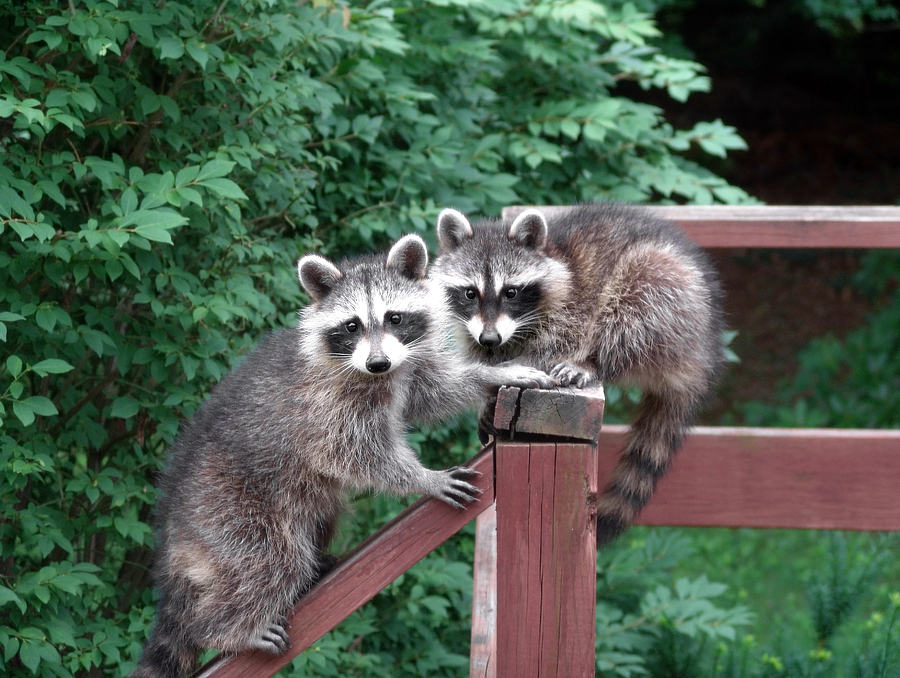
The Common Raccoon, scientifically known as Procyon Lotor, is a highly adaptable mammal found predominantly in North America. Known for their characteristic black mask and ringed tail, raccoons are omnivorous, ingesting a diet that includes fruits, plants, insects, and small animals. They are renowned for their intelligence and problem-solving abilities, which often lead them to urban areas in search of food. While their curious nature and dexterity may cause a few headaches for homeowners, there’s no denying the ingenuity and adaptability of the Common raccoon.

Identifying Raccoon Activity

The first step to getting rid of raccoons is knowing whether they’re even present. Once you confirm raccoon activity, then you can take the necessary steps to remove them and clean up any messes they may have left behind. Here are a few telltale signs that raccoons may be living in or visiting your home:

▶ Unusual noises like scratching or rustling coming from the attic or walls.
▶ Sightings of raccoons during the day or night.
▶ Damaged garbage cans and overflowing compost bins.
▶ Animal tracks in soil around your house.
▶ Chewed wires or other damage to property. 

Raccoon Control

Once you identify raccoon activity, it’s time to take control. It’s important to note that under Canadian law, it is illegal to poison or relocate raccoons without a permit from your local municipality. The following are the most effective methods of raccoon removal:

Professional Exclusion: The most humane and foolproof method of raccoon removal is to hire a professional wildlife control company. They will identify any potential entry points and areas of risk, install one-way exclusion doors to allow the animals to leave on their own, and clean up any mess left behind.

Professional Trapping: If you hire a professional raccoon control company with proper the means and expertise, they can set non-lethal traps, which can also be effective in removing raccoons. It’s important to note, however, that trapping is only legal if there is a valid purpose for doing so and it must be done in accordance with local laws and regulations.

DIY Repellents: You can also try using animal repellents, which you can buy over the counter or make yourself. You can also try using raccoon deterrents, such as talk radio, loud noises, automatic sprinklers, or motion-activated lights to scare away raccoons. Bear in mind though, these methods are not always effective on their own.

Racoon Proofing and Prevention

When it comes to raccoon control, prevention is key. Taking a few simple steps can help keep your property safe from these furry invaders:

Secure garbage cans and compost bins with tightly fitting lids.

Keep outdoor areas clean and free of debris.

Remove fallen fruit or vegetable matter from gardens or yards.

Install fencing around gardens or other areas that may attract raccoons.

Trim trees and shrubs near your home to reduce cover for access to the roof or attic.

Seal up any potential access points, such as cracks or holes in the foundation or roof.

Final Thoughts

Raccoon removal and control can be difficult, but with the right knowledge and resources, it is possible. By following the tips outlined in this guide, you can reclaim your home from these unwelcome visitors and ensure they don’t return. With a little patience and perseverance, you can rest easy knowing your property is protected from raccoons.

Do you suspect you have a nuisance raccoon problem on your property? Are there raccoons in your crawl space or attic right now? Contact Modern Wildlife Control at 317-847-6409 for licensed and insured animal trapping and removal for raccoons in Indianapolis, Indiana. We serve residential and commercial clients.

Related Posts:

Standard Procedures and Prices for Raccoon Removal
How to Protect Your Property During Raccoon Breeding Season
Recommended Attic Vent Screens for Raccoon Control

Understanding the Behavior of Opossums in the Wild

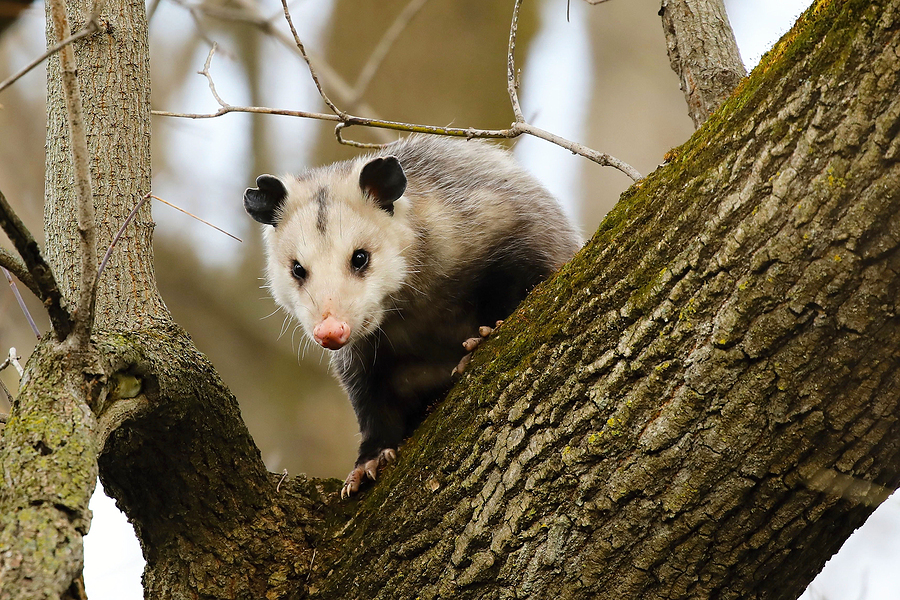
Opossums are one of the most misunderstood animals in North America. Despite their reputation for being aggressive and destructive, these curious creatures are actually quite harmless and can be a great asset to any backyard habitat. But if you’re looking to get up close and personal with an opossum, it’s important to understand their behavior so that you don’t accidentally startle them or put yourself at risk.

In this blog post, we will explore the behavior of opossums in the wild, including why they play dead when threatened and how they interact with other wildlife. We’ll also discuss some tips for humanely removing opossums from your property if necessary. By understanding more about these fascinating omnivores, we can all work together towards creating a safe environment for everyone!

Call 317-847-6409  for Opossum Removal in Indianapolis Indiana
Call 317-847-6409 for Opossum Removal in Indianapolis Indiana

Top Opossum Facts You Want to Know!

Opossums are Active From Dusk to Dawn

Opossums are nocturnal animals, which means they’re most active at night. During the day, they spend their time in burrows or dens made of leaves and twigs. At night, they come out in search of food, including insects, fruits, and small rodents. Opossums can also be very territorial when it comes to foraging for food and will fiercely defend an area if needed.

Possums Play Dead

When threatened by a predator or feeling cornered, opossums will often play dead as a defense mechanism. This behavior is known as “playing ‘possum” and is actually quite effective in scaring away potential predators. It involves lying motionless on the ground with eyes closed while emitting a foul smell. This will usually make the predator think the opossum is dead and cause it to flee.

Opossums Reproduce Quickly

Opossums are also unique in that they have one of the shortest gestation periods of any mammal: as little as 12 days! Female opossums carry their young for about two months before giving birth to an average litter size of eight babies. These tiny bundles of fur will cling to their mother’s back until they’re big enough to explore on their own.

Opossums are Usually Solitary

When it comes to interacting with other wildlife, opossums generally keep to themselves. However, if food sources become scarce or competition is fierce, they may be more likely to fight with neighboring animals such as raccoons or even small dogs.

Opossums Do Not Carry Rabies

Contrary to popular belief, opossums are rarely carriers of the Rabies Virus. However, they can still spread other infectious diseases and parasites. These include Leptospirosis, fleas, Lyme disease, ticks, and cocido19 to both humans and animals. Furthermore, their saliva is known to contain a variety of pathogens which can cause skin infection in people with weakened immune systems. Though fortunately human illnesses from these creatures are comparatively rare. The opossum does help maintain healthy ecosystems by feeding on unhelpful insects as well ticks and snails that could otherwise spread illness.

Professional Opossum Removal and Control is Essential

If you find that an opossum has taken up residence on your property, it’s important to remember they are a protected species and must not be harmed in any way. The best option is usually to employ humane methods of removal by contacting a licensed wildlife control company. Once the animal is removed, make sure to close off any potential entry points around the house so that no other opossums can get in.

Conclusion

By understanding more about the behavior of opossums in the wild, we can work together towards creating a safe environment for these fascinating animals and their human neighbors. With a little bit of knowledge and patience, everyone can co-exist peacefully!

Are you dealing with frequent possum visitors to your property? Act now before they can cause any damage or pose any threat! Contact Modern Wildlife Control at 317-847-6409 for safe and effective opossum removal and control in Indianapolis, Indiana. Our wildlife removal services are humane, effective, and available for both residential and commercial clients.

Related Posts:

Best Strategies to Get Rid of Opossums Around Your Property
Are Opossums a Critter Control Problem in the Fall and Winter?
Why Opossums are a Threat to Your Property

How to Safely Remove Beavers from Your Property

Beavers are one of the most destructive animals in North America, but they can also be a nuisance to homeowners. Beavers build dams that can cause flooding and destruction to property, and their presence near homes or businesses can lead to safety concerns. Fortunately, there are ways to safely remove beavers from your property without causing them any harm. In this blog post, we’ll discuss the best methods for beaver removal as well as provide tips on how you can prevent beaver damage in the future.

Keep reading to learn more about beaver control so you can keep your home safe!

Call 317-847-6409  for Beaver Removal in Indianapolis Indiana.
Call 317-847-6409 for Beaver Removal in Indianapolis Indiana.

Professional Beaver Removal Services

The first step in beaver removal is to contact a professional critter control company or beaver trapper to come and assess the situation. A qualified wildlife control operator will be able to identify signs of beavers on your property, such as lodges and dams, which can help them determine the best method for removal. In some cases, a simple exclusion fence may be enough to keep beavers away from your property, while in others, a more comprehensive beaver trapping and removal plan may be necessary.

Beaver Control

When it comes to beaver control, there are several different methods that can be used. Depending on the situation, the wildlife control company or trapper may use live traps, snares, nets, or even repellents to safely remove beavers from your property. In some cases, the animals may even be relocated to a more suitable habitat where they can live without causing damage.

Beaver Proofing

Finally, it’s also important to take steps to prevent future beaver damage on your property. A few simple measures you can take include 1) keeping potential food sources away from the area, such as pet food or bird feeders, 2) installing fencing around your property, and 3) keeping any standing water sources away from beaver habitat.

Manage Nuisance Beavers With the Right Knowledge

By following these tips for beaver removal and prevention, you can keep your home safe and prevent any further destruction caused by beavers. Contact a professional Indianapolis wildlife control company in your area to learn more about beaver removal services, plus discuss the best exclusion and extraction options for your situation. With the right plan in place, you can keep your property safe from these destructive creatures!

Need-to-Know Facts About Beavers

Those wishing to safely manage and control beavers should try to learn as much as possible about them first, as many beaver facts are beneficial when it comes to living peacefully alongside these unique animals and deterring any nuisance tampering or damage they are prone to causing.

As it turns out, beavers are fascinating creatures. They are often found in wetlands or near bodies of water such as lakes, ponds, and rivers. They build beaver lodges from sticks and mud and can be a nuisance if they start gnawing on vegetation around homes or other buildings.

There is plenty more to be admired about beavers, including their ability to create efficient dams that reduce flooding and provide safe havens for other wildlife. Beavers are also semi-aquatic mammals and incredibly strong for their size with sharp front teeth used for cutting down trees and strong rear feet with webbed toes that help them swim quickly away from land-based predators.

Are you looking for professional beaver control assistance in the Indy area? Contact Modern Wildlife Control at 317-847-6409 for licensed and insured animal trapping and removal for beavers in Indianapolis, Indiana. We serve residential and commercial clients.

Related Posts:

Will Beaver Dams Damage a Property?
Beaver Removal and Control Tips for Indiana Residents
Fun Facts About Beavers in Indiana

How to Identify Problem Woodchuck Areas on Your Property

Are woodchucks wreaking havoc on your property? Woodchucks, also known as groundhogs, are a common backyard nuisance in many parts of the United States. They dig burrows and feed on gardens, flowers, vegetables, and other plants. If you have a woodchuck problem on your property, it’s important to identify where they are located so that you can take steps to control them effectively.

Continue reading to learn some tips for how to identify problem woodchuck areas on your property.

Call 317-847-6409  for Woodchuck Control in Indianapolis Indiana.
Call 317-847-6409 for Woodchuck Control in Indianapolis Indiana.

The 101 on Woodchucks

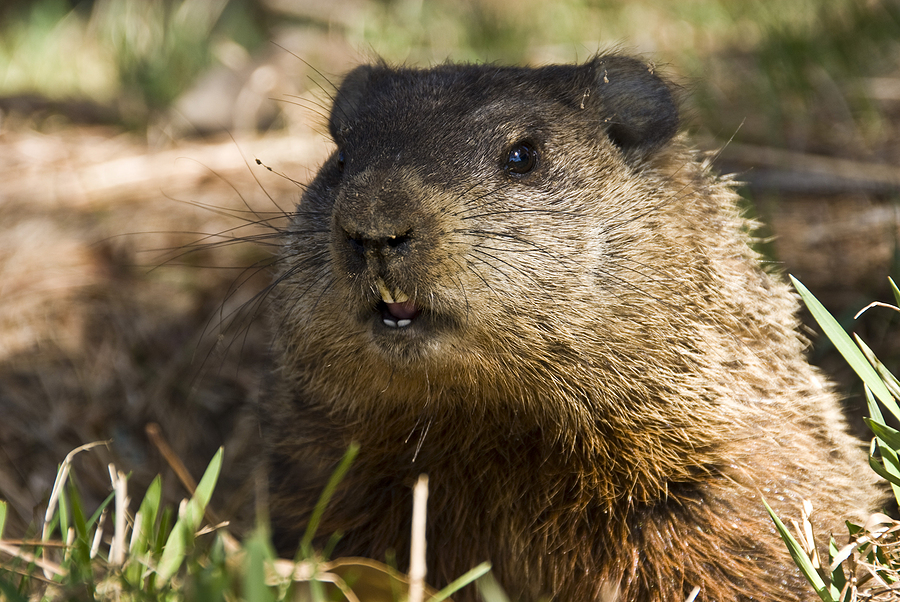
Woodchucks, also known as groundhogs, are found along the east coast of North America and in parts of Canada. They are part of the Marmota genus and have short tails, brown fur, seven vertebrae in their necks, and keystone-shaped ears. Woodchucks like to live in wooded areas near streams or wood edges where they can access their preferred food items of grasses, clover, alfalfa, and other vegetation.

They will often sleep during the colder months when their food supply is diminished. During this time, they enter a hibernation-like state that lowers their body temperature and heart rate significantly until spring when they emerge from their dens. Woodchucks can be entertaining to watch as they take turns standing guard atop mounds of dirt at the entrance to their dens while keeping an eye out for predators such as foxes and coyotes.

Top 3 Groundhog Signs and Solutions

Look for Woodchuck Burrows

Woodchucks will typically dig complex burrows with multiple entrances and exits. You can spot these by looking for mounds of dirt or patches of upturned grass. Woodchucks also use their burrows to hibernate during the winter months, so be sure to check the ground around your property for signs of burrowing activity.

Check Wooded Areas

Groundhogs prefer wooded areas where they can find plenty of food and shelter. If you have wooded areas on your property, it’s important to check them for signs of groundhog activity such as freshly dug holes or gnawed tree bark. Woodchucks will also take advantage of any woodpiles and other debris piles that are lying around your yard.

Watch Out for Woodchuck Signs

Woodchucks will leave behind signs of their presence, so it’s important to be on the lookout for things such as droppings, burrows and tunnels in the ground, gnawed tree bark and woodchuck tracks. Groundhogs will also leave behind unmistakable signs such as gnawed plants, upturned earth and chewed vegetation.

nuisance groundhog solutions

If you find any of these signs on your property, it’s a sure indication that you have a groundhog problem and need to take steps to control them. Woodchuck control in Indianapolis can involve trapping and removing the animals, as well as other measures such as fencing them out of your yard or using repellents and deterrents. Taking steps to control woodchucks on your property will help ensure that they don’t cause further damage and disruption.  By familiarizing yourself with how to identify problem woodchuck areas on your property, you can take the necessary steps to control pesky groundhogs and protect your yard.

If you have any more questions or need advice on woodchuck control, don’t hesitate to contact a pest control professional for assistance. Contact Modern Wildlife Control at 317-847-6409 for licensed and insured animal trapping and removal for woodchuck problems in Indianapolis, Indiana. Our animal removal trappers will be able to provide more specific guidance tailored to your particular wildlife control needs. We serve both residential and commercial clients!

Related Posts:

How to Solve Nuisance Groundhog Problem
Top Critter Control Tips for Nuisance Groundhogs
What to Do if You are Dealing With Muskrat Problems

How to Prevent Rabbits From Becoming a Nuisance

If you’ve been having problems with rabbits in your yard, you’re not alone. Rabbits can be a big nuisance, and they can cause a lot of damage. In this post, we’ll discuss how to get rid of rabbits and how to prevent them from becoming a problem in the first place.

For Licensed Rabbit Trappers in Indianapolis Indiana, Call 317-847-6409 Today!

The Common Signs That You Have a Rabbit Problem

Rabbits can cause a lot of damage to your yard and garden if they are not kept under control. Understanding the signs of a rabbit problem will help you to identify it early and take appropriate action. One of the first signs that you may have a rabbit problem is seeing tracks in your yard or garden. Rabbits can also leave behind droppings and damage plants. If you find large holes in the ground, these could be rabbit burrows. Other signs include rabbits eating your flowers or other plants.

The Damage That Nuisance Rabbits Can Do

Rabbits are small, cuddly-looking creatures that can cause immense amounts of damage to a property. They have been known to devastate entire gardens, as well as damage buildings and other structures. Rabbit populations can quickly get out of control, making them a major environmental pest.

Rabbits are voracious eaters and can consume large amounts of vegetation in a short amount of time. They also have very sharp incisors that enable them to gnaw through structures, including wooden fences and posts, tree trunks, wires, and even plastic piping. This can cause significant damage to property over time.

Rabbits are prolific breeders, meaning that they can quickly replenish their numbers. In some cases, a single pair of rabbits can produce over 200 offspring in just one year. This makes it difficult to control the population without human intervention.

In addition to their destructive feeding habits, rabbits also create burrows and tunnels under foundations, which can weaken them and cause structural damage. They can also dig up flower beds and wreak havoc on ornamental gardens.

How to Get Rid of Rabbits

There are a few different ways to successfully get rid of rabbits from your yard, garden, or other outdoor area. One way is to use fencing as a physical barrier to keep the rabbits out. Fencing should be at least 1-2 feet high, sunk several inches into the ground, and have an angled outward extension to prevent the rabbits from digging underneath it. Chicken wire is an effective option that is lightweight and easy to work with.

Another way to get rid of rabbits is to use natural repellents such as pepper spray, garlic or hot sauce mixtures, or predator urine like coyote or fox urine. These products can be sprayed on plants and around the perimeter of the garden to deter rabbits from entering.

If you have a persistent rabbit problem, another option is to trap the rabbits and then release them in a wildlife area away from your home. This is only recommended if your state and county laws permit. Be sure to check local laws and regulations before trapping and relocating any type of wildlife.

Nuisance Wildlife Prevention Tips

In order to prevent damage from rabbits, it is important to take proactive steps such as fencing gardens, removing any food sources that may be attracting the rabbits, and using humane methods of population control. Taking these measures can help protect a property from costly or irreparable damage.

In some areas, it is even necessary to contact an Indianapolis wildlife control company in order to ensure that the rabbit population is managed properly. Taking steps now can prevent major problems in the future. Contact Modern Wildlife Control at 317-847-6409 for licensed and insured animal trapping and removal for rabbits in Indianapolis, Indiana. We serve residential and commercial clients.

Related Posts:

How to Protect Your Garden From Rabbits This Fall
Top 4 Ways to Safely Get Rid of Rabbits
How to Bait and Trap Rabbits

Top Signs You Have a Yard Mole Problem

Are you fed up with moles wreaking havoc in your yard? If so, you’re not alone. Nuisance moles can be a huge problem for homeowners and can cause damage to the lawn and landscape. Unfortunately, controlling these pesky critters is no easy task either!

Continue below to learn how to spot the signs of a yard mole problem, plus what you can do to get rid of moles for good!

Call 317-847-6409  for Lawn Mole Removal in Indianapolis, Indiana!
Call 317-847-6409 for Lawn Mole Removal in Indianapolis, Indiana!

Facts About Lawn Moles

Moles are small mammals that live underground and feed on worms, grubs, and other insects. They have distinctive star-shaped footprints and move quickly through the soil. Moles dig extensive tunnel systems beneath lawns, which can cause significant damage to the grass and plants above ground. These tunnels form mounds of dirt that are unsightly and can make walking or mowing a lawn difficult.

Signs of Moles in the Lawn

Moles are one of the most common backyard pests, and they can cause quite a bit of damage to your yard. If you notice that your grass is being ripped up or tunnels in the ground, then it’s likely that there’s a mole living under your lawn.

Here are some of the top signs of a mole problem on your property:

▶ Tunnels and Mounds: Moles dig tunnels under your lawn, which can be seen as mounds along the surface or small ridges with patches of raised soil. These tunnels are usually about 2-4 inches wide and may have grass growing on top of them.

Dead Grass Patches: Another sign of a mole problem is dead grass patches. Moles can feed on the roots of grass, causing it to die or appear unhealthy due to lack of water or nutrients.

Insects and Worms: Moles feed on small insects such as worms, grubs, and even centipedes. If you find an unusually large amount of these creatures on your property , then there’s a good chance that they are being attracted by the mole living underneath.

Noises: Moles also make noise as they tunnel under the ground, which can be heard as a light tapping sound or squeaking noises. If you hear this kind of noise coming from your premises, then you may have a mole problem.

Yard Mole Control Tips

If you suspect that you have a mole problem in your yard, it’s important to take steps to get rid of them quickly. Moles can cause extensive damage to your lawn and garden, so it’s important to act fast. You can use traps or poisons to get rid of moles in your yard, but it’s best to contact an Indianapolis wildlife control company if the issue persists.

The best way to reduce mole damage is to make your property less attractive to them in the first place. Start by removing potential food sources—such as grubs, worms, and other insects—from the soil. You can also try using a variety of repellents, like castor oil or peppermint oil, to make the yard less appealing. If these tactics don’t work, it may be time to consider trapping or baiting moles in order to get rid of them.

Mole removal and control can be tricky and requires patience and persistence. Ultimately, it is important to remember that it is not possible to completely eliminate moles from your yard. However, with the right strategies, you can reduce their destructive behavior and keep your lawn looking its best.

How to Get Rid of Moles in Indiana

If nuisance moles are proving to be a problem in your lawn or garden, don’t despair! Take action now to protect your landscape and make sure that these pesky critters stay away for good. Don’t let those moles ruin your perfectly manicured lawn—take charge of the situation today and get rid of the nuisance once and for all!

Are you ready to take on nuisance moles? Don’t delay any longer—start fighting back against these pesky critters now! Contact Modern Wildlife Control at 317-847-6409 for safe and effective animal trapping and removal services for yard moles in Indianapolis, Indiana and its surrounding counties. We serve residential and commercial customers.

Related Posts:

How to Manage Yard Mole Removal and Control Season
Are Moles and Voles the Same Animal?
How to Tell if You Have Nuisance Animal Problems