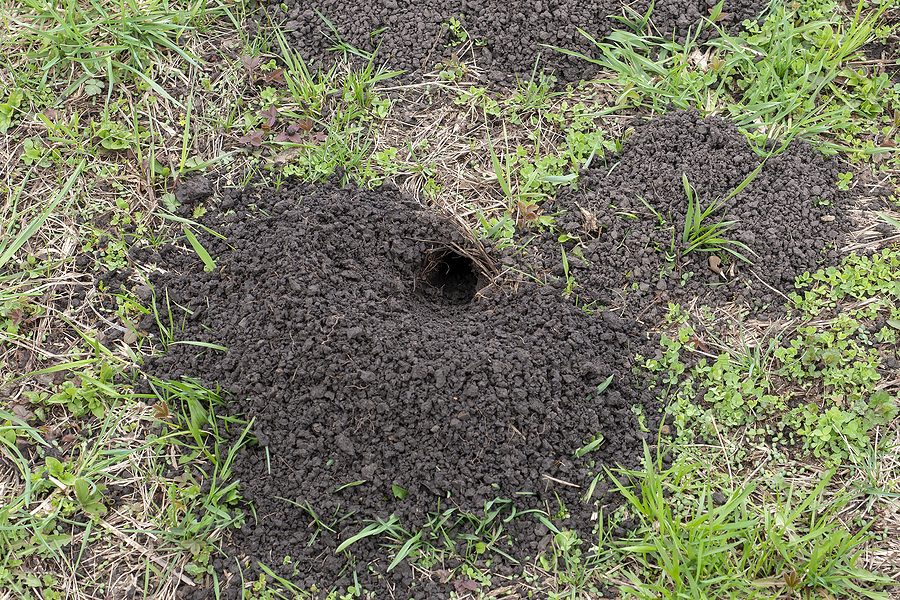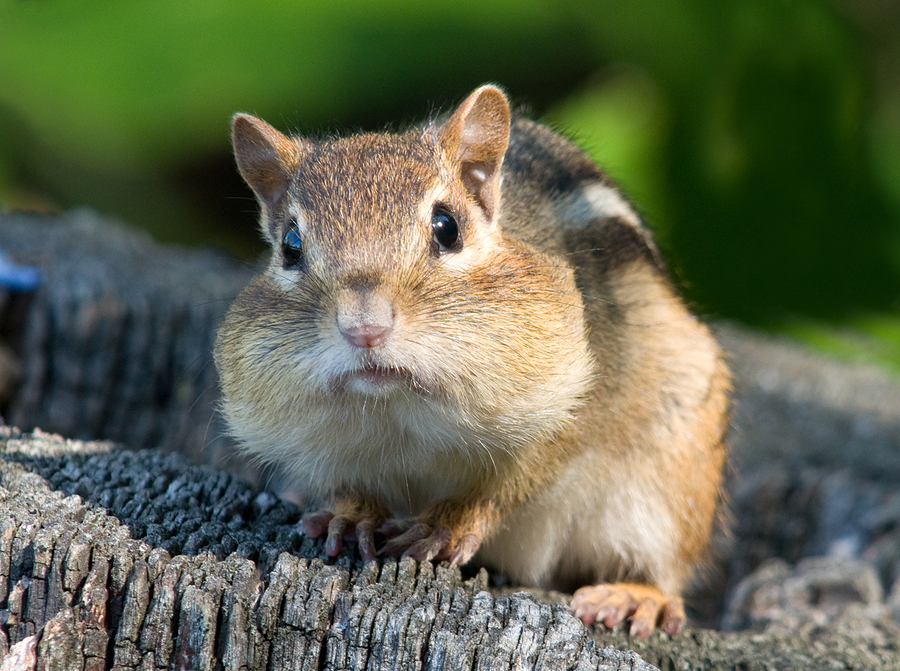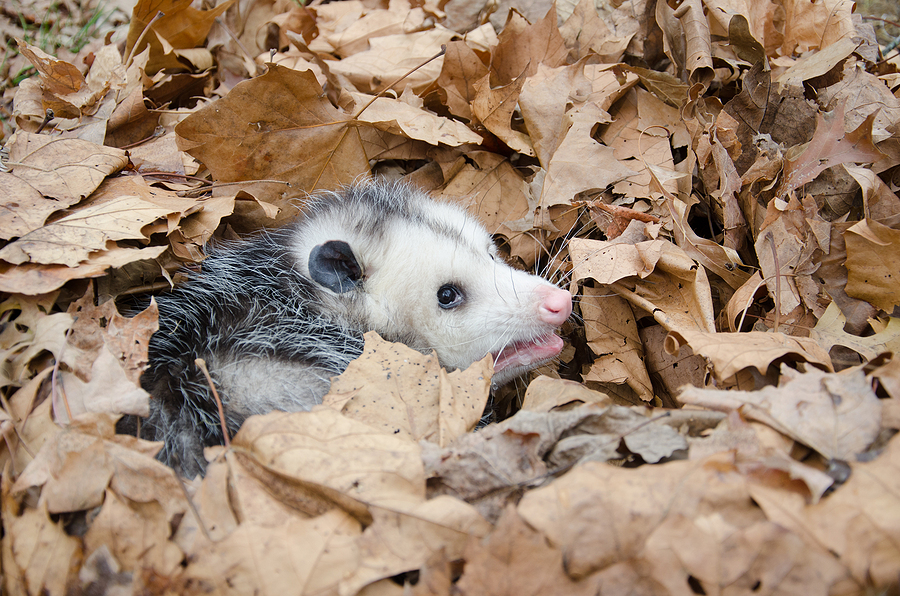
The Ultimate Guide to Muskrat Control: Protecting Your Property

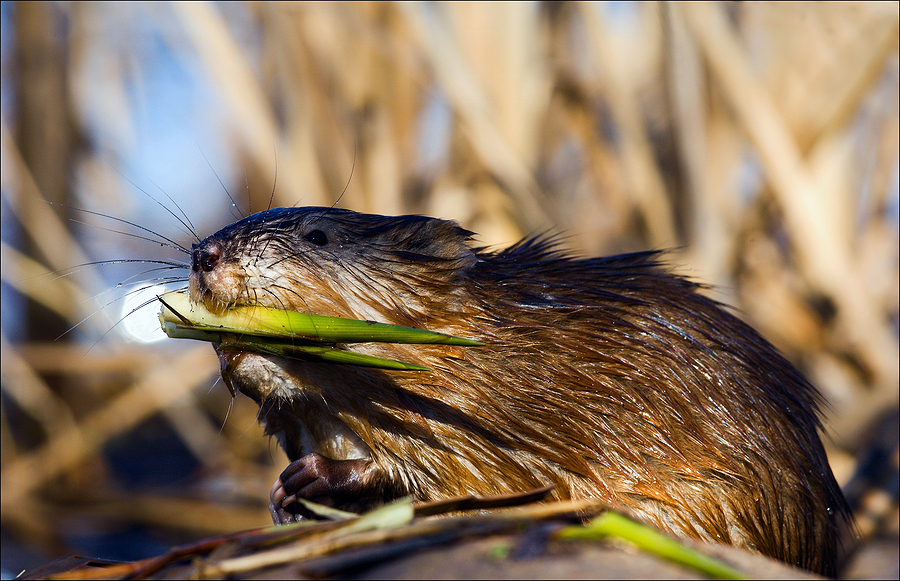
If your property has become a habitat for muskrats, it’s essential to understand their behavior, diet, and control techniques. These semi-aquatic rodents are known to burrow in marshlands and ponds, often causing significant damage to your property. They feed mostly on aquatic vegetation, fruits, and occasionally small aquatic creatures.

Controlling the muskrat population on your property involves several strategies from using muskrat repellents to setting up muskrat traps. However, it’s important to remember that these traps should only be handled by trained wildlife control operators to ensure safety and effectiveness. Stay tuned as we delve deeper into each of these aspects.

Call 317-847-6409  for Licensed Muskrat Control in Indianapolis Indiana
Call 317-847-6409 for Licensed Muskrat Control in Indianapolis Indiana

Understanding Muskrat Habitat and Diet

Muskrats are found in wetlands, rivers, lakes, and streams. They are excellent swimmers and can hold their breath for up to 20 minutes underwater. These abilities make them well-adapted to their semi-aquatic lifestyle. They build lodges from vegetation near the water’s edge or dig burrows in the banks for shelter. Muskrats are most active at night and can be identified by their distinctive tracks, typically leading to the water’s edge.

As mentioned earlier, muskrats primarily feed on aquatic vegetation such as cattails, sedges, and water lilies. They also consume fruits like apples, berries, and grains if available. While they may occasionally eat small fish, insects, and crustaceans, these make up a small portion of their diet. This knowledge is crucial in understanding how to control muskrats effectively.

Muskrat Control Techniques:

Animal Repellents

Controlling nuisance muskrats on your property can be challenging due to their habitat and feeding preferences. Using animal repellents can be an effective way to deter them from your property. Muskrat repellents can come in the form of sprays, granules, or electronic devices that emit ultrasonic sounds. These methods are typically safe for the environment and non-toxic to other animals.

Muskrat Traps

If muskrats have already taken up residence on your property, trapping may be necessary. It’s essential to use live traps rather than lethal ones to minimize harm to the animal. Remember, muskrat traps should only be handled by trained wildlife control operators for safety and ethical reasons.

Environmental Modification

Another effective method is habitat modification. You can make your property less attractive to muskrats by removing their food sources and blocking or filling any burrows or lodges they may have built. This approach requires regular maintenance, but it can be a long-term solution.

Muskrat vs Beaver

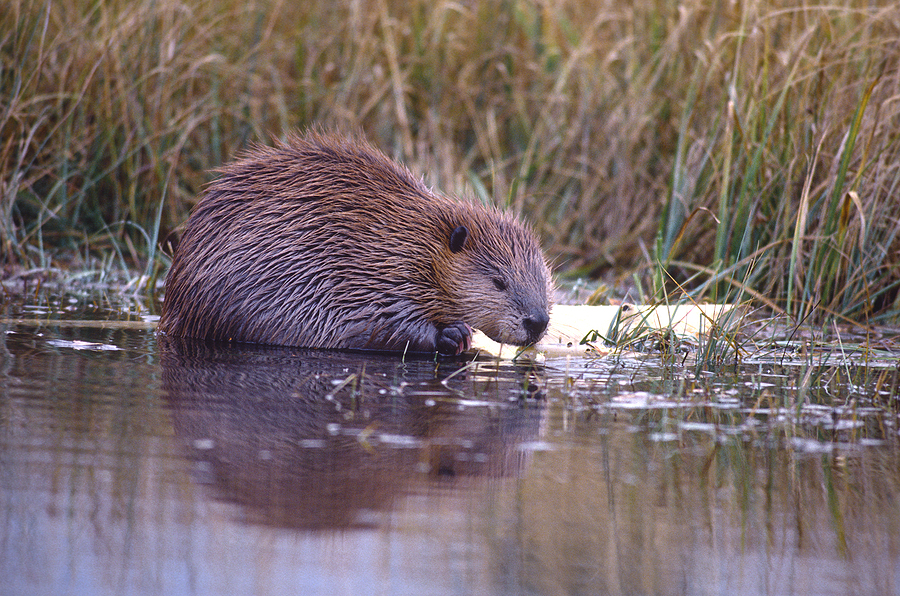
Many people confuse muskrats for beavers and vice versa.  While they both live in water and have similar physical features, there are some key differences between the two. Muskrats are much smaller than beavers, reaching up to two feet in length, while beavers can grow up to four feet. Beavers also have a flat paddle-like tail, whereas muskrats have a long, skinny tail that tapers towards the end. Additionally, beavers build large dams and lodges using trees and branches, while muskrats build smaller structures from vegetation.

If you are having trouble with beavers,  it’s best to contact a wildlife control operator as they require specialized techniques and tools for removal.

Conclusion

Muskrats may seem like harmless creatures, but their burrowing and feeding habits can cause significant damage to your property. Understanding their behavior, habitat, and diet is the first step in controlling their population. Using repellents, live traps, or modifying their habitat are all viable options for muskrat control. However, it’s essential to seek professional help from trained wildlife control operators when using traps. By following these techniques, you can protect your property and maintain a balance with nature. 

If you’re struggling with muskrats on your property, act now. Contact Modern Wildlife Control at 317-847-6409 for licensed and insured muskrat removal services in Indianapolis, Indiana. We serve residential and commercial clients.

Related Posts:

Important Facts About Muskrat Removal and Control
How to Get Rid of Muskrats
What You Should Know about Muskrats Before Trying to Remove Them Yourself

A Homeowner’s Guide to Controlling Opossums Effectively

Welcome to our comprehensive guide on controlling opossums effectively, designed primarily for homeowners who seek humane and efficient solutions. This blog aims to provide you with practical steps and methods for opossum removal and control. Here, we will introduce you to various opossum repellents and elucidate their effective use.

By the end of this guide, you will be well-equipped to handle the opossum issue on your property with confidence and knowledge. Whether you’re dealing with a nocturnal visit from a single opossum or a whole family, stay tuned to learn how to take back your space wisely.

Call 317-847-6409  For Opossum Removal Service in Indianapolis Indiana
Call 317-847-6409 For Opossum Removal Service in Indianapolis Indiana

The 101 on Getting Rid of Opossums

Before we delve into controlling these marsupials, it’s essential to understand their behavior and habits. Opossums are opportunistic creatures that often take advantage of food sources near human dwellings. With a diet ranging from insects to garbage, opossums are attracted to homes with easy access to food and shelter. The presence of an opossum in your yard or attic could cause damage to plants and property.

Additionally, they can also carry diseases that pose a threat to both humans and pets. Although opossums are not well known to carry Rabies, they can contract and spread other diseases and parasites to people and pets, such as ticks, fleas, and roundworms. Therefore, it’s crucial to take steps for opossum control once you spot them on your property.

Opossum Removal

The first step towards controlling opossums is eliminating whatever it is that attracts them. Regularly secure all garbage cans and remove fallen fruits and nuts from the ground. Keep your lawn trimmed, and any potential entry points, such as holes in fences or gaps in walls, should be sealed off.

If you discover an opossum den on your property, the best approach is to seek professional help. Opossums can be aggressive when cornered, and attempting to remove them yourself could result in injury. Wildlife experts have the experience and equipment to remove opossums safely and humanely.

Opossum Control

If you’re dealing with a recurring opossum problem, consider using repellents to deter them. There are various natural and commercial opossum repellents available on the market. Some common ones include predator urine, ammonia-soaked rags, or cayenne pepper spray. These repellents work by creating a scent or taste that opossums find unpleasant, causing them to avoid the area.

It’s essential to follow the instructions carefully when using any repellent, as some may be harmful to humans and pets if not used correctly. Additionally, remember that repellents are only effective for short periods and need regular reapplication.

When to Hire a Licensed Wildlife Control Company for Help

If you’ve tried various control methods, but the opossums keep coming back, it may be time to call in the professionals. A licensed and insured wildlife control company can help identify and seal off any potential entry points into your home or property, preventing future opossum infestations. They can also provide long-term solutions for deterring opossums from your yard, such as installing motion-activated sprinklers or ultrasonic devices.

Conclusion

In conclusion, controlling opossums effectively requires a combination of prevention, removal, and deterrence methods. By taking the necessary steps to eliminate potential attractants and using repellents correctly, you can successfully keep opossums away from your property. And if all else fails, don’t hesitate to seek professional help for a long-term solution. Remember, by practicing humane and responsible opossum control, you’re not only protecting yourself and your property but also these misunderstood creatures.  So, be vigilant and take the necessary steps to keep your home critter-free.

Keep in mind that removing opossums is only half the battle; it’s also crucial to take steps to prevent future infestations. Contact Modern Wildlife Control at 317-847-6409 for safe and effective animal trapping and removal services for opossums in Indianapolis, Indiana and its surrounding counties. We serve residential and commercial customers.

Related Posts:

Tips for Controlling Nuisance Opossums Around Your Property
Understanding the Behavior of Opossums in the Wild
Best Strategies to Get Rid of Opossums Around Your Property

Winterizing Your Home Against Unwanted Critters in Indiana

Today marks the first day of winter in Indiana, and it’s not just the humans who are looking for a warm refuge – nuisance animals are too. They might seem harmless, but these unwanted critters can wreak havoc on your property. Raccoons, mice, squirrels, and other creatures may seek warmth and shelter within your walls, causing structural damage and health risks. But fear not!

This blog post will guide you through the essential steps of winterizing your home against unwelcome wildlife. We will delve into effective animal-proofing techniques and explore professional wildlife control solutions. So, buckle up and prepare to reclaim your space this winter!

Call 317-847-6409  for Licensed Animal Proofing Service in Indianapolis Indiana
Call 317-847-6409 for Licensed Animal Proofing Service in Indianapolis Indiana

Animal Proofing Your Home

The first line of defense against unwanted critters is to animal proof your home. This involves assessing and fortifying potential entry points and eliminating any attractants in your yard. Here are a few tips for animal proofing:

Inspect the exterior. Walk around the perimeter of your house and look for any openings that could serve as access points for wildlife. Check for gaps in siding, holes in the roof, or cracks in the foundation. Also, make sure your chimney and vents are securely covered with mesh screens.

Seal small openings. Even a tiny crack can provide entry for mice and other small animals. Use caulk or steel wool to seal any openings you find on your exterior walls.

Secure trashcans. Raccoons and other animals are always on the lookout for food sources, so make sure your trash cans have tight-fitting lids. Consider investing in animal-proof containers or storing bins in a secure shed.

Eliminate potential nesting sites. Keep your yard tidy by removing any piles of leaves, wood, or debris that could serve as a cozy hiding spot for animals.

Prune trees and shrubs. Trim branches that hang close to your house, as they can provide easy access for squirrels and other climbing critters.

By implementing these simple measures, you can greatly reduce the chances of wildlife finding their way into your home.

Professional Wildlife Control

If you’re dealing with a persistent or more significant wildlife problem, it may be time to call in the professionals. Wildlife control experts have the knowledge and tools to safely and humanely remove animals from your property. They also offer preventative measures to ensure that critters don’t return in the future. Here are some services they may provide:

Inspection: A professional will thoroughly inspect your home, identify potential entry points, and determine the severity of your infestation.

Removal: Using humane techniques, they will remove any wildlife from your home and relocate them to a suitable habitat.

Exclusion: To prevent future infestations, professionals can install barriers and exclusion devices to keep animals out of your home.

Cleanup and Sanitation: If animals have been living in your home, professionals can clean and sanitize the affected areas to eliminate any health risks.

Consultation: Wildlife control experts can offer advice on how to animal-proof your home and make recommendations for keeping critters away.

Winterizing Tips for Specific Animals

Different types of animals may require different strategies for weatherization in winter. Here are some tips for dealing with specific nuisance species in Indiana:

Raccoons: Raccoons are clever critters that are known for their ability to find their way into homes. Make sure all exterior openings, including chimneys, are tightly sealed. Also, secure your garbage cans and don’t leave pet food outside.

Mice: These tiny rodents can squeeze through even the smallest of openings. Seal all cracks and gaps in your home’s exterior and keep food stored in airtight containers.

Squirrels: Squirrels are agile climbers, so they can easily access your roof through overhanging tree branches. Keep trees trimmed back from your house and use metal flashing to block any openings around the roof line.

Bats: To prevent bats from roosting in your attic, install mesh screens over vents and seal any gaps in your roof line.

Remember, when dealing with wildlife, it’s always best to consult with a professional wildlife removal and control company before attempting any DIY measures. They have the expertise to handle animals safely and effectively.

Bottom Line

Winterizing your home against unwanted critters is an essential step in protecting your property and ensuring the safety of you and your family. By following these tips and enlisting the help of professionals when needed, you can prevent animal infestations and enjoy a peaceful winter season in Indiana. Don’t let these pesky critters ruin your holiday spirit – take action now to animal-proof your home!  So, bundle up, grab some hot cocoa, and get started on preparing your home for a critter-free winter.

Do you deal with nuisance animal problems every winter? Contact Modern Wildlife Control at 317-847-6409 for safe and effective animal proofing and removal services for all types of wildlife in Indianapolis, Indiana and its surrounding counties. We serve residential and commercial customers.

Related Posts:

4 Nuisance Animals to Watch Out For in Winter
Indiana’s Wildlife Problems: How They Affect the Environment and Communities
11 Tips for Humanely Controlling Indiana Wildlife

The Beaver’s Impact: Water Quality and Wildlife Habitats

Beavers, often referred to as nature’s engineers, play a significant role in shaping our waterways and creating rich habitats for a myriad of wildlife species. Their tireless dam-building activities are not just a marvel of natural engineering, but they also have profound implications for water quality and biodiversity. As beavers go about their routine, they inadvertently lay the groundwork for an ecological oasis. However, beaver activity is not without its challenges, posing specific control considerations.

This blog post will delve into the world of these industrious creatures, exploring both the positive and negative impacts they have on water quality and wildlife habitats. Let’s dive into the fascinating world of beavers and their far-reaching effects on our environment.

Call 317-847-6409  for Beaver Control Service in Indianapolis Indiana
Call 317-847-6409 for Beaver Control Service in Indianapolis Indiana

Building Dams and Creating Wetlands

Beavers are renowned for their ability to construct dams, which serve as crucial barriers in controlling water flow. These structures create ponds and wetlands, altering the landscape significantly. The resulting habitats are a hotspot for biodiversity, attracting various species of amphibians, birds, mammals, and insects. Waterfowl such as ducks and geese thrive in these wetlands, making them ideal breeding grounds and providing an important food source for other animals.

The pools of water created by beaver dams also act as a natural filtration system, trapping sediment and pollutants that would otherwise enter downstream water bodies. As the beavers continue to build and maintain their structures, they create a complex network of channels and ponds that slow down the flow of water, allowing it to percolate into the ground. This process helps replenish groundwater reserves, which are crucial for sustaining both plant and animal life.

Challenges Posed by Beaver Activity

While beavers’ influence on creating diverse habitats is undeniable, their activities can also pose challenges for human communities. The dams they build may cause flooding in nearby areas, especially during heavy rains or snowmelt. This can lead to damage to infrastructure, such as roads and buildings, and create safety hazards for people living in these areas.

Moreover, the altered water flow caused by beaver dams can have adverse effects on fish populations by preventing their migration and disrupting their natural breeding patterns. For commercial fisheries, this can have significant economic ramifications. In agricultural regions, beaver dams may also contribute to waterlogging, hindering crop growth and productivity.

Managing Beaver Populations

With the growing recognition of beavers’ positive impact on water quality and wildlife habitats, there is a movement towards more sustainable ways of managing their populations. Instead of resorting to trapping or killing these animals, communities are exploring non-lethal methods of beaver control, such as installing flow devices that regulate water levels and prevent flooding. They are also utilizing animal repellents and professional wildlife control service.

Educating the public about the beneficial role of beavers in creating and maintaining healthy ecosystems is also crucial. By understanding their impact, people can learn to coexist with these animals and find ways to mitigate any negative effects they may have on human activities.

Final Thoughts

From creating wetlands to filtering pollutants, beavers have a significant impact on water quality and wildlife habitats. While their activities may present challenges for human communities, there are ways to manage their populations more sustainably. As we continue to learn about these remarkable creatures, it is essential to find a balance that allows us to appreciate their contributions while mitigating any potential conflicts with human development. After all, the beaver’s impact on our environment is a vital reminder of the interconnection of all living beings and the importance of preserving our natural world. 

If you have a problem with nuisance beavers, the best solution is to hire a professional critter control service. So, contact Modern Wildlife Control at 317-847-6409 for safe and effective animal trapping and removal services for all types of wildlife in Indiana, including beavers and similar aquatic critters. We serve residential and commercial clients.

Related Posts:

How to Safely Remove Beavers from Your Property
Will Beaver Dams Damage a Property?
Beaver Removal and Control Tips for Indiana Residents

Beyond the Noise: Understanding and Managing Nuisance Birds

When the chirping of birds turns from a sweet symphony to an irritating racket, it’s time to address the issue of nuisance birds. These feathered creatures may seem harmless, but their presence can disrupt daily life and cause property damage. In this blog post, we will explore the importance of understanding and managing nuisance birds, and provide effective solutions for bird control.

Call 317-847-6409  For Safe & Humane Bird Control in Indianapolis Indiana
Call 317-847-6409 For Safe & Humane Bird Control in Indianapolis Indiana

The Impact of Nuisance Birds

Birds are an integral part of our ecosystem and play a vital role in maintaining balance in nature. However, when they become a nuisance, their presence can have severe consequences. Nuisance birds can cause damage to crops and buildings, create unsanitary conditions with their droppings, and spread diseases through their feathers and feces. Additionally, their loud calls and constant activity can disrupt sleep and concentration for humans.

Common Types of Nuisance Birds in the Midwest

Before we can effectively manage nuisance birds, it’s essential to understand their behavior and habits. Different species of birds exhibit varying levels of aggression and damage-causing tendencies. For example, Red-winged blackbirds are known for their aggressive and territorial behavior towards humans, while pigeons are notorious for causing damage with their droppings. Birds also have specific roosting and nesting preferences, which can influence their presence in certain areas. Understanding these preferences can help in implementing bird control measures.

Pigeons

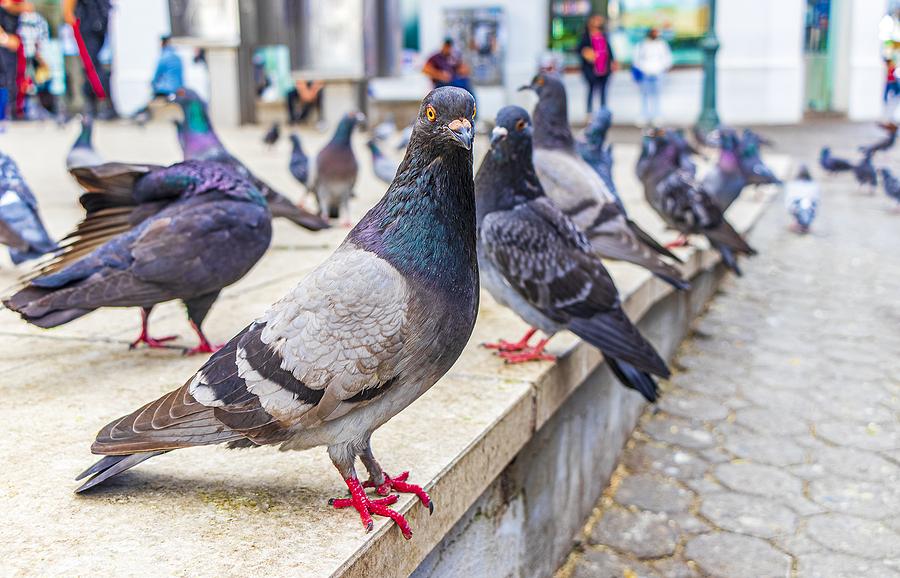
Pigeons are one of the most common nuisance birds in the Midwest. They are found in both urban and rural areas, and their presence can be a nuisance due to their messiness and loud cooing. Pigeons often nest in attics, under eaves, or in other sheltered areas. They can also damage buildings with their droppings, which contain high levels of uric acid that can corrode metal and stone surfaces.

Starlings

Starlings are another common nuisance bird found in the Midwest. They are highly social birds that often form large flocks that can become quite noisy when disturbed. Starlings often nest in cavities such as tree hollows or building eaves, and they can cause considerable damage to buildings with their droppings. They also compete with native cavity-nesting birds for nesting sites, which can have a negative impact on local biodiversity.

House Sparrows

House sparrows are small passerine birds that are native to Europe but have been introduced to many parts of the world, including the Midwest United States. They prefer to nest near human habitation, making them a common nuisance around homes and businesses. House sparrows often build nests in gutters or vents, which can clog with debris and lead to water damage if left unchecked.

Grackles

Grackles are large blackbirds found throughout much of North America, including the Midwest United States. They often form large flocks that can become quite noisy when disturbed, making them a nuisance for people living nearby. Grackles typically feed on insects but will also eat grain from bird feeders or crops from fields if given the opportunity. Their presence near farms can be particularly damaging due to their tendency to consume large amounts of grain or other crops they find attractive.

Crows

Crows are large blackbirds found throughout much of North America, including the Midwest United States. Like grackles, crows often form large flocks that can become quite noisy when disturbed and will consume grain from bird feeders or crops from fields if given the opportunity. In addition to being a nuisance due to their noise and messiness, crows may also pose a threat to smaller native species by competing for food sources or preying on eggs or young birds.

Mourning Doves

Mourning doves are small grayish-brown birds found throughout much of North America, including the Midwest United States. While they typically do not cause any significant damage like some other nuisance birds may do, they may become a nuisance due to their loud cooing during breeding season or if they build nests near human habitation where they may be seen as an eyesore by some people.

Bird Proofing and Control

The most effective way to manage nuisance birds is through prevention. By creating an environment that is unattractive for birds, we can discourage them from roosting or nesting on our property. Installing deterrents such as bird spikes, netting, and electrical shock systems can be effective in keeping birds away.

Another preventative measure is bird repellent, which can include visual and auditory deterrents. These methods use devices that emit sounds or reflect light, making it unpleasant for birds to stay in the area. In cases where prevention is not possible, such as with migratory birds, humane trapping and relocation may be necessary. It’s essential to consult with professionals in bird control and follow regulations when implementing these measures.

The Importance of Professional Bird Control

While there are many DIY solutions available for managing nuisance birds, it’s crucial to seek professional wildlife removal and control assistance. Improper installation or use of deterrents can harm the birds, and relocation without proper planning can result in further issues. Professional bird control operators have the knowledge and experience to effectively manage and abate nuisance birds while adhering to ethical and legal standards.

Conclusion

Nuisance birds may seem like a minor inconvenience, but their presence can have significant impacts. Understanding their behavior and implementing effective bird control measures is essential in managing these feathered creatures. By seeking professional help and taking preventative measures, we can create a peaceful coexistence with birds without the disruption and damage they can cause. So the next time you hear the noisy chatter of birds, remember that with proper management, we can go beyond the noise and live in harmony with these beautiful creatures.

For more information about nuisance bird abatement in Indiana, trust our wildlife removal professionals. Contact Modern Wildlife Control at 317-847-6409 for licensed and insured bird removal and control in Indianapolis, Indiana. Our animal removal and control services are humane, effective, and available for both residential and commercial clients.

Related Posts:

What You Should Do if You Have Birds in the Chimney
Top 5 Strategies for Bird Removal and Control
How to Protect Bird Feeders From Hungry Squirrels

Indiana’s Wildlife Problems: How They Affect the Environment and Communities

Indiana, a state known for its diverse ecology, is home to a wide array of wildlife species. However, their co-existence with human communities often leads to complex challenges. Wildlife control and removal become a necessity when these creatures become a nuisance or pose a threat to the environment and communities.

This blog post delves into these issues, exploring the environmental and communal implications of wildlife problems in Indiana and examining viable solutions that strike a balance between human welfare and wildlife conservation. Stay with us as we navigate through these intricate environmental dynamics.

Call 317-847-6409 for Licensed Wildlife Control in Indianapolis IN

Indiana’s Wildlife: A Rich Biodiversity

Indiana boasts a rich and diverse wildlife population, housing over 270 species of mammals, birds, reptiles, and amphibians. The state has an abundance of forests, wetlands, lakes, and rivers that provide an ideal habitat for these creatures. Among the most notable are white-tailed deer, raccoons, squirrels, opossums, and rabbits. The state is also home to several protected species, such as bald eagles, wild turkeys, and Indiana bats. However, this biodiversity also poses unique challenges for co-existence with human communities.

The Environmental Impact of Wildlife Problems

The encroachment of human settlements into natural habitats has led to increased interactions between humans and wildlife. This, in turn, has resulted in various environmental challenges. One significant issue is the disruption of natural ecosystems by invasive species. These are non-native animals that thrive in their new environment at the expense of native species. In Indiana, the most prevalent invasive species include feral pigs, European starlings, and mute swans.

Moreover, as urbanization continues to expand, wildlife struggles to find suitable habitats, leading to competition for resources. This leads to a decline in population numbers and even the extinction of some species. The loss of biodiversity can have severe consequences on the environment, disrupting natural processes such as pollination, seed dispersal, and pest control.

Wildlife Problems and Human Communities

Nuisance animal problems also have a significant impact on human communities. One of the most pressing concerns is public safety. As wildlife populations increase, so do encounters between them and humans. This can be especially problematic when dealing with potentially dangerous animals such as bears, coyotes, or even venomous snakes.

Another issue is property damage caused by wildlife. Squirrels and raccoons are known to cause damage to homes and gardens, while deer and geese can damage crops. This not only leads to financial losses for homeowners and farmers but also disrupts the balance of ecosystems.

Moreover, nuisance wildlife problems can have negative effects on human health. Raccoons, bats, and skunks are known carriers of diseases that can be transmitted to humans through bites or contact with their feces. Additionally, the presence of wildlife can attract other pests, such as ticks and fleas, which can also pose health risks.

Finding Solutions: Wildlife Removal and Control

To address these challenges, it is crucial to find solutions that mitigate the negative impacts of wildlife while promoting coexistence. One approach is wildlife removal, where trained professionals trap and relocate animals causing problems. This method ensures the safety of both humans and animals, as well as prevents harm to the environment.

Another solution is implementing wildlife control measures, such as installing deterrents or modifying habitats to make them less attractive for certain species. For example, using fencing to keep out deer or placing screens on chimneys to prevent raccoons from entering homes.

Furthermore, education and awareness play a crucial role in minimizing wildlife problems. By understanding how to coexist with wildlife and taking preventative measures, individuals can reduce potential conflicts.

The Takeaway

Indiana’s diverse wildlife population enriches the state’s environment and communities. However, it also presents unique challenges that require careful considerations and solutions. By addressing these issues proactively through methods such as wildlife removal, control, and education, we can promote responsible coexistence and protect the environment for future generations. Let’s work together to find a balance between human needs and wildlife conservation in Indiana.

If you are dealing with nuisance animals on or around your property, act now before the damages can pile up. Contact Modern Wildlife Control at 317-847-6409 for prompt and professional 24 hour critter control in Indianapolis, Indiana for moles, beavers, bats, raccoons, squirrels, birds, and more.

Related Posts:

11 Tips for Humanely Controlling Indiana Wildlife
How to Tell if You Have Nuisance Animal Problems
Where Do Animals Go in the Winter in Indiana?

Animal Control Tips for Moles on the Golf Course

Moles on golf courses can turn the greens into a bumpy obstacle course, hampering game-play and ruining the aesthetic appeal. Managing these small yet destructive creatures requires a delicate mix of knowledge, patience, and effective mole control strategies. This blog post discusses some key insights and tips for successful golf course mole control. Whether you’re a golf course manager, a greens keeper, or just a golfer tired of these pesky intruders, these animal mole removal tips will help you keep the fairways smooth and mole-free.

Call 317-847-6409  for Licensed Golf Course Mole Control in Indianapolis
Call 317-847-6409 for Licensed Golf Course Mole Control in Indianapolis

Identify the Impact of Moles on Golf Courses

Before beginning any mole removal efforts, it’s important to understand the damage they can cause. Moles are burrowing creatures that dig tunnels and create mounds of soil above their nests. When these mounds cover a golf course’s greens, it leads to uneven surfaces and potential safety hazards for golfers. Moles also tend to consume the grass and other vegetation, leaving behind barren patches of dead turf.

Choose the Right Mole Control Strategy

There are several different methods you can use to get rid of moles on a golf course. These include trapping, repelling, and killing with poisons or other toxins.

Mole Trapping – Traps are generally considered the most humane option, but they can only be placed and managed by licensed wildlife control operators.

Mole Repellent – Repellents can help keep moles away from your golf course, but they won’t necessarily get rid of them altogether. Common ingredients used include castor oil, garlic, and certain plants, like marigolds and geraniums.

Mole Poison – Baiting with poison is a possible solution but it involves a high risk to other wildlife or humans who come into contact with the poison. Mole poisons, or any wildlife poisons, are not recommended for use on residential and commercial properties.

Make Use of Natural Barriers

The best way to keep moles off a golf course is by keeping them out in the first place. Installing barriers made from steel mesh, plastic netting, or other materials can help prevent moles from getting close enough to dig their tunnels and create mounds of soil on your greens. Additionally, these barriers can also help keep out other burrowing animals such as voles and gophers that might be attracted to the same areas.

Maintenance Tips for Golf Courses

Regular maintenance of a golf course is essential for successful mole removal. This includes mowing the grass at regular intervals, dealing with any drainage issues, and ensuring that the turf is fertilized and aerated on schedule. These tasks help create a healthy environment for grass growth, making it difficult for moles to set up tunnels and find food sources.

Repairing molehills and mole tunneling is another possibility.  You can do this by gently filling in the mounds and tunnels with soil and lightly compacting them. This helps keep the surface of your greens even, preventing potential safety hazards for golfers.

What to Do if You Spot a Mole on a Golf Course

If you spot a mole on the golf course, it’s important to act quickly. Contact a professional wildlife control service in Indianapolis as soon as possible and they will be able to take the necessary steps for safe and humane yard mole removal.

Final Thoughts

Mole control on golf courses can be a tricky task, but with a combination of good maintenance practices and effective animal removal strategies, you can make sure your fairways remain smooth and playable. The key is to identify the damage caused by moles and choose the best control method for your particular situation. With a bit of patience and persistence, you can keep these pesky animals off your greens and out of sight.

Hopefully this blog has given you the information you need to keep your golf course mole-free! If not, we can help. Contact Modern Wildlife Control at 317-847-6409 for licensed and insured animal mole removal services in Indianapolis, Indiana. Our animal removal trappers will be able to provide more specific guidance tailored to your particular wildlife control needs. We serve both residential and commercial clients!

Related Posts:

Unearthing the Secret: Effective Strategies for Yard Mole Control
Top 3 Methods to Get Rid of Moles in the Yard
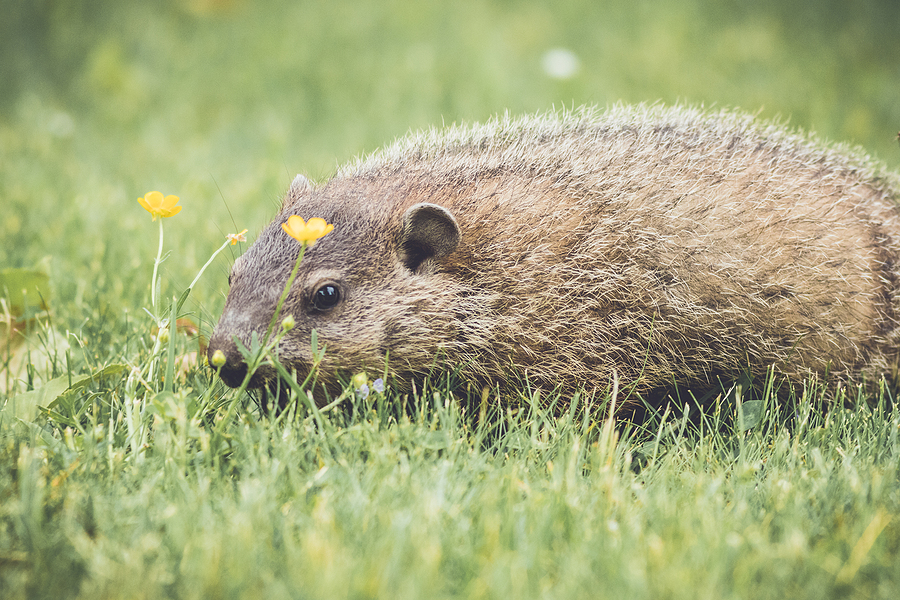
Are Moles and Voles the Same Animal?

Raccoon Removal 101: Your Essential Guide

When it comes to sharing your home, raccoons are probably the last guests you’d want. Known for their curiosity and dexterity, these midnight marauders can wreak havoc, particularly if they decide that your attic is their new abode.

This guide to raccoon removal is your go-to resource for understanding and managing these intruders. We will take a deep dive into effective raccoon control methods, how to deal with raccoons in the attic and ensure they don’t return. Let’s reclaim your peace and safety! 

Call 317-847-6409  for Raccoon Removal Near Indianapolis IN
Call 317-847-6409 for Raccoon Removal Near Indianapolis IN

The Common Raccoon

The Common Raccoon, scientifically known as Procyon Lotor, is a highly adaptable mammal found predominantly in North America. Known for their characteristic black mask and ringed tail, raccoons are omnivorous, ingesting a diet that includes fruits, plants, insects, and small animals. They are renowned for their intelligence and problem-solving abilities, which often lead them to urban areas in search of food. While their curious nature and dexterity may cause a few headaches for homeowners, there’s no denying the ingenuity and adaptability of the Common raccoon.

Identifying Raccoon Activity

The first step to getting rid of raccoons is knowing whether they’re even present. Once you confirm raccoon activity, then you can take the necessary steps to remove them and clean up any messes they may have left behind. Here are a few telltale signs that raccoons may be living in or visiting your home:

▶ Unusual noises like scratching or rustling coming from the attic or walls.
▶ Sightings of raccoons during the day or night.
▶ Damaged garbage cans and overflowing compost bins.
▶ Animal tracks in soil around your house.
▶ Chewed wires or other damage to property. 

Raccoon Control

Once you identify raccoon activity, it’s time to take control. It’s important to note that under Canadian law, it is illegal to poison or relocate raccoons without a permit from your local municipality. The following are the most effective methods of raccoon removal:

Professional Exclusion: The most humane and foolproof method of raccoon removal is to hire a professional wildlife control company. They will identify any potential entry points and areas of risk, install one-way exclusion doors to allow the animals to leave on their own, and clean up any mess left behind.

Professional Trapping: If you hire a professional raccoon control company with proper the means and expertise, they can set non-lethal traps, which can also be effective in removing raccoons. It’s important to note, however, that trapping is only legal if there is a valid purpose for doing so and it must be done in accordance with local laws and regulations.

DIY Repellents: You can also try using animal repellents, which you can buy over the counter or make yourself. You can also try using raccoon deterrents, such as talk radio, loud noises, automatic sprinklers, or motion-activated lights to scare away raccoons. Bear in mind though, these methods are not always effective on their own.

Racoon Proofing and Prevention

When it comes to raccoon control, prevention is key. Taking a few simple steps can help keep your property safe from these furry invaders:

Secure garbage cans and compost bins with tightly fitting lids.

Keep outdoor areas clean and free of debris.

Remove fallen fruit or vegetable matter from gardens or yards.

Install fencing around gardens or other areas that may attract raccoons.

Trim trees and shrubs near your home to reduce cover for access to the roof or attic.

Seal up any potential access points, such as cracks or holes in the foundation or roof.

Final Thoughts

Raccoon removal and control can be difficult, but with the right knowledge and resources, it is possible. By following the tips outlined in this guide, you can reclaim your home from these unwelcome visitors and ensure they don’t return. With a little patience and perseverance, you can rest easy knowing your property is protected from raccoons.

Do you suspect you have a nuisance raccoon problem on your property? Are there raccoons in your crawl space or attic right now? Contact Modern Wildlife Control at 317-847-6409 for licensed and insured animal trapping and removal for raccoons in Indianapolis, Indiana. We serve residential and commercial clients.

Related Posts:

Standard Procedures and Prices for Raccoon Removal
How to Protect Your Property During Raccoon Breeding Season
Recommended Attic Vent Screens for Raccoon Control

An In-Depth Look at Wildlife Removal Techniques

Wildlife control involves much more than simply removing an unwanted animal from your property. It requires a careful balance of human safety, animal welfare, and respect for the environment. In this in-depth look at wildlife removal techniques, we will delve into the various methods utilized by professionals in the field, from humane trapping to habitat modification.

We will explore how these techniques are implemented to ensure safety for all parties involved, and how they contribute to a broader strategy of wildlife control. Whether your unwelcome visitor is a raccoon, a snake, or a flock of pigeons, understanding these techniques can provide valuable insights into resolving your wildlife issues effectively and humanely.

Call 317-847-6409  For Safe & Humane Wildlife Removal in Indianapolis Indiana
Call 317-847-6409 For Safe & Humane Wildlife Removal in Indianapolis Indiana

Top Wildlife Removal Techniques

Humane Trapping

Humane trapping is the most common method used in wildlife control. It involves using a trap to capture an animal without causing it injury or discomfort. The traps vary in size and design, but they all have one thing in common: bait is used to lure the animal inside. Common baits include fruits, vegetables, fish, and eggs. Once the animal is captured, it can either be relocated or euthanized in a humane manner.

Humane trapping may be used to capture any number of animals, including raccoons, opossums, squirrels, skunks, and birds. It’s important to use the right trap for the job; for example, small mammals such as mice and voles require smaller traps than larger mammals like raccoons. Additionally, the trap must be placed in an area where the animal is likely to find it – baiting should never be done indiscriminately.

*Animal trapping should only be carried out by a licensed and insured wildlife control operator. Never attempt to touch, trap, harm, or kill woodland wildlife in Indiana. You could get injured or face civil and criminal penalties.

Habitat Modification

Habitat modification is another effective method of wildlife control for nuisance animal problems. This involves altering an animal’s environment so that it no longer has access to food, water, or shelter. For example, if a raccoon is living in your attic, you can install screening over the vents and chimneys to prevent it from accessing the area. You could also block off access points on the roof, remove accessible food sources (such as bird feeders), and ensure that garbage cans are securely sealed.

Habitat modification can also be used to discourage animals from returning. This might involve installing motion-activated lights or sprinklers, trimming back overhanging trees and brush, or erecting a fence around the property. By eliminating attractive features of your environment, you can make it less appealing for wildlife.

Animal Repellents

Animal repellents are substances that can be used to deter animals from entering an area. They come in a variety of forms, ranging from natural products (such as predator urine or plant extracts) to synthetic chemicals. Repellents work by creating an unpleasant environment for the animal, either through smell, taste, or touch.

Repellents may be used in conjunction with other techniques, such as habitat modification or humane trapping. They can be applied directly to the area where the animal is entering or living, or they may be sprayed around potential access points. Repellents are generally safe for both humans and animals, but it’s important to read the label carefully before using them.

Conclusion

Wildlife control requires a strategic approach. By understanding the various techniques available – such as humane trapping, habitat modification, and repellents – you can develop an effective strategy for resolving your wildlife issues safely and humanely. With proper planning and implementation of these methods, you can ensure that all parties involved are kept safe while preserving the balance of nature in your area.

It’s also important to remember that wildlife control is an ongoing process. Even after you’ve removed the animal from your property, it’s essential to keep up with maintenance and repairs to ensure the problem doesn’t resurface. With proper care and vigilance, you can keep your home and environment safe for years to come.

Ready to get rid of nuisance critters quickly, and at a price you can actually afford? Contact Modern Wildlife Control at 317-847-6409 for licensed and insured animal removal services in Indianapolis, Indiana. We serve residential and commercial clients.

Related Posts:

The Benefits of Professional Dead Animal Removal Services
11 Tips for Humanely Controlling Indiana Wildlife
Common Indiana Wildlife That Can Damage Your Property

10 Natural Animal Repellents That Really Work

Do you ever feel like your home and garden are under siege by uninvited guests? From birds to rodents, from deer to raccoons, it can seem like no matter what you do, animals just won’t stay away. You might be tempted to reach for a chemical-based repellent but before you do that, why not try some natural animal repellents instead? These non-chemical alternatives really work and they’re much better for the environment. Keep reading to learn about the top 10 natural animal repellents that will keep unwanted wildlife out of your space without harming them or the planet.

Call 317-847-6409  For Animal Repellent Services in Indianapolis IN
Call 317-847-6409 For Animal Repellent Services in Indianapolis IN

Why You Should Avoid Chemical Repellents for Wildlife

It is important to carefully consider the methods used for wildlife control. One method that is commonly utilized is the use of chemical repellents, like scented foam, granules, and sprays. However, it is important to note that these chemical repellents can often be toxic and unsafe for both the animals and humans in the surrounding area.

The use of these repellents can harm not only the target animal but also any unintended wildlife, domestic pets, or even children that come into contact with the area treated with chemical repellents. In addition, the constant use of these repellents can also lead to a buildup of toxic chemicals in the environment which can be detrimental to all living beings. Due to such potential risks, it is crucial to consider alternative and safer solutions for humane wildlife control.

10 Natural Deterrents and Repellents for Nuisance Animals

1. Ammonia: For small critters like mice and rats, ammonia is a great deterrent. The pungent smell will keep them away without causing any harm to them. Plus, you can find it in any grocery store or pharmacy at an affordable price point.

2. Plants: Certain types of plants have strong odors that animals don’t like and other scents that are attractive to them. Planting garlic, lavender, and marigolds around the perimeter of your property is a great way to keep out raccoons, rabbits, opossums, and skunks while also adding some greenery to your yard!

3. Coffee Grounds: Believe it or not, the scent of coffee grounds keeps many common pests like rats, moles, and voles away. All you need to do is scatter some around the area where you’ve seen them, and they won’t come back!

4. Peppermint Oil: Add a few drops of peppermint essential oil to a quart of water and spray it around your property. This will not only keep animals away but also make your yard smell nice.

5. Clay Cat Litter: Another great way to deter small critters is by sprinkling clay cat litter in problem areas. Animals can’t stand the smell or texture, so they’ll stay far away!

6. Mothballs: Mothballs are a powerful deterrent for many types of animals. Spread them around problem areas and the animals will stay away. Just be sure to use them sparingly and keep them out of reach of children and pets as they are toxic.

7. Human Hair: Believe it or not, human hair is a great way to keep animals away from your home and garden. All you need to do is collect some hair from your barber or hairdresser, place it in mesh bags and scatter around problem areas – the smell will be enough to keep most animals at bay!

8. Fences: If all else fails, building a fence around your property can be an effective way to deter animals from coming near your home. Make sure it’s tall enough that they can’t climb over and secure it with a lock, so they won’t be able to get in.

9. Motion Detectors: For larger animals like coyotes, foxes, and raccoons, motion-activated lights or sprinklers can be a great way to discourage them from coming around. The sudden noise and light will scare them away without causing any harm.

10. Ultrasonic Devices: Finally, ultrasonic devices are another great option for keeping animals away. These high frequency sound waves are virtually harmless but are often enough to drive animals out of your yard.

Year-Round Wildlife Control at Your Fingertips!

So, there you have it – 10 natural animal repellents that really work! You don’t need to use chemical-based products when these simple solutions will do the trick. Just be sure to use them safely and responsibly and you should have no problem keeping your home and garden free from uninvited guests.

If you have a problem with nuisance wildlife, the best solution is to hire a professional critter control service. So, contact Modern Wildlife Control at 317-847-6409 for safe and effective animal trapping and removal services for all types of wildlife in Indiana. We serve residential and commercial clients.

Related Posts:

How to Make Your Own Non-Toxic Animal Repellent Spray
A Safe and Homemade Animal Repellent for Chipmunks
How Bad Weather Might Increase Nuisance Wildlife Problems