Professional Coon Removal Tips for Homeowners

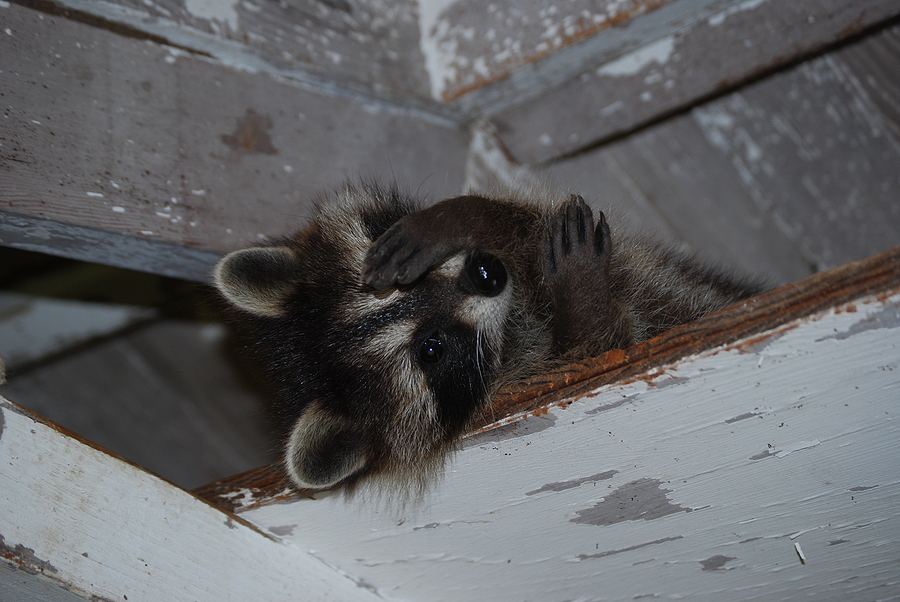
That scratching sound in the attic at 3 AM isn’t your imagination. Those overturned garbage cans aren’t the work of neighborhood dogs. When you suspect a raccoon has made itself at home in your house, your response in the next few hours can make the difference between a minor inconvenience and a major wildlife intrusion problem.

Raccoons are remarkably intelligent and adaptable creatures that view your warm, dry home as prime real estate—especially during colder months or breeding season. While these masked bandits might seem harmless, a raccoon in the house poses serious risks to your family’s health, your property’s integrity, and your peace of mind.

Understanding what to do when you suspect raccoon activity can protect your family from disease transmission, prevent extensive property damage, and ensure the humane treatment of wildlife. The key is acting quickly with the right information and professional support.
Call 317-847-6409  For Licensed Coon Removal in Indianapolis Indiana
Call 317-847-6409 For Licensed Coon Removal in Indianapolis Indiana

Identifying Raccoons in the House

Before taking action, confirm you’re dealing with a raccoon rather than another animal. Raccoons leave distinct signs that differentiate them from squirrels, opossums, or bats.

Listen for the telltale sounds. Raccoons are significantly heavier than most attic invaders, creating loud thumping noises as they move around. You’ll typically hear activity during nighttime hours, as raccoons are primarily nocturnal. Their movements sound deliberate and heavy—quite different from the quick scampering of squirrels.

Examine the evidence. Raccoon droppings are cylindrical, about 2-3 inches long, and often contain visible food remnants like seeds or berries. These droppings pose serious health risks, so never handle them without proper protective equipment. You might also notice paw prints around entry points—raccoon tracks show five distinct toes with claw marks.

Look for entry points. Raccoons are surprisingly strong and can tear through roof shingles, enlarge small openings in vents, or force their way through damaged areas. Check for torn or displaced roofing materials, damaged vents, or enlarged holes that weren’t there before.

Understanding the Risks and Concerns

A raccoon in your house isn’t just a nuisance—it’s a serious situation that requires immediate attention. These animals carry several diseases that can transmit to humans and pets, making prompt action essential for your family’s safety.

Disease transmission tops the list of concerns. Raccoons can carry rabies, raccoon roundworm, leptospirosis, and salmonella. Raccoon roundworm is particularly dangerous, as the eggs can become airborne and cause severe neurological damage if inhaled. Even healthy-appearing raccoons can carry these pathogens.

Property damage escalates quickly. Raccoons don’t just visit—they renovate. They’ll tear insulation and drywall to create comfortable nesting areas, chew on electrical wires (creating fire hazards), and damage roof shingles and vents to improve their access routes. Their droppings contaminate living spaces and create persistent odors that can be difficult to eliminate.

Aggressive behavior becomes likely when raccoons feel cornered. A raccoon protecting young or feeling threatened can become surprisingly aggressive. Their sharp claws and teeth can inflict serious injuries, and their unpredictable nature makes direct confrontation dangerous for untrained individuals.

Immediate Actions to Take if You Suspect Raccoons in the House

When you suspect raccoons in the attic or elsewhere in your home, your immediate response should prioritize safety while preventing the situation from worsening.

1. Secure your pets immediately. Keep dogs and cats indoors, as they’re at high risk for disease transmission if they encounter the raccoon or its droppings. Pet food should be removed from accessible areas, as it attracts raccoons and encourages them to stay.

2. Close off areas where possible. If you can safely do so, seal interior access points to prevent the raccoon from moving deeper into your living spaces. However, never trap a raccoon inside without providing an exit route, as this will increase stress and aggressive behavior.

3. Avoid direct contact at all costs. Don’t attempt to chase, corner, or remove the raccoon yourself. Even baby raccoons can carry diseases, and mother raccoons are extremely protective of their young. Keep your distance and let professionals handle the situation.

4. Document the situation. Take photos of any damage, droppings, or entry points you discover. This documentation will be valuable for professional removal services and insurance claims if significant damage has occurred.

Request a Free, Onsite Raccoon Inspection Today!

Coon Removal Options: Humane and Effective Methods

Successful coon removal requires patience, expertise, and adherence to humane treatment standards. Professional wildlife control specialists employ several methods depending on your specific situation.

Live trapping remains the most common removal method. Professional wildlife control services use appropriately sized traps with effective bait placement, monitoring them regularly to minimize animal stress. However, many Indianapolis area jurisdictions prohibit relocating trapped raccoons due to disease spread concerns, making this option location-dependent.

Exclusion techniques often provide the most humane and effective long-term solutions. One-way doors allow raccoons to exit your property but prevent re-entry. This method works particularly well when combined with habitat modification that makes your property less attractive to wildlife.

Environmental modification encourages raccoons to relocate voluntarily. Professionals might use bright lights, loud noises, or scent deterrents to make your attic or garage uncomfortable for raccoons. This approach requires patience but often succeeds without capturing or relocating animals.

Never attempt DIY removal methods that could harm the animal or violate local regulations. Poison is illegal for raccoon control in most areas and poses risks to pets and non-target wildlife. Trapping without proper permits or knowledge can result in legal consequences and ineffective outcomes.

Prevention: Protecting Your Home Long-Term

Effective coon control focuses heavily on prevention. Once you’ve resolved the immediate intrusion, implementing comprehensive prevention measures protects your property from future wildlife problems.

Secure all food sources that attract raccoons to your property. Use tight-fitting lids on garbage cans, and consider upgrading to wildlife-resistant containers. Remove pet food from outdoor areas, and clean up fallen fruit from trees promptly. Bird feeders should be brought inside at night or equipped with raccoon-proof designs.

Seal potential entry points throughout your property. Install chimney caps and vent screens, repair damaged roofing materials, and seal gaps around utility penetrations. Pay special attention to areas where different building materials meet, as these often develop small gaps over time.

Modify your landscape to reduce raccoon access routes. Trim tree branches that overhang your roof, maintaining at least 8-10 feet of separation. Remove dense vegetation near your home’s foundation that provides cover for approaching wildlife.

Install motion-activated deterrents such as lights or sprinkler systems. These devices startle approaching raccoons without harming them, encouraging them to seek shelter elsewhere. Regular property inspections help you identify and address emerging vulnerabilities before they become entry points.

Take Action Before the Problem Escalates

Raccoon intrusions don’t resolve themselves—they escalate. What begins as occasional nighttime scratching can quickly develop into extensive property damage, serious health risks, and costly repairs. The longer you wait to address the situation, the more complex and expensive the solution becomes.

Professional wildlife control services offer the expertise, equipment, and legal compliance necessary for effective raccoon removal. They can assess your specific situation, implement appropriate removal methods, and provide comprehensive prevention recommendations tailored to your property.

Don’t let a wildlife intrusion threaten your family’s health or your property’s integrity. Contact Us Today for professional coon removal services that prioritize your safety, legal compliance, and long-term prevention. Our experienced team serves Indianapolis suburbs with prompt, humane, and effective wildlife control solutions.

Call Now to Get a Free Quote

Related Post: How to Get Rid of Raccoons on Your Property for Good
Ground Mole Removal: Proven Methods to Reclaim Your Lawn

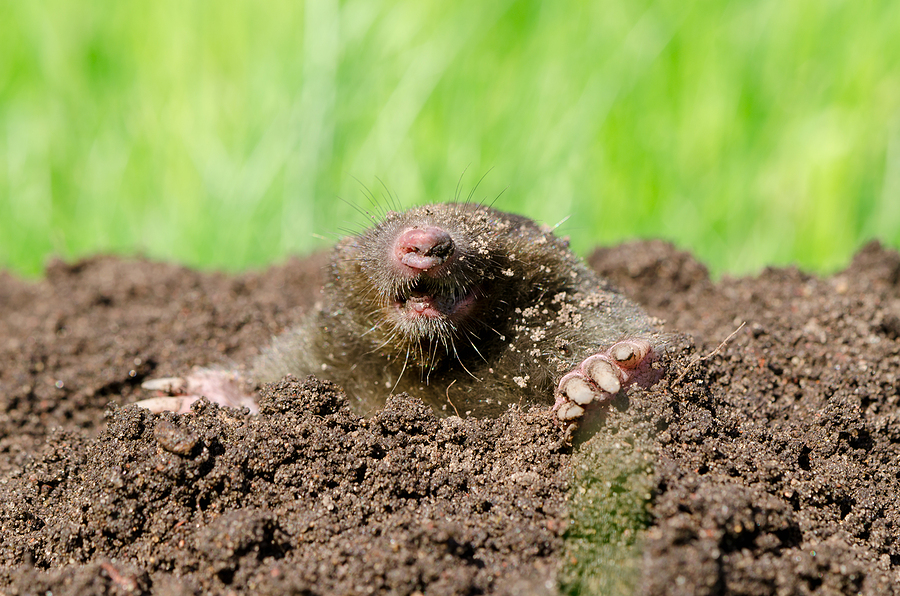
Discovering raised ridges and small mounds of dirt scattered across your pristine lawn can be frustrating. Ground moles, those elusive subterranean creatures, have likely taken up residence in your yard, creating unsightly molehills and damaging your carefully maintained landscape. While these small mammals play an important role in the ecosystem by aerating soil and controlling insect populations, their tunneling activities can wreak havoc on lawns, gardens, and landscaping investments.

Understanding how to effectively manage a mole infestation requires more than just wishful thinking or random attempts at removal. Ground mole removal demands strategic planning, proper timing, and the right combination of methods tailored to your specific situation. Whether you’re dealing with a few scattered molehills or an extensive network of mole tunnels, this comprehensive guide will equip you with the knowledge and tools necessary to reclaim your outdoor space.

The key to successful mole control lies in understanding these creatures’ behavior, identifying active tunnels, and implementing targeted removal strategies that address the root cause of the problem. By combining immediate lawn mole removal techniques with long-term prevention strategies, you can restore your lawn’s beauty while maintaining a healthy ecosystem in your yard.

Call 317-847-6409  for Licensed Ground Mole Control & Trapping in Indianapolis Indiana
Call 317-847-6409 for Licensed Ground Mole Control & Trapping in Indianapolis Indiana

Understanding Ground Moles

Ground moles are small, insectivorous mammals perfectly adapted for underground living. These creatures typically measure 6-8 inches in length and possess powerful front claws designed for digging through soil. Their cylindrical bodies, velvety fur, and tiny eyes reflect their specialized lifestyle beneath the surface.

Moles spend nearly their entire lives underground, creating extensive tunnel systems that can span several acres. These tunnels serve multiple purposes: hunting grounds for finding food, protection from predators, and nesting areas for raising young. Their diet consists primarily of earthworms, grubs, and other soil-dwelling insects, consuming up to 80% of their body weight daily.

Signs of Mole Activity

Identifying signs of a mole infestation is crucial for effective ground mole removal. The most obvious indicators include raised ridges across your lawn where shallow tunnels run just beneath the surface, small mounds of excavated soil called molehills, and soft or spongy areas in your grass where tunnel systems have compromised the soil structure. Fresh molehills with dark, moist soil indicate recent activity, while older mounds will appear weathered and may have vegetation growing on them.

Understanding mole behavior patterns helps optimize removal efforts. Moles are most active during spring and fall when soil moisture levels are ideal for hunting. They typically follow consistent routes through their tunnel networks, making them predictable targets for trapping and other removal methods.

Effective Ground Mole Removal Methods

Trapping: The Most Reliable Approach

Trapping remains the most effective method for ground mole removal, offering immediate results when executed properly. Several trap types are available, each designed for specific situations and tunnel configurations.

  • Scissor-jaws traps work by crushing moles as they travel through their tunnels. These traps require precise placement in active main runways—typically the deeper tunnels that connect surface runs.
  • Harpoon traps penetrate the tunnel when triggered by mole movement, offering another effective option for ground mole removal. These traps work best in straight sections of active tunnels where moles travel regularly.

When setting traps, wear gloves to avoid transferring human scent, which can deter moles from entering the area. Rub traps with soil from the immediate area to mask any remaining odors. Position traps according to manufacturer instructions, ensuring they’re properly anchored and aligned with tunnel direction.

Timing trap placement strategically improves success rates. Spring thaw and periods following heavy rains represent peak mole activity times, especially in Midwest regions where ground conditions fluctuate significantly. Monitor traps daily and relocate them if no activity occurs within 48-72 hours.

Repellents: Natural and Chemical Options

Mole repellents offer an alternative approach to ground mole removal, though results can vary based on soil conditions, weather patterns, and mole population density. Natural repellents typically use castor oil as their active ingredient, creating an unpleasant taste and smell that discourages mole activity.

Repellent application requires consistency for optimal results. Reapply products after rain or irrigation to maintain efficacy, and ensure even coverage to prevent moles from simply moving to untreated areas. Some homeowners find success rotating between different repellent types to prevent moles from becoming accustomed to specific formulations.

Professional Wildlife Control Services

Professional wildlife removal services offer expertise and specialized equipment for challenging mole infestations. These services become particularly valuable when dealing with extensive tunnel systems, recurring infestations, or situations where DIY methods have proven ineffective.

Professional wildlife control specialists possess the knowledge to identify mole species, assess infestation severity, and implement comprehensive removal strategies. They understand local regulations regarding trapping and chemical use, ensuring compliance with municipal guidelines while protecting non-target wildlife species.

Consider professional ground mole removal services when mole activity continues despite consistent DIY efforts, when mole damage threatens valuable landscaping or structural integrity, or when local regulations restrict certain removal methods. Professional wildlife control often provide warranties or follow-up treatments, offering peace of mind and long-term solutions.

Contact Us for Expert Wildlife Removal Service!

Preventive Measures to Abate Nuisance Moles

Landscaping Strategies

Effective mole control extends beyond removal to include landscape modifications that make your property less attractive to these underground dwellers. Proper soil management forms the foundation of successful mole prevention.

  • Improve soil drainage through regular aeration to reduce the moist conditions that attract earthworms and grubs—primary food sources for moles. Well-drained soil also makes tunneling more difficult, encouraging moles to seek easier hunting grounds elsewhere.
  • Trim ground cover and dense vegetation that provides mole habitat and conceals tunnel entrances. Maintaining open sight lines improves your ability to monitor mole activity and implement removal strategies when necessary.
  • Consider installing underground barriers around valuable garden areas or landscaped beds. Hardware cloth or similar materials buried 12-18 inches deep can prevent mole intrusion while allowing proper drainage and root development.

Lawn Maintenance for Mole Control

Maintaining a healthy lawn creates conditions less favorable for mole activity while preserving the aesthetic and functional value of your outdoor space.

  • Avoid overwatering, as consistently moist soil attracts earthworms and grubs that serve as mole food sources.
  • Implement proper fertilization and pest control programs that maintain grass health without creating excessive grub populations. Address grub infestations promptly when they occur, but avoid preventive treatments unless grub problems are documented in your specific area.
  • Regular lawn inspection allows early detection of mole activity, enabling prompt intervention before extensive tunnel systems develop. Check for raised ridges, soft spots, and fresh molehills during routine lawn maintenance activities.

Common Mistakes to Avoid

Understanding common ground mole removal mistakes helps ensure your efforts succeed while avoiding wasted time and resources.

Improper trap placement ranks as the most frequent error—traps must be positioned in active tunnels, not old or collapsed pathways. Identify main runways by probing the ground gently and setting traps directly in these active travel routes.

Inadequate scent masking can render even properly placed traps ineffective. Moles possess keen olfactory abilities and will avoid areas with human scent contamination. Always wear gloves when handling traps and rub them with local soil to eliminate foreign odors.

Inconsistent repellent application leads to disappointing results. Follow manufacturer instructions precisely, apply products evenly across target areas, and maintain regular reapplication schedules. Spotty coverage simply encourages moles to work around treated zones rather than abandoning the area entirely.

Ignoring seasonal activity patterns reduces removal effectiveness. Focus intensive removal efforts during spring and fall when moles are most active, rather than attempting year-round control programs that may prove less efficient.

Take Action Today

Ground mole removal requires patience, persistence, and the right combination of strategies tailored to your specific situation. Success depends on understanding mole behavior, identifying active tunnel systems, and implementing targeted removal methods at optimal times.

Remember that effective mole control often requires multiple approaches working together. Combine immediate removal techniques like trapping with long-term prevention strategies such as improved drainage and landscape modification. Monitor results carefully and adjust methods based on observed mole activity patterns.

Before implementing any removal program, check with local authorities regarding regulations on trapping methods and chemical repellent use. Some municipalities maintain specific guidelines for wildlife control that must be followed to protect both target and non-target species.

Don’t let mole damage compromise your property’s beauty and value any longer. Contact Us for Expert Help with your ground mole removal needs in Indianapolis. Our professional wildlife control specialists possess the knowledge, experience, and specialized equipment necessary to eliminate mole infestations safely and effectively while protecting your landscape investment for years to come.

Call Now to Book Service

Related Post: How to Get Rid of Lawn Moles and Protect Your Garden

Meet Indiana’s Top Predators: A Guide to the State’s Wildlife

Indiana’s forests, wetlands, and grasslands provide habitat for a remarkable array of predator animals that play essential roles in maintaining ecological balance. From the cunning coyote to the silent-flying owl, these skilled hunters control prey populations and keep ecosystems healthy. Understanding these Indiana predators helps us appreciate their importance and learn how to coexist safely with these remarkable creatures.

Whether you’re a homeowner concerned about pet safety or simply curious about the wildlife in your backyard, knowing which predators call Indiana home is both fascinating and practical. These animals have adapted to thrive in the Hoosier State’s diverse landscapes, and their presence indicates a healthy, functioning ecosystem.

Call 317-847-6409  For Professional Wildlife Control Near Indianapolis
Call 317-847-6409 For Professional Wildlife Control Near Indianapolis

Common Predators Found Throughout Indiana

Coyotes: Indiana’s Most Adaptable Hunter

Coyotes have become one of Indiana’s most successful predators, expanding their range throughout the state over the past several decades. These intelligent canines typically weigh between 20-50 pounds and measure 3-4 feet in length, with a distinctive pointed snout and bushy tail.

These adaptable hunters thrive in various habitats, from dense woodlands to suburban neighborhoods. Coyotes primarily hunt small mammals like rabbits, rodents, and occasionally birds, but they’re opportunistic feeders that will consume insects, fruits, and carrion when available. Their keen intelligence allows them to adjust their hunting strategies based on prey availability and environmental conditions.

Coyotes are most active during dawn and dusk hours, though they may hunt during daylight in areas with minimal human activity. Their excellent hearing and sense of smell make them formidable predators, capable of detecting prey from considerable distances.

Red Foxes: Indiana’s Most Widespread Predator

Red foxes represent Indiana’s most geographically distributed predator animals, present in an impressive 90% of the state’s counties. These beautiful carnivores typically weigh 10-15 pounds and feature distinctive reddish-orange fur, white-tipped tails, and black-backed ears.

These solitary hunters prefer a mix of woodland edges, grasslands, and agricultural areas where they can easily locate their preferred prey. Red foxes primarily hunt small mammals, particularly mice, voles, and rabbits, though they also consume birds, insects, and seasonal fruits. Their hunting technique involves patient stalking followed by a characteristic pouncing motion to capture prey.

Red foxes are primarily nocturnal but may hunt during daylight hours, especially when feeding young kits. Their excellent vision and hearing make them effective predators, while their ability to climb trees sets them apart from other canines.

Bobcats: Indiana’s Elusive Feline Predator

Bobcats are Indiana’s only native wild cat species, though they remain relatively uncommon compared to other predators. These compact felines typically weigh 15-35 pounds and feature distinctive tufted ears, spotted coats, and short “bobbed” tails that give them their name.

These secretive cats prefer heavily forested areas with dense cover, though they occasionally venture into more open habitats when hunting. Bobcats are skilled ambush predators that primarily target rabbits, squirrels, birds, and occasionally small deer. Their powerful hind legs allow them to leap up to 12 feet, making them exceptional climbers and jumpers.

Bobcats are predominantly solitary and territorial, marking their ranges with scent markings. Their elusive nature means most Indiana residents never encounter these magnificent predators, though their presence indicates healthy forest ecosystems.

Contact Us for Expert Animal Removal!

Raptors: Indiana’s Aerial Predators

Indiana hosts numerous species of predator birds, including various hawks and owls that serve crucial roles in wildlife control. Common species include red-tailed hawks, Cooper’s hawks, great horned owls, and barred owls.

Red-tailed hawks are perhaps the most visible raptor species, often spotted perched along roadways or soaring overhead. These powerful birds primarily hunt small mammals, reptiles, and occasionally birds. Their excellent eyesight allows them to spot prey from great distances.

Great horned owls represent Indiana’s most formidable nocturnal aerial predator. These impressive birds can take prey as large as skunks and possums, though they typically focus on rabbits, rodents, and other birds. Their silent flight and powerful talons make them exceptionally effective nighttime hunters.

Raptors collectively contribute significant economic benefits through wildlife control, preventing an estimated $5 million in annual crop damage by controlling rodent populations throughout Indiana.

The Ecological Importance of Indiana’s Predators

Predator animals serve as nature’s population control mechanism, preventing herbivore populations from exceeding their environment’s carrying capacity. Without these natural checks and balances, prey species could quickly overwhelm available food sources, leading to habitat degradation and ecosystem collapse.

These skilled hunters also remove sick and weakened individuals from prey populations, reducing disease transmission and strengthening genetic diversity. This natural selection process helps maintain healthier wildlife populations throughout Indiana’s diverse ecosystems.

Predators also influence prey behavior, creating what scientists call a “landscape of fear.” This phenomenon causes prey animals to avoid certain areas or modify their feeding patterns, which can benefit vegetation recovery and overall habitat health.

Safety and Conservation Considerations

Coexisting with Indiana’s Predators

Living alongside predator wildlife requires understanding their behavior and taking appropriate precautions for pet safety. Keep small pets indoors or in secure enclosures, especially during dawn and dusk when many predators are most active. Remove attractants like pet food, fallen fruit, and unsecured garbage that might draw predators closer to homes.

Install motion-activated lighting around outdoor pet areas and consider fencing modifications that make it difficult for predators to access yards. Understanding that these animals generally avoid human contact can help reduce unnecessary fears while maintaining appropriate caution.

Legal Protections and Regulations

The Indiana Department of Natural Resources (IDNR) maintains specific regulations governing interactions with predator species. Many raptors receive federal protection under the Migratory Bird Treaty Act, making it illegal to harm, harass, or possess these birds without proper permits.

Any wildlife removal or control activities require appropriate permits and must follow established guidelines for humane and ethical wildlife management practices. Professional wildlife control services understand these regulations and can provide legal, effective solutions for nuisance animal situations.

Trapping and hunting regulations vary by species and season, with specific licensing requirements for different activities. Always consult current IDNR regulations before attempting any wildlife control measures.

Professional Wildlife Management Solutions

When predator animals create conflicts with human activities, professional intervention often provides the most effective and humane solutions. Licensed wildlife control specialists understand predator behavior, legal requirements, and proven management techniques that protect both wildlife and human interests.

Professional services can assess specific situations, identify attractants that draw predators, and implement comprehensive management strategies that address root causes rather than just symptoms. This approach typically provides longer-lasting solutions while maintaining respect for wildlife.

In Summary

Indiana’s predator animals represent an essential component of healthy ecosystems, controlling prey populations and maintaining natural balance. Understanding these remarkable creatures helps us appreciate their ecological importance while learning to coexist safely and responsibly.

From the adaptable coyote to the silent-flying owl, these predators have earned their place in Indiana’s natural heritage through millions of years of evolution. Their continued presence depends on our commitment to conservation and responsible wildlife management practices.

If you’re experiencing conflicts with predator wildlife or need guidance on wildlife-proofing your property, contact Modern Wildlife Control for professional, humane solutions that protect both your family and Indiana’s valuable predator populations. We serve residential and commercial clients.

Request a Free Assessment

Related Post: Can I Keep a Wild Animal as a Pet?

How to Get Rid of Muskrats: A Complete Property Protection Guide

Muskrats may look like harmless water-loving rodents, but these semi-aquatic mammals can wreak havoc on your property. While they play an important role in wetland ecosystems, muskrats become problematic when they establish themselves near homes, farms, and recreational areas. Their burrowing habits can undermine foundations, flood fields, and destroy carefully maintained landscapes.

Understanding how to manage muskrat populations responsibly is essential for protecting your property while maintaining ecological balance. This comprehensive guide will walk you through identifying muskrat damage, implementing humane prevention methods, and knowing when to seek professional wildlife control services.

Call 317-847-6409  for Licensed Muskrat Control Service in Indianapolis Indiana
Call 317-847-6409 for Licensed Muskrat Control Service in Indianapolis Indiana

Identifying Muskrat Damage on Your Property

Recognizing the signs of muskrat activity early can save you from extensive property damage. These industrious rodents leave distinctive calling cards that, once you know what to look for, are unmistakable.

Common Signs of Muskrat Presence

The most obvious indicator of muskrat activity is their burrow systems. Muskrats create extensive tunnel networks along waterways, which can extend 15-20 feet from the water’s edge. These burrows typically have underwater entrances, making them difficult to spot initially.

Look for small holes approximately 6-8 inches in diameter near ponds, streams, or ditches. Fresh excavation around these holes indicates active use. You may also notice worn pathways through vegetation leading to and from water sources.

Long-Term Property Damage

Muskrat damages can be both immediate and long-term. Collapsed banks represent one of the most serious issues homeowners face. When muskrats burrow extensively into pond or stream banks, they weaken the structural integrity, leading to sudden collapses that can be costly to repair.

Flooded fields occur when muskrat burrows create unintended drainage channels or when their dam-building activities redirect water flow. This can devastate crops and create standing water problems in areas where drainage is crucial.

Damaged lawns may seem minor compared to major structural issues, but the cost of repairing torn-up grass, destroyed landscaping, and compromised irrigation systems adds up quickly. Muskrats often tunnel under well-maintained lawns while moving between water sources and feeding areas.

Distinguishing Muskrat Damage from Other Wildlife

Muskrat damage differs from beaver damage in several key ways. While beavers create obvious dams and fell large trees, muskrats focus on burrowing and eating smaller vegetation. Beaver damage occurs above ground and in water, while muskrat damage primarily affects banks and underground areas.

Unlike groundhogs or other burrowing animals, muskrats always maintain close proximity to water sources. Their burrow entrances are typically found within 20 feet of water, whereas other rodents may burrow anywhere.

Humane Methods for Muskrat Control

Prevention remains the most effective and ethical approach to muskrat management. By making your property less attractive to muskrats and blocking their access to problem areas, you can avoid conflicts without harming wildlife.

Exclusion Fencing Solutions

Install sturdy fencing around ponds and gardens to prevent muskrats from accessing these areas. The most effective muskrat deterrents include hardware cloth or welded wire mesh with openings no larger than 1 inch. Bury the fence at least 12 inches deep and extend it 3-4 feet above ground.

For pond protection, consider installing underwater barriers. These barriers should extend from the water’s edge to at least 3 feet deep, preventing muskrats from establishing burrow entrances. Galvanized hardware cloth works well for this application and withstands underwater conditions.

Habitat Modification Strategies

Trim vegetation and remove potential food sources to make the area less attractive to muskrats. Muskrats prefer areas with dense cattails, sedges, and other aquatic plants. Regular vegetation management reduces both food availability and protective cover.

Remove brush piles, fallen logs, and other debris near water sources. These materials provide muskrats with additional shelter and nesting sites. Maintaining a clear zone of at least 10 feet around water features reduces muskrat habitat significantly.

Consider installing riprap or stone barriers along vulnerable shorelines. These hard surfaces prevent burrowing while providing erosion control. The stones should be large enough that muskrats cannot move them easily.

Natural Repellent Applications

Use natural animal repellents like garlic or peppermint oil to deter muskrats from entering your property. These muskrat repellent options are safe for the environment and other wildlife while being unpleasant for muskrats.

Apply repellents regularly, especially after rain or irrigation. Commercial predator urine products can also be effective, as they trigger muskrats’ natural fear responses. Rotate different repellent types to prevent muskrats from becoming accustomed to specific scents.

Sound deterrents, such as ultrasonic devices or motion-activated sprinklers, can supplement scent-based repellents. These devices startle muskrats and make them associate your property with danger.

Contact Us for Indiana Muskrat Control Solutions!

Safe Removal Techniques for Existing Muskrat Problems

When prevention methods prove insufficient, safe removal becomes necessary. However, muskrat removal requires careful planning and adherence to local regulations to ensure both human safety and animal welfare.

Understanding Legal Requirements

Always check local wildlife regulations before implementing any control measures. Many states, including Indiana, require specific permits for trapping and relocating muskrats. Failure to comply with these regulations can result in significant fines and legal consequences.

Never attempt to touch, trap, harm, or kill a muskrat without proper authorization and training. These animals can carry diseases and may bite when cornered or threatened. Additionally, many jurisdictions classify unauthorized wildlife killing as a criminal offense.

Timing Considerations

Plan removal service during appropriate seasons. Spring and early summer removals are most effective, as muskrats are actively establishing territories and haven’t yet produced offspring. Avoid removal during winter months when muskrats are less active and more vulnerable.

Consider breeding cycles when planning removal efforts. Female muskrats can produce 2-3 litters per year, with each litter containing 4-8 young. Removing adults before breeding season prevents population increases.

Why Hire a Professional Wildlife Control Company

✅ Training & Equipment

Professional wildlife removal services have the training and equipment necessary to handle muskrats safely. They understand animal behavior patterns and can predict how muskrats will respond to different management strategies.

✅ Licensing & Permits

Professionals also carry appropriate insurance and licensing, protecting property owners from liability issues. If someone is injured during amateur removal attempts, homeowners may face legal and financial consequences.

✅ Regulatory Compliance

Professional wildlife control services understand local regulations and maintain necessary permits for muskrat removal. They stay current with changing laws and ensure all activities comply with state and federal requirements.

These services also provide documentation of removal activities, which may be required for insurance claims or regulatory reporting.

Preventing Future Muskrat Problems

Successful muskrat management requires ongoing vigilance and maintenance. Even after resolving current issues, properties remain vulnerable to new infestations without proper preventive measures.

Regular Property Monitoring

  • Conduct monthly inspections of water features and surrounding areas. Look for fresh digging, new pathways, or changes in vegetation patterns that might indicate returning muskrats.
  • Document any changes with photographs and notes. This information helps identify patterns and assess the effectiveness of current prevention measures.

Maintenance of Deterrent Systems

  • Repair and maintain exclusion fencing regularly. Check for gaps, rust, or damage that might allow muskrat access. Replace worn hardware cloth and ensure buried portions remain properly installed.
  • Refresh repellent applications according to manufacturer recommendations. Weather conditions and time degrade most repellents, requiring regular reapplication to maintain effectiveness.

Landscape Management

  • Continue vegetation management around water features. Overgrown areas quickly become attractive to muskrats seeking food and shelter.
  • Monitor water levels and drainage patterns. Changes in water flow or standing water areas may create new muskrat habitat opportunities.

RECAP

Muskrat control requires a balanced approach that protects property while respecting wildlife. These semi-aquatic mammals serve important ecological functions, but their presence on private property can cause significant damage and safety concerns.

Early identification of muskrat activity prevents minor issues from becoming major problems. Regular monitoring, combined with appropriate prevention measures, provides the most effective long-term solution.

Remember that successful muskrat management often requires professional expertise. Complex situations, safety concerns, and regulatory requirements make professional wildlife control services a wise investment for many property owners.

If you’re dealing with muskrat problems on your Central Indiana property, don’t wait for the damage to escalate. Contact Modern Wildlife Control at 317-847-6409 to assess the situation and develop a comprehensive management plan.

Book a Free On-Site Quote

Related Post: The Ultimate Guide to Muskrat Control: Protecting Your Property

When You Need Expert Squirrel Removal Service

Squirrels may be cute as they scamper through trees, but when they take up residence in your attic or walls, they can quickly become unwelcome guests. Their constant chewing, nesting habits, and potential to spread disease can create serious issues for homeowners. If left unchecked, a small squirrel problem can escalate into a costly infestation. Understanding the importance of professional squirrel removal can save you time, money, and significant property damage.

This guide will walk you through everything you need to know about managing a squirrel infestation, the dangers of DIY approaches, and the benefits of professional wildlife removal services. 

Call 317-847-6409  For Professional Squirrel Removal Service in Indianapolis
Call 317-847-6409 For Professional Squirrel Removal Service in Indianapolis

Identifying a Squirrel Infestation

Knowing the signs of a squirrel infestation is the first step toward resolving the issue. Here’s what to look out for:

  • Unusual Noises in the Attic or Walls – Squirrels are most active during the day, so if you’re hearing scratching, scurrying, or gnawing sounds in the early morning or late afternoon, it’s likely you have squirrels in the attic.
  • Visible Damage – Chewed electrical wires, insulation, or wooden beams are telltale signs of squirrel activity. You might also notice exterior damage, such as gnawed entry points near vents, eaves, or roofing.
  • Droppings & Odors – Squirrel droppings in your attic or around entry points are a common indicator. Over time, this can lead to unpleasant odors and attract other pests.
  • Visual Sightings – Spotting squirrels frequently entering or leaving your home, especially around rooflines, is a clear sign they’ve made themselves at home.

If you notice any of these signs, it’s time to act quickly before the problem worsens.

Why DIY Removal is Not Recommended

DIY squirrel removal may seem like a cost-effective option, but it often creates more problems than it solves. Here’s why you should think twice before tackling the issue yourself:

Safety Concerns

Squirrels are wild animals that can bite or scratch when threatened. They may also carry diseases like leptospirosis or parasites such as fleas and ticks, posing health risks.

Risk of Damage

Improper techniques can lead to further damage to your property. For example, sealing off an attic while squirrels are still inside may cause them to create new entry points or die in the walls, leading to unpleasant odors and cleanup issues.

Legal and Ethical Concerns

Many cities, including Indianapolis, have specific regulations governing wildlife removal. DIY methods may unintentionally violate these laws or result in inhumane handling of the animals.

Benefits of Professional Squirrel Removal

Hiring a wildlife removal service offers numerous advantages, especially for dealing with a stubborn squirrel infestation. Here’s how professional experts can help:

  • Humane and Effective Techniques – Trained professionals use humane traps and exclusion methods to ensure squirrels are safely removed and relocated, where permitted.
  • Comprehensive Damage Repair – Beyond removing the squirrels, experts will assess and repair damage caused by the infestation, such as chewed wires, insulation, and structural elements.
  • Prevention Strategies – A professional service doesn’t just deal with the current problem. They’ll identify potential entry points and help squirrel-proof your home to avoid future infestations. This might include sealing gaps, installing chimney caps, or adding wire mesh to vents.
  • Time and Cost Efficiency – Professionals work quickly and efficiently, preventing further damage that could lead to costly repairs in the long run.

Remove Squirrels in the Attic Today!

Choosing the Right Squirrel Removal Service

When selecting a squirrel removal service, it’s essential to find a reputable provider you can trust. Here are the key factors to consider:

  • Experience and Credentials – Ensure the company is licensed, insured, and specializes in handling wildlife removal services.
  • Customer Reviews – Look for testimonials and reviews from other customers in Indianapolis to assess their satisfaction with the service.
  • Humane Methods – Verify that the company uses ethical, humane techniques for removal and prevention.
  • Guarantees and Warranties – Choose a provider that stands by their work with guarantees for their services.
  • Service Area – Confirm the company serves your location, including Indianapolis and surrounding suburbs.

Preventative Measures After Removal

Once the squirrels are gone, proactive steps can help ensure they don’t return. Implement these measures to keep your home squirrel-free:

  • Seal Entry Points – Inspect your home for gaps, cracks, or holes that squirrels could use to re-enter. Seal these openings with durable materials like steel wool or caulk.
  • Trim Overhanging Branches – Squirrels often use surrounding trees to access roofs. Trim back branches at least 6-8 feet away from your home.
  • Install Squirrel Deterrents – Use squirrel repellents like ultrasonic devices, predator decoys, or natural substances such as peppermint oil to discourage them from coming near your property.
  • Maintain Your Attic – Reduce clutter in your attic, as squirrels are less likely to nest in an area without hiding spots. Regularly inspect for any new signs of activity.

Squirrel Removal FAQs

We understand you may have more questions about dealing with squirrels. Here are answers to some commonly asked questions:

How do I know if I have squirrels in my attic? 

Listen for noises during daylight hours and inspect for visible damage or droppings.

What dangers do squirrels pose in my home? 

Squirrels can damage wiring, leading to fire risks, and may carry diseases or pests.

Are your removal methods humane? 

Yes, we prioritize humane and ethical techniques in all our squirrel control services.

How much does squirrel removal cost? 

Pricing varies based on the extent of infestation and the size of your property. Contact us for a free estimate.

Do you service areas outside of Indianapolis? 

Yes, we serve Indianapolis and the surrounding suburbs.

Protect Your Home with Professional Squirrel Removal

Don’t let a squirrel infestation wreak havoc on your home. Professional squirrel removal is the safest, most effective way to safeguard your property and restore peace of mind. With expert assistance, you’ll receive humane removal, repair for damages, and prevention strategies to keep your home squirrel-free for the long haul. 

If you’ve noticed signs of squirrels in your attic or around your property, contact Modern Wildlife Control today to schedule a consultation. Your home deserves protection, and we’re here to help!

Request a Free Quote Now

Related Post: The Advantages of Choosing a Professional Squirrel Removal Service

Should I Be Scared of Opossums on My Property?

Few things make homeowners more uneasy than unexpected wildlife appearances around their property. Opossums, with their nocturnal habits, sharp teeth, and rat-like tails, are creatures that often invoke fear due to common misconceptions. Are they dangerous to your family or pets? Do they wreak havoc on gardens or homes? Should you take action if you notice one nearby? 

This blog aims to address these questions with facts and insights, helping you understand opossums better. We’ll explore their behavior, assess the risks and benefits, and share safety measures to keep your property opossum-free. Whether you’re dealing with unwanted opossum visitors or simply seeking peace of mind, read on for expert advice tailored to homeowners, pet owners, and gardeners in the Greater Indiana area.

Call 317-847-6409  For Licensed Opossum Removal in Indianapolis
Call 317-847-6409 For Licensed Opossum Removal in Indianapolis

Opossum Behavior: What Are They Really Like? 

The opossum, North America’s only marsupial, is often misunderstood. They’re not aggressive predators or a plague on property. Instead, their behaviors reveal a far more docile and curious side. 

  • Diet: Opossums are opportunistic omnivores who enjoy a varied diet. They feed on insects, small rodents, fruits, plants, and even carrion. By consuming pests like ticks and cockroaches, they contribute to natural pest control. 
  • Habits: These nocturnal creatures are expert scavengers. They explore neighborhoods at night, often attracted to unsecured trash, pet food, or gardens. 
  • Hiding Spaces: Opossums seek shelter in safe, dark areas like crawl spaces, attics, or under decks. Being excellent climbers and swimmers, they can even use tree branches to access roofs.
  • Unique Trait: One of their hallmark defense mechanisms is “playing possum”—faking death with an open mouth and a foul smell to deter predators. 

Now that we understand their habits, the question is whether they pose any real threats to homeowners.

Risks vs. Benefits of Having Opossums Nearby 

Opossums, like any wildlife, come with risks and benefits. Here’s a breakdown to help you weigh your concerns.

Potential Risks of Opossums 

  • Health Concerns: While opossums are less prone to carrying diseases than many think, they can still transmit parasites like fleas, ticks, and mites, which may affect pets or other animals.
  • Property Damage: Opossums could burrow under porches or gnaw certain materials when searching for shelter, though they’re generally less destructive than raccoons or squirrels.
  • Startling Pets: If confronted, opossums are more likely to hiss or play dead than attack, but protective pets may become aggressive during sudden encounters. 

Benefits of Opossums 

  • Pest Control: This is the opossum’s biggest benefit. They prey on unwanted pests such as slugs, ticks, and even snakes, helping reduce infestations naturally. 
  • Non-Aggressiveness: Contrary to popular belief, opossums are docile animals. They pose little threat unless cornered or provoked. 
  • Ecological Balance: Opossums help clean up their environment by consuming decaying matter, maintaining a healthier ecosystem. 

While the risks are minimal with proper precautions, the next step is to create a safe environment for both your family and the neighborhood critters.

Safe and Simple Measures to Deter Opossums 

Not keen on sharing your property with opossums? Here are actionable steps to ensure your space is less appealing to them:

  • Secure Trash Bins: Use tight-fitting lids on garbage cans to minimize food odors that attract scavengers. 
  • Remove Food Sources: Avoid leaving pet food outside overnight. Clean up fallen fruit, bird seed, and compost scrapes from your yard. 
  • Declutter Your Yard: Clear away piles of wood, leaves, or overgrown vegetation where opossums could find shelter. 
  • Seal Entry Points: Inspect your home for gaps under porches, crawl spaces, and roof eaves. Use metal mesh or boarding to block access. 
  • Install Motion-Activated Lights: Bright lights can act as a natural opossum repellent, as they prefer dark, quiet areas. 
  • Fence Your Garden: Protect plants with sturdy fences to prevent opossums from feasting on your veggies or flowers. 
  • Trim Tree Branches: Prevent roof access by cutting branches that overhang or touch your home. 
  • Consider Commercial Repellents: Eco-friendly repellent sprays can help keep opossums away from specific areas. 
  • Keep Pets Inside: Minimizing pet-opossum interactions, especially at night, reduces potential risks of hissing or startling encounters. 

These measures not only deter opossums but also optimize your property for general wildlife control.

Learn More About Our Opossum Removal Services

Professional Opossum Control for Long-Term Solutions 

If opossums are becoming a recurring issue or if you’ve already spotted one stashed in your attic, hiring a professional wildlife removal and control service is your best option. Here’s why it pays to trust trained experts like our team in the Greater Indiana area:

  • Humane Practices: Professionals use ethical trapping and relocation techniques to ensure the opossums are unharmed. 
  • Expert Knowledge: Local rules and regulations guide the responsible handling of wildlife, avoiding legal complications. 
  • Comprehensive Solutions: Beyond removal, pros address root causes, offering animal-proofing to prevent future issues. 
  • Specialized Equipment: Tools designed for safe wildlife handling improve both effectiveness and safety. 
  • Experience Across Species: Wildlife professionals can assist with other critters, like raccoons, squirrels, and skunks. 
  • Peace of Mind: Enjoy the certainty that your home is protected by trained experts who understand your concerns. 

Investing in wildlife control ensures your property remains safe, clean, and comfortable for you and your family.

FAQs About Opossum Infestations

If you’re dealing with an opossum infestation, you may have some questions about these unique creatures. Here are a few frequently asked questions and their answers:

What Attracts Opossums to My Property?

Opossums are commonly attracted to areas with easy access to food, such as gardens, trash cans, pet food bowls, and compost piles. They also seek shelter in dark and secluded spaces like attics or crawl spaces.

Are Opossums Dangerous?

While opossums can appear intimidating due to their size and sharp teeth, they are not inherently dangerous animals. They typically only become aggressive if they feel threatened or cornered. However, they can carry various diseases and parasites that may be harmful to humans and pets.

How Can I Get Rid of Opossums?

There are several humane ways to deter opossums from your property. These include removing any potential food sources, securing trash cans, fencing off gardens, using motion-activated lights or sprinklers, and sealing entry points into your home. It’s important to note that trapping and relocating opossums is not recommended as it may cause harm or stress to the animal.

What Should I Do If I Find an Injured Opossum?

If you come across an injured opossum, it’s best to contact a licensed wildlife rehabilitator for assistance. Attempting to handle or treat the opossum yourself may result in further harm to the animal, as they can become aggressive when injured.

In Summary

Despite their bad reputation, opossums play an important role in our ecosystem. These fascinating marsupials with their prehensile tails and pest-eating appetites aren’t inherently dangerous. However, a hands-off approach mixed with basic property maintenance can keep them in their natural habitat where they belong.

If opossum activity around your Indianapolis home persists, don’t hesitate to seek professional help. Contact Modern Wildlife Control for expert opossum removal and ensure your home is nuisance-free and future-ready. Our dedicated team specializes in humane animal removal and animal-proofing solutions tailored to the Greater Indiana area. 

Call or Schedule Online Today!

Related Post: Keeping Your Home Safe: Effective Opossum Removal and Control Tips

Outsmarting the Pests: Managing Nuisance Animals in Spring

Spring in Indiana is a delightful time, with blooming flowers and a return to outdoor activities. However, with nature’s renewal comes an annual challenge for many homeowners and gardening enthusiasts: nuisance wildlife. Squirrels raiding bird feeders, rabbits nibbling your garden vegetables, or raccoons scavenging through trash cans can quickly dampen the joys of spring.

But don’t worry—with the right strategies, you can effectively protect your property without disrupting the local ecosystem. This guide explores common nuisance animals in Indiana, ways to prevent and humanely manage them, and when it’s time to call in professional wildlife control.

Call 317-847-6409  For Professional Wildlife Control in Indianapolis Indiana
Call 317-847-6409 For Professional Wildlife Control in Indianapolis Indiana

Identifying Common Nuisance Animals in Indiana

Understanding the animals causing trouble around your home or yard can help you create an effective management plan. Here are some of the most common nuisance animals in Indiana during spring:

1. Squirrels

  • Habits: Squirrels are active climbers and love to raid bird feeders or gnaw on wooden structures. They may also invade attics to nest.
  • Damage: Chewed siding, damaged fruits, and scattered birdseed are common problems.

2. Rabbits

  • Habits: Fond of tender young plants, rabbits are notorious for foraging in gardens close to wooded areas or tall shrubs.
  • Damage: Nibbled vegetables, flowers, and bark on young trees.

3. Deer

  • Habits: While graceful, deer can be major nuisances. They forage for shrubs, fruits, and vegetables, particularly at dawn and dusk.
  • Damage: Destroyed gardens, stripped tree bark, and trampling of ornamental plants.

4. Skunks

  • Habits: Skunks are nocturnal and dig holes in lawns searching for grubs. Their spray is most infamous, especially when they feel threatened.
  • Damage: Lawn damage and the risk of lingering, unpleasant odor.

5. Raccoons

  • Habits: Highly intelligent, raccoons are adept at scavenging through garbage and entering attics or sheds for shelter.
  • Damage: Overturned trash bins, chewed wires, and insulation damage.

6. Opossums

  • Habits: Though generally scavengers, opossums may raid pet food bowls or nest in garages. They often play dead to avoid threats.
  • Damage: Limited property damage but can act as carriers of fleas and pathogens.

7. Chipmunks

  • Habits: These small rodents are burrowers. Their dens near foundations can lead to structural concerns.
  • Damage: Displaced soil, chewed plants, and undermined foundations.

Identifying these pests early in the season can help you stay ahead of potential damages.

Preventative Measures for Pest-Free Spring Maintenance

A proactive approach is always the best defense when it comes to nuisance wildlife. Here are some tried-and-true preventative measures for protecting your garden and property:

Fencing and Barriers

  • Install sturdy fences around gardens. For deer, a height of 8–10 feet is recommended.
  • Use mesh or netting to protect flower beds and vegetable patches.
  • Shield tree trunks with plastic or metal barriers to prevent squirrels and deer from gnawing on bark.

Animal Repellents

  • Use animal-repellent sprays or granules around your garden. Look for products containing natural ingredients such as garlic and capsaicin.
  • Motion-activated sprinklers and lights can scare animals like raccoons and deer away.
  • Apply noise deterrents like ultrasonic devices to disrupt nocturnal pests such as skunks.

Secure Your Property

  • Keep trash bins tightly closed and consider using animal-proof containers.
  • Trim shrubs and remove woodpiles that animals may use as shelter.
  • Don’t leave pet food unattended outdoors, as it can attract raccoons and opossums.

By implementing these preventive measures, you can significantly reduce the chances of nuisance wildlife invading your Indiana home.

Humane Solutions for Managing Nuisance Wildlife

Sometimes, preventative measures may fall short, and you’ll need to take action to remove particularly stubborn pests. However, it’s essential to adopt humane and ethical solutions:

☑ Trapping and Relocation

Live traps can be an effective way to catch and relocate animals such as skunks or raccoons. However, Indiana law requires homeowners to follow specific regulations:

  • Obtain a permit from the Indiana Department of Natural Resources (IDNR) before relocating certain wildlife species.
  • Follow the IDNR’s guidelines to ensure humane trapping and avoid harming protected species.

Tip: Always release animals in approved areas far from residential zones to prevent them from returning to your property.

☑ Encourage Natural Predators

Encouraging beneficial predators like hawks or owls to settle in your area can help balance the local ecosystem. Consider installing nesting boxes to attract these helpful hunters.

☑ Avoid Poison

The use of poisons is strongly discouraged. It is not only inhumane but also dangerous to other wildlife, pets, and children who might come into contact with it.

For more information on Indiana’s wildlife management regulations, visit the Indiana Department of Natural Resources website.

When to Call a Professional Wildlife Removal Service

While DIY methods work in many cases, some situations call for professional help, especially when dealing with larger infestations or aggressive animals. Here’s when you should consider hiring a wildlife removal service:

  • Complex Situations: When pests have entered hard-to-reach areas like attics, crawlspaces, or chimneys.
  • Safety Risks: If an animal appears aggressive, sick, or threatens your safety.
  • Protected Species: When dealing with legally protected species like the Indiana bat or Chimney Swifts that require special permits to relocate.

Professional wildlife control services in Indiana are equipped to handle these situations efficiently while adhering to state and local regulations.

In Summary

Spring in Indiana should be about enjoying the outdoors—not fending off nuisance wildlife. By identifying the common culprits, taking preventative measures, and using humane solutions, you can keep your property and garden safe from pests. For stubborn or complex cases, professional wildlife removal services are ready to assist.

Protecting your home doesn’t have to be a full-time job. Start implementing these strategies and enjoy a stress-free spring season in harmony with Indiana’s natural beauty.

If you’re dealing with nuisance animals or wish to take preventive measures, consider reaching out to professionals. Contact Modern Wildlife Control at 317-847-6409 for licensed and insured wildlife removal and control services in Indianapolis, Indiana. Your peace of mind is just a call away!

Related Posts:

Affordable Solutions to Spring Nuisance Wildlife Problems
Frequently Asked Questions About Animal Removal and Control
How to Tell if You Have Nuisance Animal Problems

Defending Your Den: A Guide to Skunk Removal and Control

Skunks are more than just the infamous creators of that unmistakable smell. For homeowners, they represent a significant problem, from property damage to the risk of disease. Their nocturnal habits and elusive nature make skunk removal and control a challenging task for many.

This guide aims to offer homeowners practical insights into identifying skunk infestations, understanding their behaviors, and implementing effective strategies for skunk removal and control. Whether you’re dealing with a skunk under the porch or looking to prevent future nuisances, this guide is your starting point.

Call 317-847-6409  for Licensed Skunk Removal Services in Indianapolis Indiana
Call 317-847-6409 for Licensed Skunk Removal Services in Indianapolis Indiana

Identifying Skunk Presence Around Your Property

Recognizing the signs of a skunk infestation is the first step in addressing the problem. Skunks are nocturnal creatures, meaning they are most active at night. You might not see them during the day, but there are telltale signs that indicate their presence. Look out for skunk tracks; they typically have five toes with visible claws. Another sign is small, conical holes in your lawn—evidence of skunks digging for grubs and insects.

Skunks are known for their destructive habits around homes. They might dig under porches, decks, or sheds to create dens. This behavior can cause structural damage over time. If you notice a persistent skunk smell, it might be due to a nearby den or a recent skunk spraying incident. Additionally, overturned garbage cans or raided pet food bowls can also be a sign of a skunk visiting your property in search of food.

Damage indicators such as chewed wires or torn insulation are uncommon but possible if skunks manage to enter an attic or crawl space. Recognizing these signs early can prevent further damage and help you take the necessary steps to resolve the skunk problem.

Understanding Skunk Behavior

To effectively control skunks, it’s crucial to understand their behavior and habitat preferences. Skunks are primarily insectivorous, but their diet also includes fruits, small mammals, and bird eggs. They are attracted to residential areas due to the abundance of food sources, from garbage bins to pet food left outdoors.

Skunks prefer to live near food sources, often choosing sheltered, dark areas like under decks, porches, or sheds for their dens. These areas provide the safety and seclusion they need to raise their young and avoid predators. Knowing this can help homeowners identify potential entry points around their property.

Being nocturnal, skunks are most active during the night and twilight hours. Homeowners are less likely to encounter them directly but may notice their presence through indirect signs. Understanding these habits allows homeowners to better protect their properties and reduce the chances of skunk settlements.

Health and Safety Risks

Skunks pose several health risks, primarily due to their potential to carry diseases such as rabies and leptospirosis. Rabies is particularly concerning because skunks can transmit it to humans and pets through bites or scratches. While incidents are rare, the consequences can be severe and require immediate medical attention.

Another risk comes from skunk spraying. Besides the unpleasant odor, the spray can cause temporary blindness and irritation if it contacts the eyes. It’s essential to approach skunk removal with caution to avoid provoking a defensive spray.

Furthermore, skunks may carry parasites like fleas and ticks, which can transfer to pets and humans, leading to additional health concerns. Ensuring safe and humane skunk control measures are crucial to minimizing these risks and maintaining a healthy environment around your home.

Skunk Removal Methods

There are several non-lethal methods for skunk removal and control that homeowners can implement. Deterrents are a first line of defense; these can range from using motion-activated lights and sprinklers to natural repellents like citrus peels or commercial skunk deterrents.

Humane trapping is another option for those who need to remove skunks already residing on their property. Using cage traps, professional trappers can capture skunks without harm. However, handling skunks should be done with care to prevent stress or injury to the animal. Once caged, licensed trappers can relocate skunks according to local wildlife regulations.

Exclusion techniques focus on preventing skunks from re-entering an area. Sealing off entry points under porches, decks, and sheds with mesh or barriers can deny skunks access to potential den sites. Regularly inspecting these areas can help maintain a skunk-free environment.

Professional Skunk Control Services

While DIY methods can be effective, hiring professional skunk control services offers several advantages. Professionals have the expertise and tools to safely and efficiently handle skunk removal, minimizing risks to homeowners and the animals. They can identify all potential entry points and offer long-term solutions that prevent future infestations.

Professional services provide peace of mind, knowing that the removal process adheres to local wildlife laws and regulations. Experts in skunk control can also offer tailored advice on how to “skunk-proof” your property, ensuring comprehensive protection.

For homeowners who are uncomfortable handling skunks or managing the problem themselves, professional services are a valuable resource. They offer a safe, efficient, and legal way to address skunk issues, allowing homeowners to focus on other priorities.

Preventing Future Infestations

Once skunks have been removed, preventing their return is critical. Skunk-proofing measures can include securing garbage bins with tight-fitting lids and storing pet food indoors. Limiting food sources around your property reduces the likelihood of attracting skunks.

Installing fencing is another effective method. A buried fence can prevent skunks from digging under porches or into gardens. It’s essential to ensure fences are tall enough and buried deep enough to deter both climbing and digging.

Yard maintenance plays a significant role in preventing skunk infestations. Keeping grass trimmed and removing piles of debris or wood can eliminate potential hiding spots. A well-maintained yard is less inviting to skunks looking for a place to settle.

Legal Considerations

Homeowners must be aware of the legal considerations concerning skunk removal and control. In many places, including Indiana, there are specific laws governing the trapping and relocation of skunks. It’s crucial to understand the permits required and any restrictions on handling wildlife.

Relocating skunks without proper authorization can lead to legal consequences. Homeowners should consult local wildlife agencies or hire a professional service familiar with the regulations to ensure compliance.

Being informed about the legal aspects of skunk removal not only protects homeowners from potential fines but also ensures that skunk populations are managed sustainably and humanely.

Conclusion

Effective skunk control is an essential aspect of maintaining a safe and pleasant home environment. By identifying skunk presence early, understanding their behavior, and employing both DIY and professional methods, homeowners can address and prevent skunk infestations.

Taking proactive steps to skunk-proof properties not only protects against immediate nuisances but also contributes to long-term peace of mind. For those seeking assistance, professional wildlife removal services offer expertise and compliance with legal requirements.

If you’re dealing with nuisance skunks or wish to take preventive measures, consider reaching out to professionals. Contact Modern Wildlife Control at 317-847-6409 for licensed and insured skunk removal and control services in Indianapolis, Indiana. Your peace of mind is just a call away!

Related Posts:

4 Safe Methods of Getting Rid of Skunks
Do This if You See a Wild Skunk
Skunk Prevention Tips for Homeowners

Keeping Critters Out: Effective Animal Proofing Strategies for Homeowners

Every homeowner cherishes a peaceful living environment. But when uninvited critters like raccoons, squirrels, and birds decide to join the party, it can quickly turn into a nightmare. This guide is here to help you understand the importance of animal proofing and equip you with effective strategies to keep your Indiana home free from unwanted wildlife.

Animal proofing isn’t just about comfort; it’s about maintaining a safe and hygienic living space for you, your family, and your pets. With the right knowledge and tools, homeowners can effectively deter pesky intruders, ensuring that their home remains a sanctuary rather than a zoo. Read on to discover practical tips and insights that will help you protect your home from these unwanted guests.

Call 317-847-6409  For Licensed Wildlife Control Services in Indianapolis Indiana
Call 317-847-6409 For Licensed Wildlife Control Services in Indianapolis Indiana

Animal Proofing Guide for Keeping Critters Out

Spotting Common Entry Points

Before you can keep critters out, you need to understand how they get in. Identifying common entry points is the first step in effective animal proofing. Critters are clever and persistent, finding ways into even the smallest gaps and crevices.

Look closely at your roofline, vents, and chimneys. Animals often exploit these areas to gain access to your attic or crawl spaces. Examine the foundation of your home for any cracks or openings that might provide an entryway for chipmunks or skunks. Pay special attention to areas around utility lines, as these are often overlooked but offer easy pathways for wildlife.

Don’t forget about doors and windows. Ensure that all screens are intact, and check for gaps or damage that could allow small animals to enter. By identifying these potential entry points, you’re one step closer to securing your home against invaders.

Know Your Adversaries

Different critters pose different challenges, so it’s important to understand your adversaries. Each species has unique behaviors and preferences that can inform your animal proofing strategies.

Raccoons are adept climbers and are known for raiding garbage bins. They often target attics for shelter. Squirrels love to chew, often damaging woodwork to access your home. Birds may nest in gutters or chimneys, leading to blockages and potential damage.

Skunks and chipmunks might be drawn to your garden or yard, creating burrows that undermine structural integrity. By understanding the habits and characteristics of these animals, you can better anticipate their moves and take preemptive action.

Expert Animal Proofing Strategies

Once you know how critters are getting in, it’s time to take action. Start by sealing all identified entry points. Use hardware cloth or steel wool to block gaps, as critters find both materials difficult to chew through. For larger openings, consider installing vent covers or chimney caps.

Trim trees and bushes away from your home to remove access points for climbing animals. Keep your yard tidy and free of debris where animals could hide or nest. Regularly inspect and repair any damage to your property’s exterior to prevent critters from gaining a foothold.

Consider using wildlife repellents as a non-invasive deterrent. Available in various forms, such as sprays and granules, these products can help dissuade animals from approaching your home. Remember, consistency is key—regular application ensures continued protection.

DIY vs. Professional Wildlife Control Services

When it comes to animal proofing, you might wonder whether to tackle it yourself or hire a professional. Both options have their pros and cons, and the best choice depends on your specific situation and comfort level.

DIY animal proofing can be cost-effective and allows you to address issues at your own pace. However, it requires time, effort, and some handyman skills. On the other hand, professional wildlife control services offer expertise and efficiency, often providing long-term solutions that may be hard to achieve on your own.

Professionals can identify entry points you might miss and use specialized tools and products for maximum effectiveness. Although hiring a professional incurs higher upfront costs, it may save you money in the long run by preventing costly repairs or infestations.

Keeping Animal-Proofing Measures Updated

Even the best animal proofing strategies require regular maintenance. Seasonal checks ensure that your defenses remain strong against persistent critters. Look for signs of wear and tear, such as damaged screens or gnawed areas, and address them promptly.

Incorporate these inspections into your regular home maintenance routine. Set reminders for quarterly checks to give yourself peace of mind. Additionally, stay informed about new products or methods that can enhance your current setup.

Encourage family members to assist in keeping up with maintenance tasks. A collaborative effort not only keeps your home secure but also educates everyone on the importance of vigilance against potential wildlife intrusions.

Summing Up Animal Proofing Measures

In conclusion, animal proofing is an essential part of home ownership. By taking proactive measures, you protect your property, enhance your family’s safety, and maintain a comfortable living environment. Remember, the key is to understand your adversaries, identify common entry points, and use a combination of expert strategies and regular maintenance.

Whether you choose to DIY or hire professionals, the ultimate goal is to create a home that’s impenetrable to critters. For those seeking further guidance or assistance, consider reaching out to local wildlife control experts for advice tailored to your specific needs. With the right approach, you can keep your home a critter-free haven.

Are you looking for professional critter control assistance in the Indy area? Contact Modern Wildlife Control at 317-847-6409 for licensed and insured animal trapping and removal in Indianapolis, Indiana. We serve residential and commercial clients.

Related Posts:

Safeguarding Your Space: The Ultimate Guide to Chipmunk Control
The Advantages of Choosing a Professional Squirrel Removal Service
Why Opossums are a Threat to Your Property

Safeguarding Your Space: The Ultimate Guide to Chipmunk Control

Charming yet occasionally troublesome, chipmunks are small rodents that many homeowners and gardeners encounter. Known for their striking stripes and cheek pouches, these creatures are busy foragers who often make gardens and yards their playgrounds. Though they may appear harmless, chipmunks can wreak havoc if left unchecked. Understanding their habits is the first step in managing the impact they can have on your property.

This guide will delve into effective strategies for chipmunk control, exploring both humane and practical methods to safeguard your space. Whether you are dealing with an established population or seeking to prevent future invasions, understanding the behavior and habits of these small rodents is crucial. Join us as we equip you with the knowledge and tools needed to reclaim your outdoor space from these cheeky critters.

Call 317-847-6409  For Chipmunk Control Service in Indianapolis Indiana
Call 317-847-6409 For Chipmunk Control Service in Indianapolis Indiana

Chipmunk 101

Chipmunks are primarily active during the day, often seen darting across lawns or scurrying up trees. They are solitary animals, which means that spotting one likely indicates a singular problem—at least at first. These critters tend to dig extensive burrow systems, which can extend several feet underground, causing structural damage and garden destruction. For homeowners and gardeners, their presence is a double-edged sword; while they add a touch of wildlife to your surroundings, they can also compromise the integrity of your outdoor space.

The impact of chipmunks extends beyond just their burrowing. They have a penchant for munching on newly planted seeds, bulbs, and flowers, which can frustrate growers striving for a lush and vibrant garden. In addition, they may find their way into homes, garages, and sheds.

Signs of Chipmunk Infestation

Spotting the signs of a chipmunk infestation early can save you from extensive damage. One of the most apparent indicators is the presence of small holes in your lawn or garden beds. These holes, usually about two inches in diameter, are entrances to their elaborate tunnel systems. Unlike molehills, chipmunk burrows do not have raised soil around the entrance, making them less conspicuous.

Another sign to watch for is the disappearance of bulbs or seeds. Chipmunks are notorious for digging up freshly planted bulbs and seeds, leaving gardeners puzzled. If you notice that your garden is missing plants or that areas where you’ve sown seeds show no signs of growth, chipmunks might be the culprits. Additionally, finding sunflower seed shells or acorns near these holes is a telltale sign, as chipmunks often store food in their burrows for later consumption.

Finally, listen for unusual sounds. Chipmunks emit a sharp “chip-chip” call to alert others of danger. While they are generally quiet, these sounds can hint at their presence, especially if you hear them frequently near your home or garden. Being vigilant about these indicators can help you address the infestation before it escalates, minimizing potential disruption to your property.

Risks and Damage

Chipmunks may seem innocuous, but their activities can lead to significant risks and damage. One of the primary concerns is structural damage. Their burrows can undermine patios, stairways, and foundations, potentially leading to costly repairs. These intricate tunnels can weaken the ground beneath your property, creating unstable areas that might collapse or cause uneven surfaces.

Beyond structural concerns, chipmunks pose a threat to the aesthetic and health of gardens and lawns. They are known to feast on fruits, vegetables, and flowering plants, stunting growth and reducing yield. This can be particularly disheartening for gardeners who have invested time and effort into cultivating a thriving garden. Additionally, they might chew on bark and stems, which can kill young trees and shrubs.

Inside the home, chipmunks can cause further problems. If they find a way in, they may chew on electrical wiring, posing a fire hazard. They can also damage insulation and other building materials. The presence of chipmunks indoors often indicates that your home has vulnerabilities or entry points that need to be addressed. Recognizing these risks underscores the importance of addressing chipmunk infestations promptly.

Chipmunk Removal Methods

Effectively removing chipmunks from your property requires a multi-faceted approach. Humane traps are a popular method, allowing for safe capture and relocation. Cage traps should be placed near burrow entrances or along routes that chipmunks frequently travel. Once caught, it’s essential to release them far from residential areas to prevent their return.

Exclusion techniques are another effective strategy. This involves sealing entry points to your home, such as gaps in the foundation, vents, and around pipes. Installing fencing around garden beds can also deter chipmunks from accessing these areas. The use of mesh materials can reinforce fences to ensure chipmunks cannot squeeze through.

Repellents are an additional line of defense. Commercially available chipmunk repellents often utilize natural ingredients like peppermint oil, which chipmunks find unpleasant. Applying these around the perimeter of your garden, home, and any known burrow entrances can help discourage chipmunks from settling in your space. Combining these methods increases the likelihood of successfully removing chipmunks while preventing their return.

Prevention Tips

Preventing future chipmunk infestations is as crucial as removal. Start by securing waste and food sources. Chipmunks are attracted to bird feeders, pet food, and unsecured garbage. Opt for squirrel-proof bird feeders and store pet food in sealed containers indoors.

Sealing entry points is another essential preventive measure. Inspect your home’s exterior for cracks or openings, particularly around the foundation and attic. Use caulk or metal mesh to seal these gaps, denying chipmunks easy access to your house. For garden protection, consider using row covers or netting over vulnerable plants.

Maintain a tidy yard to make your property less attractive to chipmunks. Remove fallen fruit, acorns, and other food sources regularly. Keep grass and shrubbery trimmed, as chipmunks prefer areas where they can easily hide. A well-maintained yard not only deters chipmunks but also enhances the overall appearance of your property.

DIY vs. Professional Services

When dealing with chipmunk infestations, homeowners often ponder whether to tackle the issue themselves or hire an animal removal company. DIY methods can be effective for minor infestations, especially when using traps or repellents. With numerous resources and products available, many homeowners feel confident managing chipmunk control independently.

However, there are drawbacks to the DIY approach. Identifying all burrow entrances and exit points can be challenging, and improper handling of traps or repellents may not yield desired results. Additionally, without the expertise of an animal removal company, there’s a risk of unintentionally harming non-target wildlife or failing to address the root cause of the infestation.

Hiring a professional wildlife control service offers several advantages. Experts possess the knowledge and tools necessary to assess the severity of the infestation accurately. They can implement comprehensive solutions, ensuring chipmunks are removed humanely and effectively. Furthermore, professionals can provide tailored advice on prevention strategies specific to your property, offering peace of mind and long-term results.

Conclusion

Chipmunks, while charming, can pose significant challenges for homeowners and gardeners. From structural damage to garden destruction, their presence can disrupt the harmony of your outdoor space. However, with proactive measures and the right strategies, effective chipmunk control is achievable.

By understanding the signs of infestation, recognizing potential risks, and employing removal and prevention techniques, you can safeguard your property against these energetic critters. Whether opting for DIY methods or enlisting professional help, taking action is crucial to maintaining the beauty and safety of your home and garden.

For those looking to explore further, consider consulting with an animal removal company to discuss personalized solutions for chipmunk control. Their expertise can guide you in managing current infestations and preventing future occurrences, ensuring peace of mind for years to come.

Don’t let these furry creatures take over your space – tackle the issue head-on and reclaim your attic today!  Contact Modern Wildlife Control at 317-847-6409 for licensed and insured animal trapping and removal for chipmunks in Indianapolis, Indiana. We serve residential and commercial clients.

Related Posts:

Really Neat Facts About Chipmunks in Indiana
How to Get Rid of Chipmunks Around the Yard
7 Simple Ways to Keep Chipmunks Away From Your Home