Important Facts About Muskrat Removal and Control

If you live near a pond or some other form of marshy land, you likely have a nearby muskrat population. For this reason, it is important to take certain precautions around your home to abate and control possible nuisance muskrat activity or animal damages. Continue below to learn what you need to know about muskrats, including important information about managing local muskrat populations.

Indianapolis Indiana Muskrat Trapping and Removal
Indianapolis Indiana Muskrat Trapping and Removal 317-847-6409

Muskrats Live Near Ponds and Marshy Bodies of Water

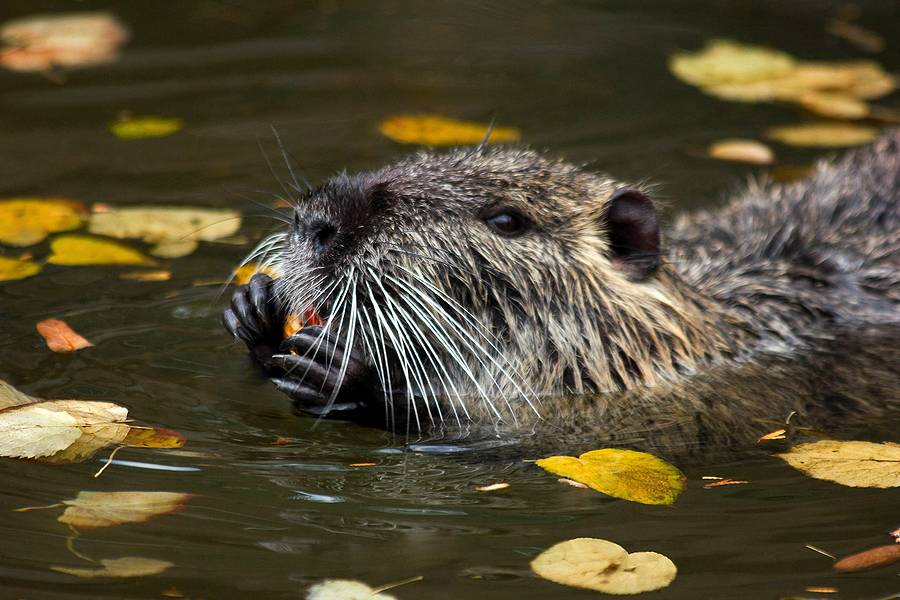
Is your house or property located near marshes or wetlands? How about a nearby pond or bumbling stream? If so, your location is a prime spot for muskrat living. This is due to the fact that muskrats are semi-aquatic mammals and common herbivores. Semi-aquatic refers to their dual land and water lifestyle, while herbivorous means they eat plant and vegetable matter; although some have been known to eat small fish, frogs, snails, and other invertebrates.

Muskrats tend to build lodges or huts on or very close by the banks of such bodies of water, constructing them out of vegetation, mud, and sticks, which is very similar to beaver dams. Other muskrats actually burrow into the banks and seawalls, which is a common source of serious property damages, like flooding. For these reasons, many proper owners mistake muskrats for beavers; although both are equally serious nuisance animal problems to have.

The Importance of Muskrat Control

Large muskrat populations reside here in Indiana, as well as bordering Ohio and Michigan. If you live near wetlands of any sort, you should take precautions around your property to protect yourself from nuisance animal exposure and damages. Muskrats are known to be destructive if not properly controlled through safe environmental modification sciences and exclusion methods.

Otherwise, unmitigated muskrat activity can cause massive landscape flooding, underground utility damages, poor soil composition, and even have a negative impact on the structural and biochemical integrity of the body of water they are inhabiting. This is usually accomplished by destroying banks and seawalls, which can eventually collapse and lead to further unnatural erosion. They also like to dig holes in dams and dikes, and tunnel through the ground of side banks, all of which causes massive destruction to the surrounding structures and environment.

For these reasons and more, local muskrat activity must be safely and humanely controlled. How do you get rid of muskrats? Well, the answer lies in environmental modification and professional wildlife abatement services. For starters, if you have an out-of-control muskrat population on your property, you will need muskrat trapping and removal services. From there, you will need to implement the proper strategies to thwart further muskrat activity on your premises, which your professional muskrat removal and control specialist can help you with.

Do you have too many muskrats on your property? Contact Modern Wildlife Control at 317-847-6409 to get rid of muskrats in Indianapolis, Indiana. We serve residential and commercial clients with safe and affordable wild animal trapping and animal damage cleanup services.

You Should Read:

How to Get Rid of Muskrats
How to Tell if You Have Nuisance Animal Problems
Fun Facts About Beavers in Indiana

Modern Wildlife Control Indianapolis

Are Moles and Voles the Same Animal?

Spring is just around the corner, which means you will soon be back into the routine of yard work, such as gardening, lawn care, mulching, and more. And if you want all your hard work to pay off, be sure your property is protected against nuisance wildlife that will be sure to destroy it all. The most common lawn and garden pillagers are moles and voles, which coincidentally, are often confused for the other since not many people are really sure what the difference is between them.

Are voles wild hamsters? Are moles the same thing as a vole? If you want to protect your lawn and garden this spring, continue reading to learn what you need to know about these nuisance animals.

Indianapolis Wildlife Removal and Control 317-847-6409
A Townsend’s Mole

Yard Moles

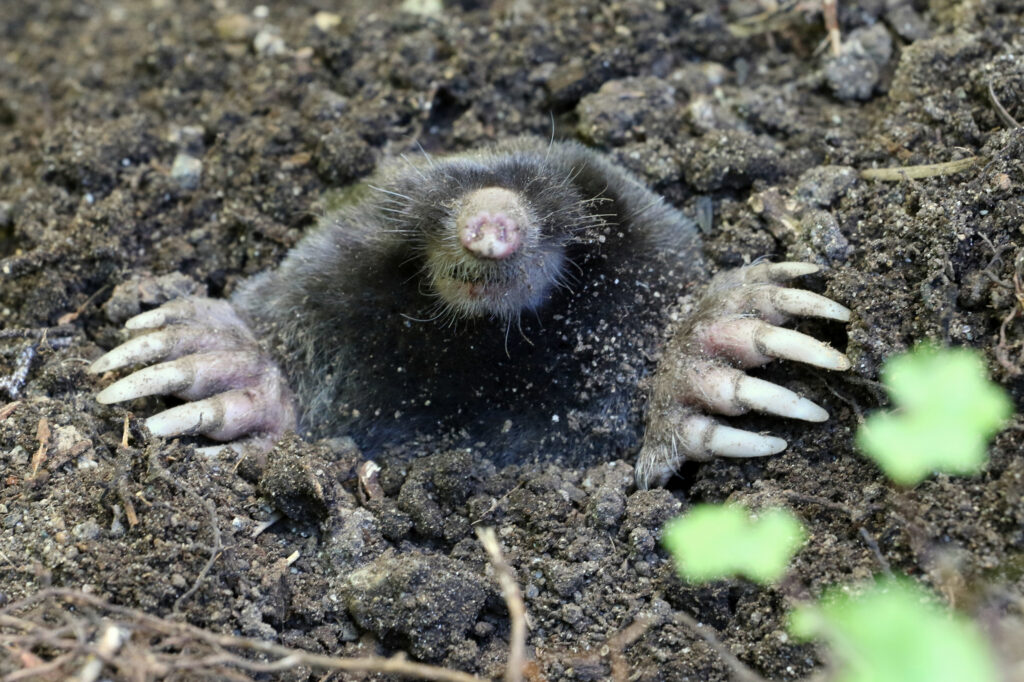
You may be interested to learn that moles are in the same scientific family as shrews and bats. They live a subterranean lifestyle, which means they make tunnels and burrow underground. Moles have also adapted have polydactyl forepaws, allowing them to easily dig complex tunnel systems below ground. Moles can live in low-oxygen environments because, according to Wikipedia, “(…) their blood cells have a special form of hemoglobin that has a higher affinity to oxygen than other forms.”

As insectivores, they feed only on bugs, usually grubs and other small invertebrates. In fact, their saliva contains a toxin that paralyzes earthworms! They even squeeze the worm first to eliminate all of the soil and waste inside them! Many people think that moles are blind and deaf, or lack eyes altogether; but the truth is, they have very tiny eyes and ears, and use them just fine. In fact, the star-nosed mole can detect, catch and eat prey faster than the human eye can see!

Voles

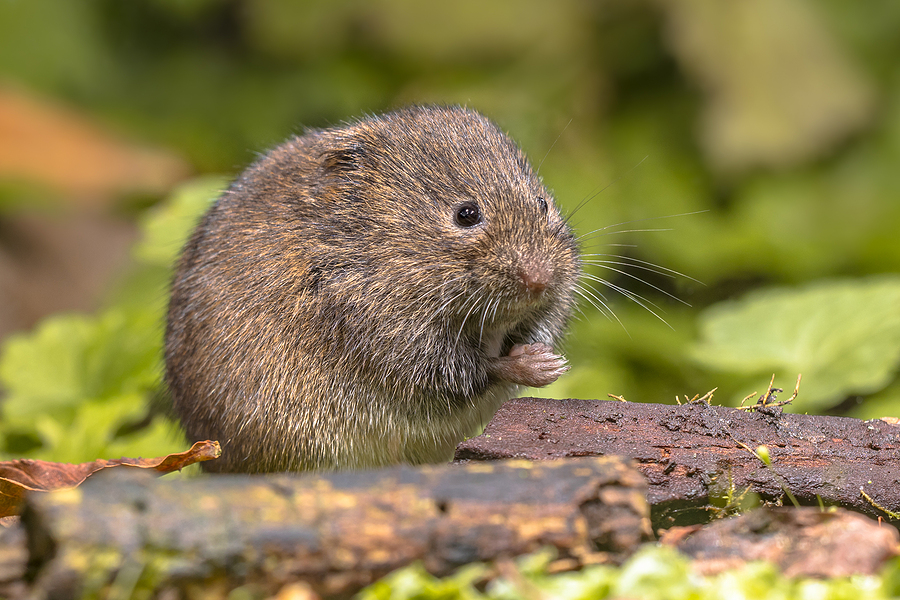
Voles are part of the Rodentia order, which means they are in the same scientific family as rats and mice. If you have ever had a pet hamster, you have basically had a pet vole since they are also part of the same family and order. Voles are also referred to as “meadow mice”, “pine mice”, and “field mice.” Although there are meadow voles, which primarily live above ground, most voles live underground in tunnel systems, just a few inches below the surface. In fact, voles will use mole tunnels too.

Indianapolis Critter Removal and Control 317-847-6409
A Short-Tailed Field Vole

In contrast to moles, voles primarily eat grasses, roots, tubers, seeds, fruits, bark, underground fungi, and other plant material. Their biggest predators are hawks, owls, snakes, and even cats, so they prefer grassy, underbrush areas near food sources so they can remain hidden. Voles are also very prolific breeders, which means an infestation can be highly destructive to a lawn or garden. They can produce 4 to 6 litters each year, which can add up to hundreds of voles in one tunnel system.

How to Protect Your Lawn from Nuisance Moles

Regardless of whether or not you confuse moles for voles, or vice versa, the strategies to effectively reduce or eliminate nuisance activity is the same for both animals. Moles and voles will both destroy lawns and pillage gardens, making preventative maintenance and animal-proofing a must, especially if you are already aware of their presence. To abate moles and voles, contact a licensed Indianapolis wildlife removal company for critter control assistance.

Yard Mole Removal and Control in Indianapolis, Indiana

Call Modern Wildlife Control at 615-336-5503 when you need professional animal trapping and removal for yard moles in Indianapolis, Indiana and surrounding areas. Our DNR licensed and insured wildlife rescue and control specialists offer safe and humane squirrel abatement services, clean up and minor restorations for animal damages, 24 hour emergency service, and free estimates. Get started and request a free estimate or advice, today.

Modern Wildlife Control Indianapolis, Indiana

How to Solve Nuisance Groundhog Problem

In light of the recent annual occasion of Groundhog’s Day, and although he didn’t see his shadow this year, let us still discuss this common nuisance animal endured by thousands of Hoosiers all across the state. Most people go years before realizing they have a groundhog problem on their property. This is likely due to the prospect that many people are not even sure what a groundhog is or what they look like. Well, it is time to clear up the confusion, and show you the best way to solve your woodchuck problem once and for all!

Continue reading to learn what you should know about groundhogs, and how to get rid of them if they become a problem for you.

Indianapolis Groundhog Removal Service
Indianapolis Groundhog Removal Service 317-847-6409

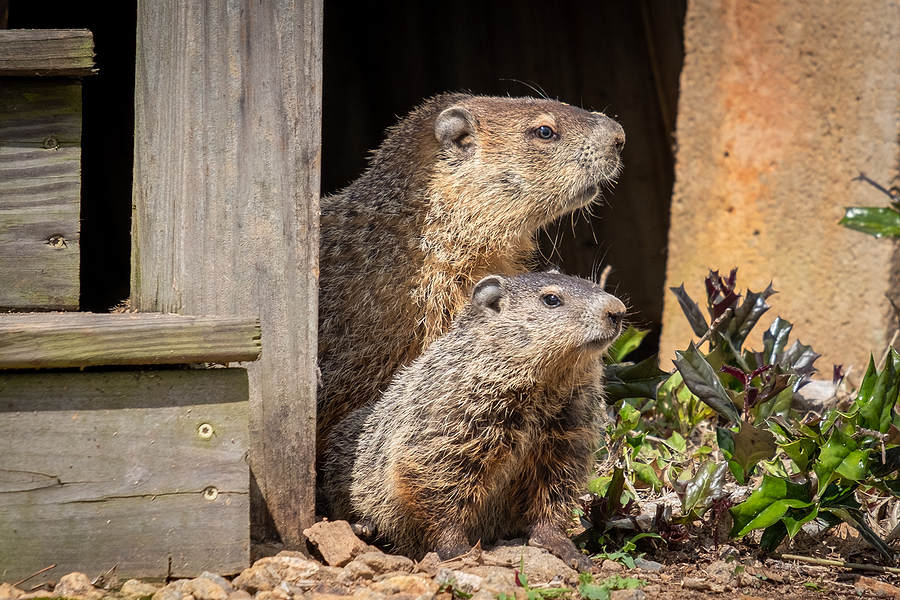
Groundhogs are Also Called Woodchucks

Groundhogs do not really have an appealing name; do they? When you put “ground” and “hog” together, you don’t really paint an attractive visual image. The truth is, they are part of the rodent family, so this particular mental image is probably not too far off. As children, many of us remember the riddle, “how much wood would a woodchuck chuck if a woodchuck could chuck wood?” Well, groundhogs are woodchucks!

Groundhogs are the largest members of the Sciuridae family, which is reserved for medium-sized rodents like squirrels. Adults are an average of 16 to 20 inches long, and weigh between 5 to 12 pounds.  They have brownish tan fur, sharp claws, and long tails, usually 6 inches in length. In the wild, they can live up to 10 years, but generally have lifespans that average between 3 and 6 years. As herbivores, groundhogs can eat roughly one-third of their body weight in vegetation each day; however, they are known to eat insects at times.

Groundhogs are Known as an “Edge Species”

Known as edge species, groundhogs like to linger in transitional areas where forest meets a well-vegetated open field or meadow. As a diurnal species, they are active during the day, and spend most of their time underground in complex burrow systems. Dry soil in good condition is a prime target area for groundhogs because it makes for the best burrowing. It is common to find groundhog burrows near fence lines, houses, hedgerows, and lined trees. Their digging can be quite destructive to residential and commercial lawns, making them quite to nuisance to many.

What to Do About Nuisance Groundhogs

Common signs of a groundhog problem include more than just mounds of soil and visible lawn burrowing. You may also notice chewing on garden vegetables, damaged crops, chewed irrigation lines, and paw prints in soil. If you see signs of groundhog burrowing or activity, your first step is to contact a local and trusted Indianapolis wildlife control company for a full-property inspection. They retain the proper permits, training, and technologies to accurately identify a woodchuck infestation, and recommended the best course of action to get rid of them, safely and humanely.

Professional Indianapolis Groundhog Removal Services at the Right Price

Whether you call them groundhogs or woodchucks, these nuisance animals are highly destructive and should be abated as soon as possible. Call Modern Wildlife Control at 317-847-6409 for groundhog removal and control service in Indianapolis, Indiana and its surrounding counties. Our Indianapolis wildlife control operators are standing by, waiting to help you get rid of groundhogs at a price you can afford, and in a time frame that is convenient for you. Contact us to request a free estimate or free advice, anytime. We also offer dead animal removal and emergency after-hours animal removal services.

Modern Wildlife Control Indianapolis

Why Opossums are a Threat to Your Property

They might look goofy and walk slow, but make no mistake. Opossums are a threat to your property, whether it be a residence or commercial building. Continue reading to learn why these nuisance animals we colloquially refer to as “possums” are too much of a risk to have around, and what you need to do to prevent opossum intrusions around your home or business.

Indianapolis Opossum Control 317-847-6409

Opossum Diseases

Opossums are known to be among the filthiest nuisance critter because they scavenge for food, will eat practically anything, and pillage garbage on the regular. However, possums are not just dirty and unhygienic, they are also common carriers of several infectious diseases and illnesses that can be transmitted to both people and pets. The most dangerous disease that opossums can possibly carry and transmit is the Rabies Virus, which there is no cure for once contracted, whether person or animal. Other common opossum diseases include fleas, ticks, parasites, bacterial infections from bites, and more.

Opossums are Destructive

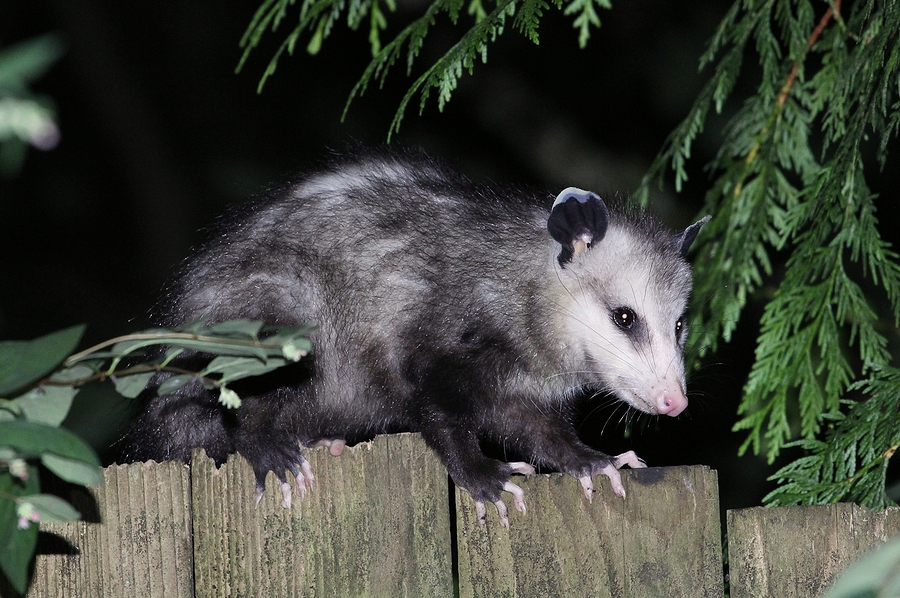
The threat of disease is serious, but it is not as likely to be harmed by an opossum (person or pet) than it is to have your property destroyed by them. Nuisance opossums are a nuisance because they are highly destructive. They have long claws that are sharp, which allow them to be agile climbers. Their climbing ability allows them to get high into the trees, and access power lines, roofs, gutters, attics, and more. Once there, they cause a massive amount of structural damage.

In addition to being great climbers, opossums are also avid diggers, and they will use their long, sharp claws to tear up lawns, gardens, flowerbeds, and mulch beds. But freshly laid sod is their favorite. As an omnivorous species, which means they eat both plant and animal matter, they often scavenge trashcans and pet food storage, causing an infuriating mess to clean up in the morning.

Where They Like to Hide

Most often, you can find opossums strolling around dumpsters and garbage cans, where they will take shelter somewhere nearby. They are often found in attics, or under porches and decks, usually in a litter of three or more. In nature, they use hollowed trees or old animal dens as shelter.

As nocturnal animals, they are active at night, making it more difficult to catch them in the act. That is why you need safe and humane Indianapolis opossum control. It will ensure your home is protected from nuisance opossum damage, as well as damages from other nuisance animals in Indiana.

Indianapolis Opossum Removal and Control Services in Indianapolis

Call Modern Wildlife Control at 317-847-6409 for professional opossum control in Indianapolis, Indiana and its surrounding counties. Not only do we get rid of opossums, but we offer cleanup and restoration work for animal damages. Our specialists have more than 10 years of hands-on experience and retain the latest technologies and innovative resources to safely and humanely manage any opossum removal job, regardless of size or scope. Start with a free estimate or advice, today!

Modern Wildlife Control Indianapolis, Indiana

4 Nuisance Animals to Watch Out For in Winter

You would think that animals would cozy up in their respective dens or burrows and wait for the winter season to pass. But no, they are still out there causing problems for property owners everywhere in Indiana. Although most animals do hibernate or migrate, there are some species of wildlife that you really need to watch out for in the winter. Continue reading to learn how to protect your home or building from these 4 common wintertime nuisance animals.

Indianapolis Animal Trapper
Indianapolis Animal Trapper 317-847-6409

Wintertime Nuisance Animals

🦇 Bats

Bats are notorious for taking up shelter in attics and crawl spaces. Seeing as though they can fit through an opening as small as 3/8ths of an inch, it is no surprise they can do access our properties so easily. Later on, unsuspecting property owners are faced with a massive renovation project to repair all the damages caused by the infestation. Bats roost in large numbers as well, so the more bats there are, the more damage will occur. For this reason, you want to get rid of bats as soon as possible. By protecting your home or building from bat intrusions, you can avoid costly renovations come spring.

🐺 Raccoons

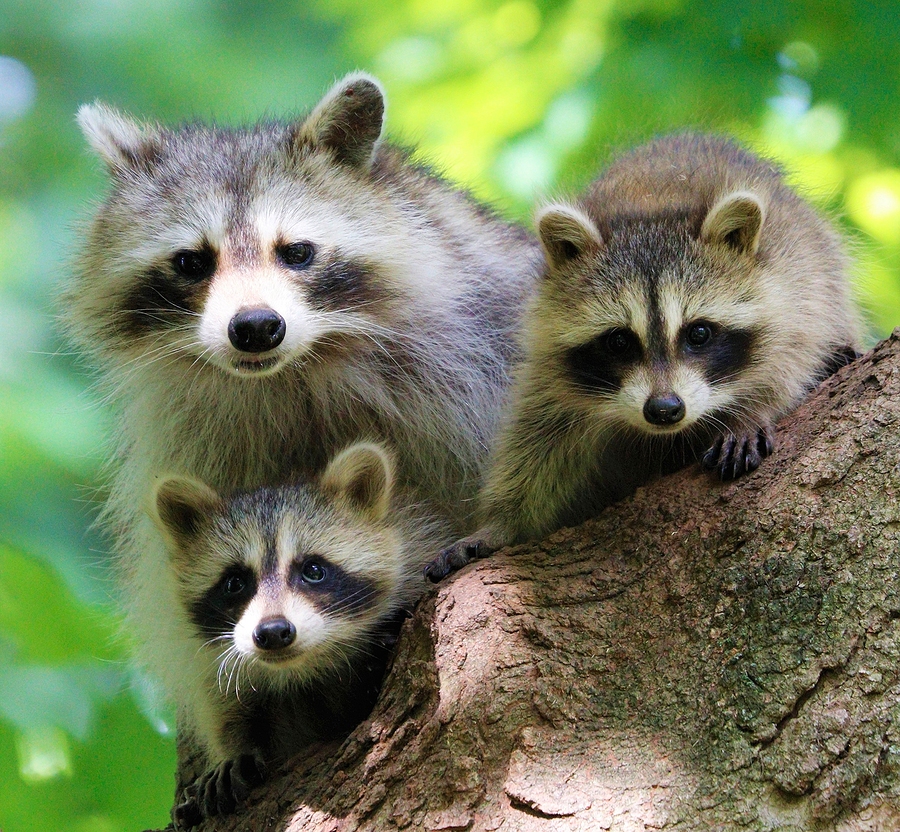
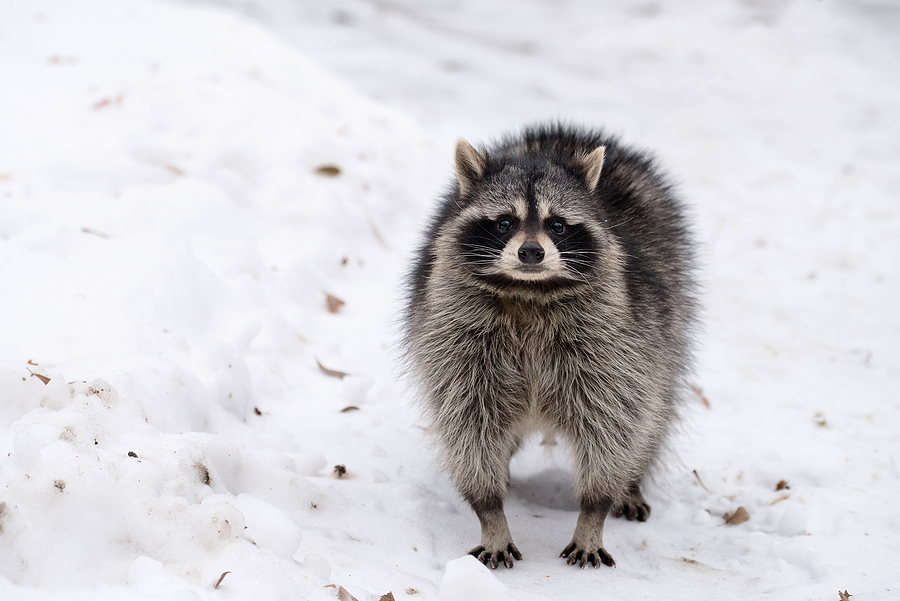
Many people wrongly assume that raccoons hibernate, but we assure you, they do not. In fact, raccoons are busy little bodies in the winter season, and maintaining perfectly cozy shelters at property owner’s expense. Raccoons will make their winter homes in dens, hollow trees, brush piles, and inside tall grass, all of which is destructive to your landscaping. Especially determined raccoons will go a step further and access inner areas of a house or building, such as the attic, crawl space, underneath porches, garages, sheds, barns, and more. Here is where they do the most damage, not only structurally, but in terms of sanitation too.

🐹 Squirrels

Squirrels are another species of wildlife that are commonly mistaken for hibernators. But the truth is, squirrels are not a hibernating species. They are, however, very agile climbers and clever in a pinch. This makes the potentially threatening to the structural integrity and safety of your property. Squirrels are known to take shelter in attics, and in all other places that raccoons are known to nest, such as wall voids, chimneys, crawl spaces, and under porches.

🦨 Skunks

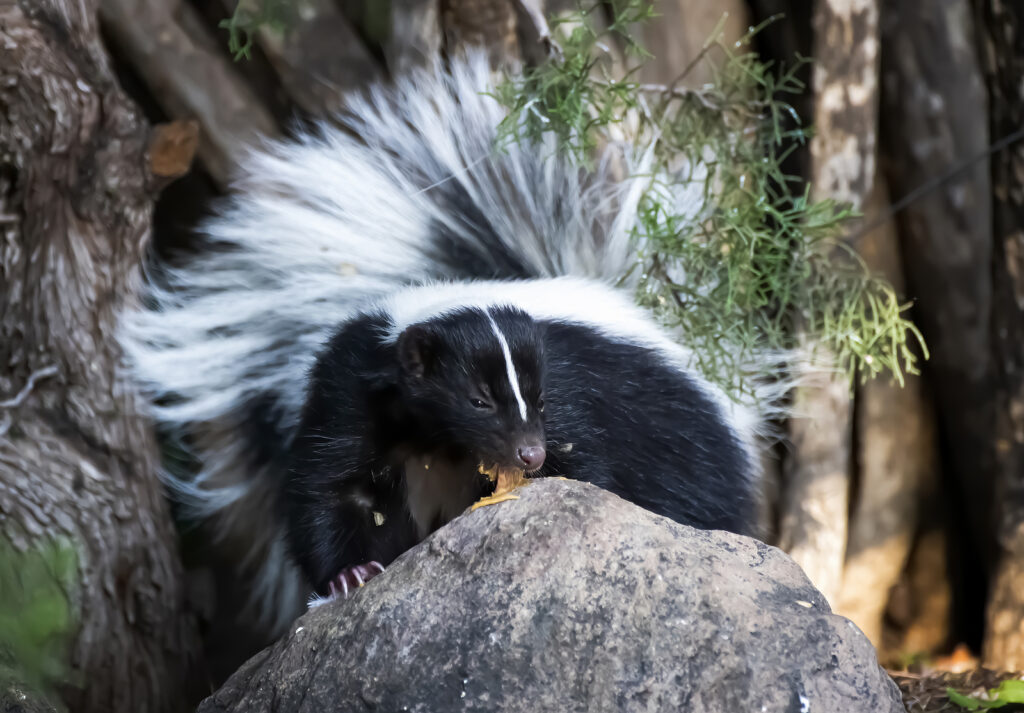
Skunks are quite destructive, aside from their odorous defense mechanism. They will also continue to dig up lawns and gardens in search of juicy grub worms and other things to eat, all winter long. They are also known to make themselves at home inside garages, sheds, barns, and even below porches. Not only are they destructive and capable of producing a long-lasting smell that can also cause blindness, they are known carriers of several infectious diseases, including the Rabies virus.

How to Protect Your Home This Winter From Nuisance Animals

The best method for protecting your property from nuisance wildlife intrusions and tampering is to seek the assistance of a skilled and reputable Indianapolis critter control company. They can give you advice that specifically targets the nuisance animal that is bothering your home, and protect your property from all other common wildlife threats in your area.

Indianapolis Animal Removal and Control You Can Trust

Call Modern Wildlife Control at 317-847-6409 for safe and humane animal trapping and removal in Indianapolis, Indiana. Our licensed wildlife control specialists offer a wide range of residential and commercial animal extraction and exclusion services at the most competitive prices around.  We only use safe, eco-friendly techniques and humane methods of wildlife abatement. We also offer 24 hour emergency service, free estimates, free advice, and more! Call 317-847-6409 to request a free estimate, today.

Modern Wildlife Control Indianapolis