
Discovering that wildlife has moved onto your land can be a stressful experience, especially when it involves significant changes to your landscape. Beavers are incredible ecosystem engineers, but their instinct to build and alter waterways often clashes with human property lines. Once rare in places like Indiana, these industrious rodents are now abundant and can cause extensive damage if left unchecked.
The key to protecting your land is early detection. Beavers can drastically alter a habitat in just a few days, flooding yards, blocking drainage ditches, and destroying mature trees. Recognizing their presence early gives you the best chance to mitigate the damage before it becomes a costly nightmare.
Most adults weigh between 30 and 70 pounds and measure about four feet long, making them the largest rodent in North America. Because they are primarily nocturnal, you are much more likely to see the physical marks they leave behind rather than the animals themselves.
If you suspect you have a nuisance animal altering your waterways, it pays to know what to look for. Here are the top signs that beavers have taken up residence on your property.
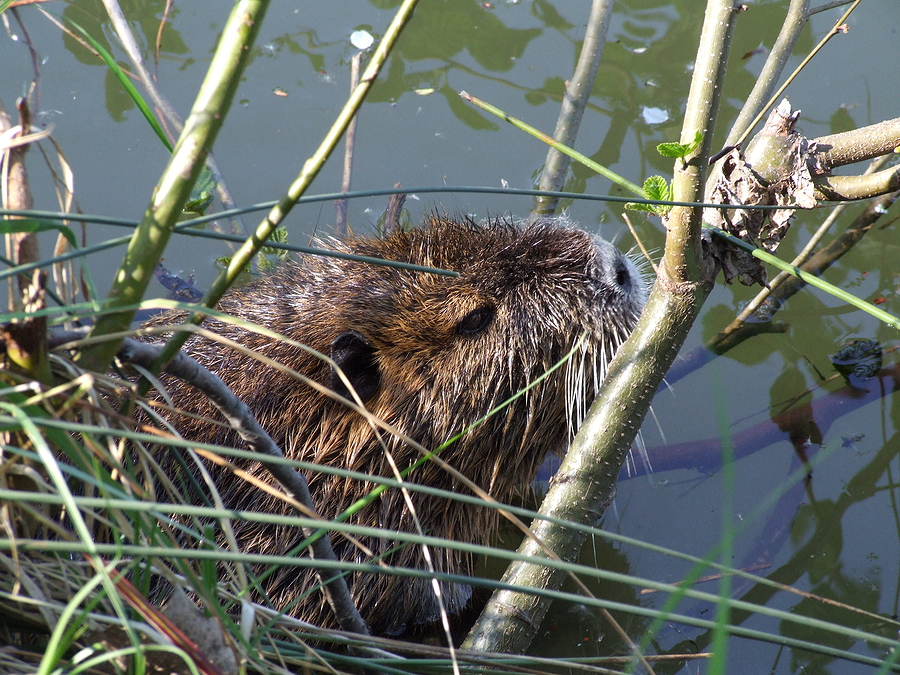
Chewed Trees and Woody Vegetation: The Most Obvious Clue
One of the most immediate indicators of a beaver problem is the damage done to trees and shrubs. Like all rodents, a beaver’s front teeth grow continuously throughout its life. Gnawing on wood helps them keep their teeth sharpened and at a manageable length.
Distinctive Chewing Patterns
Beavers leave highly recognizable marks on timber. You will typically find an hourglass shape near the base of the trunk, where the animal has chewed away the wood from all sides. The ground around the base of the tree will often be littered with large, distinct wood chips.
Preferred Tree Species
While beavers are strict vegetarians that eat water lilies and aquatic plants, they rely heavily on the bark and twigs of specific trees. They have a strong preference for softwoods like willow, aspen, birch, and poplar. If you have these species near a water source, they are highly vulnerable to beaver damage.
Damage Levels
The extent of the damage can range from small saplings clipped cleanly at a 45-degree angle to massive, mature trees that have been completely felled. Before winter arrives, beavers will fell trees, clip branches from the main log, and stash them underwater to serve as a winter food cache.
Beaver Dams: Water Control Experts
Beavers like to turn flowing water into pooled water. They build dams to create deep, still ponds that protect them from predators and allow them to safely access underwater food caches during the winter.
Identifying Dam Locations
Dams are typically constructed in areas where water naturally flows. You will most commonly find them in creeks, streams, rivers, and even man-made drainage ditches or road culverts. A sudden blockage in a normally free-flowing ditch is a strong indicator of beaver activity.
Dam Construction Materials
These structures are remarkably sturdy. Beavers build their dams using a combination of sticks, branches, mud, rocks, and other debris found in the immediate environment. They pack the mud tightly between the wooden elements to create a nearly watertight seal.
Impact on Water Levels
The most noticeable consequence of a beaver dam is the sudden alteration of water flow. You may notice water backing up into your yard, pastures, or agricultural fields. Upstream areas will experience flooding, while downstream areas may suddenly dry up.
Lodges and Burrows: Beaver Homes
A beaver dam is not where the animal lives; it is simply a tool used to raise the water level. The actual home is called a lodge or a bank burrow, providing a safe, dry place for the family to rest and raise their young.
Lodge Characteristics
Traditional lodges are large, dome-shaped structures built directly in the water. They are constructed from the same materials as the dam—sticks and mud—and feature underwater entrances that allow the beavers to come and go without exposing themselves to predators.
Bank Burrows
In many areas, including Indiana, beavers frequently build modified bank burrows instead of freestanding lodges. They dig tunnels that lead from below the water level up into the steep bank of a river or pond, creating a dry nest chamber above the waterline.
Signs of Occupancy
To determine if a lodge or burrow is currently occupied, look for fresh signs of maintenance. Active lodges will often have fresh mud packed onto the exterior, and you may see freshly peeled sticks floating nearby. In the winter, the heat generated by the beavers inside can sometimes cause steam to rise from the top of the lodge.
Beaver Canals and Trails: Movement Through the Landscape
Beavers are clumsy and vulnerable on land, so they prefer to travel by water whenever possible. When they deplete the food supply directly adjacent to their pond, they will create transportation networks to reach new resources.
Purpose of Canals
Beavers will actively dig shallow canals radiating outward from their main pond. These water-filled trenches allow them to safely swim to new feeding areas and effortlessly float heavy branches and logs back to their dam or lodge.
Appearance of Trails
Where canals are not feasible, beavers will create heavily worn trails over land. These paths are typically narrow, muddy, and completely devoid of vegetation due to the repeated dragging of heavy timber. You will often see these trails leading directly from the water’s edge to a grove of chewed trees.
Tail Slaps and Other Sounds: Auditory Indicators
You do not always have to rely on visual cues to identify beaver activity. Paying attention to the sounds around your property, especially near dusk and dawn, can provide valuable clues.
The Warning Slap
Beavers have a distinctive, flat tail that acts as a rudder while swimming. When startled or threatened, they will violently smack this tail against the surface of the water before diving to safety. This loud, percussive sound serves as an alarm to other beavers in the area and is often described as sounding like a heavy rock being thrown into the water.
Gnawing Sounds
Because beavers are primarily active at night, you might hear them before you see them. If you are near the water after dark, listen for the rhythmic, scraping sound of teeth gnawing on wood.
Mud Slides and Bank Erosion: Altered Landforms
The constant movement of heavy, wet animals in and out of the water takes a toll on the surrounding landscape. Beavers create distinct pathways along the banks of their ponds and streams.
Signs of Frequent Entry and Exit
Look for slick, muddy slides on the banks where beavers repeatedly drag themselves and their building materials out of the water. These slides are often very smooth and heavily compacted.
Bank Damage
Over time, the frequent use of these slides, combined with the digging of bank burrows, can severely undermine the structural integrity of the shoreline. This leads to accelerated bank erosion and occasional collapse, which can be particularly damaging to private property.
Waterlogged Areas and Changes in Vegetation
The long-term presence of beavers fundamentally changes the local ecosystem. The sudden introduction of standing water alters what can and cannot grow in the area.
Beaver Ponds
The creation of a beaver pond transforms a flowing stream into a stagnant wetland. You will quickly notice areas of your property that were once dry land becoming permanently waterlogged, swampy, and difficult to traverse.
Dead Trees and Plants
Most terrestrial trees and plants cannot survive prolonged inundation. As the water level rises behind a beaver dam, the root systems of surrounding trees drown. This results in large patches of dead, leafless trees standing in the middle of newly formed ponds.
Beaver Control Strategies
When dealing with nuisance beavers, the most effective and responsible option is to enlist the help of licensed wildlife control professionals. These experts have the training, experience, and equipment necessary to manage beaver populations safely and humanely.
Professional beaver control services can assess the situation, implement solutions such as strategic trapping or installing flow devices to control water levels, and ensure compliance with local wildlife regulations. Hiring a professional minimizes risks to both property and ecosystems, providing a balanced approach that supports long-term coexistence with wildlife.
Frequently Asked Questions About Beavers
Are beavers dangerous to humans?
Beavers are generally not dangerous to humans or pets and prefer to avoid conflict by diving underwater. However, like any wild animal, they can become aggressive if they feel cornered or if their young are threatened. It is always best to observe them from a safe distance.
What time of day are beavers most active?
Beavers are primarily nocturnal, meaning they are most active during the night. They will occasionally emerge during the late afternoon or early evening, but the vast majority of their foraging and building occurs under the cover of darkness.
Can I remove a beaver dam myself?
Regulations vary by location, but in places like Indiana, you can often remove the physical debris of a dam without a permit. However, removing the dam is ultimately pointless if the beavers are still present, as they will simply rebuild it the next night. Indiana law considers beavers a nuisance animal if they damage property, giving landowners the right to remove them. Relocation is illegal, so professional trapping is the most effective and humane solution before removing the dam.
Act Early to Protect Your Property
A beaver infestation is not an issue that will resolve itself. The longer these industrious rodents are allowed to alter your waterways and harvest your trees, the more extensive and expensive the damage will become.
By familiarizing yourself with the signs of beaver activity—from distinctly chewed tree trunks and muddy bank slides to the sudden appearance of dams and flooded yards—you can take swift action. Identifying these clues early ensures you can address the problem before your property suffers irreversible harm.
If you have spotted any of these signs on your land, do not wait for the situation to worsen. For professional beaver trapping and removal service in Indianapolis, Indiana, request a free quote, today.
Related Post: Indiana Beaver Control Guide: Protecting Your Property