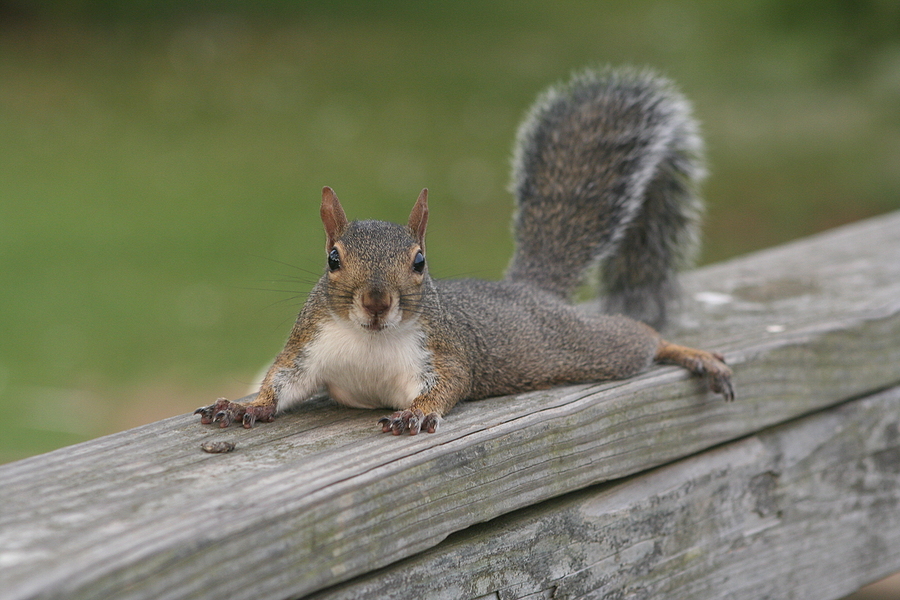
Seeing a squirrel dart across your lawn can be a pleasant sight, but hearing one scratch inside your walls brings an immediate sense of dread. While these acrobatic animals thrive outdoors, they often seek the warmth and safety of our homes when temperatures drop or predators loom. Once inside, they can quickly turn a comfortable house into a disaster zone.
A squirrel infestation represents a serious threat to the safety and structural integrity of your property. These relentless chewers can tear through wood, shred insulation, and gnaw on electrical wiring. Leaving the problem unaddressed often leads to steep repair bills, fire hazards, and significant health risks for your family.
Learning how to properly handle this situation is crucial for maintaining a safe living environment. This guide will help you identify the common signs of an invasion, assess the resulting destruction, and take the necessary steps to repair squirrel damage effectively.
Identifying Squirrel Damage: Common Signs and Where to Look
Catching an infestation early can save you thousands of dollars in repairs. Squirrels are highly active creatures, and they leave distinct clues behind when they move into your home.
Chewing and Gnawing
Squirrels have teeth that never stop growing, which means they must constantly chew to keep them filed down. Check your roofline, fascia boards, soffits, and attic vents for fresh gnaw marks. Because their teeth are incredibly strong, you might even find bite marks on plastic piping or aluminum fixtures.
Droppings and Urine Stains
Where wildlife nests, waste accumulates. Squirrel droppings look somewhat similar to mouse droppings, but they are larger, barrel-shaped, and lack tapered ends. You will typically find these droppings clustered near their nesting sites or entry points. You may also notice dark urine stains on your ceiling drywall or a strong, foul odor permeating from the attic.
Nests and Entry Points
All a squirrel needs is a hole the size of a golf ball (about 1.5 inches) to squeeze into your house. Inspect the exterior for damaged shingles or torn vent covers. Inside the attic, look for large, messy nests constructed from shredded insulation, leaves, twigs, and bits of paper or fabric.
Assessing the Extent of the Damage
Before you can begin any repairs, you must determine exactly how much destruction these animals have caused. Do not attempt to fix anything until you are certain the squirrels have been humanely evicted from the premises.
Structural Damage
Take a close look at the wooden components of your attic and roof. Squirrels will often chew through rafters, floorboards, and roof decking to expand their living space or create new escape routes. Weakened structural beams can compromise the safety of your roof and eventually lead to severe water leaks.
Electrical Wiring Concerns
Perhaps the most alarming consequence of a squirrel infestation is compromised electrical wiring. According to the National Fire Protection Association, rodents are responsible for up to 25% of house fires with unknown origins. Inspect your attic for exposed wires, frayed cables, or sudden electrical shorts in the house.
Insulation Contamination
When squirrels build their nests, they tear up fiberglass and cellulose insulation. This leaves your home less energy-efficient, driving up your heating and cooling costs. Furthermore, the insulation becomes heavily soiled with feces and urine, creating a biohazard that can circulate harmful bacteria through your HVAC system.
Step-by-Step Guide to Repairing Minor Squirrel Damage
If the damage is localized and minor, experienced homeowners can handle the cleanup and repair process. Always wear thick gloves, a respirator mask, and protective eyewear to protect yourself from airborne diseases.
Sealing Entry Points
The first step to squirrel damage repair is ensuring no other animals can get inside. Clean the area around the exterior hole thoroughly. Patch the opening using sturdy materials like galvanized steel mesh or heavy metal flashing. Squirrels will easily chew through plastic, wood, or spray foam, so stick to durable metal barriers. Seal the edges with a high-quality, weatherproof caulk.
Cleaning and Sanitizing Damaged Areas
Remove all nesting materials, feces, and contaminated debris by hand or with an industrial vacuum. Once the solid waste is gone, spray the entire area with a strong, enzyme-based disinfectant. This kills lingering bacteria, eliminates disease risks, and neutralizes the odors that might attract other wildlife to your home.
Replacing Damaged Materials
Dispose of any compressed or soiled insulation and replace it with fresh material to restore your home’s energy efficiency. If the squirrels gnawed minor holes in non-structural drywall or baseboards, use standard patching compound to smooth out the surfaces before repainting.
Preventing Future Squirrel Damage
Repairing the damage is only half the battle. You must proactively protect your home to stop new families of squirrels from moving in next winter.
Pruning Trees and Securing Outdoor Areas
Squirrels are incredible jumpers and often use tree branches as a bridge to your roof. Trim all tree limbs so they rest at least eight to ten feet away from your exterior walls. Additionally, move bird feeders away from the house and store pet food in heavy-duty, airtight containers.
Regular Home Maintenance and Inspections
Walk around the perimeter of your home at least twice a year, paying close attention to the roofline, chimney, and siding. Replace weatherstripping, upgrade to heavy-duty metal vent covers, and fix loose shingles immediately.
Professional Wildlife Exclusion Services
If you live in an area with a high squirrel population, consider hiring experts to install permanent exclusion barriers. They can reinforce your home’s weak points with specialized materials designed specifically to keep agile rodents out.
When to Call the Professionals for Squirrel Damage Repair
While minor patching and cleaning can be a weekend project, certain types of damage require specialized expertise.
Extensive Structural Damage
If squirrels have chewed through load-bearing roof beams, rafters, or extensive sections of roof decking, you need a professional squirrel control service. Improper structural repairs can lead to roof collapses or hidden water damage down the road.
Electrical System Compromises
Never attempt to fix chewed electrical wiring on your own. A licensed electrician must assess and replace any compromised wires to eliminate the risk of a house fire.
Health Risks and Biohazard Cleanup
Large accumulations of droppings carry serious diseases like leptospirosis and salmonella. If your attic is heavily contaminated, professional biohazard cleanup teams have the proper protective gear and industrial-grade chemicals to sanitize the space safely.
Persistent Infestations
If you patch a hole and the squirrels immediately chew a new one next to it, you are dealing with a persistent infestation. Wildlife control experts know how to humanely trap and relocate the animals before implementing foolproof exclusion methods.
FAQ Section
Does homeowners insurance cover squirrel damage?
In most cases, standard homeowners insurance policies classify rodent damage as a preventable maintenance issue, meaning they will not cover the cost of repairs. However, if a squirrel chews a wire and causes a fire, the resulting fire damage is usually covered.
What materials are best for sealing squirrel holes?
Always use galvanized steel mesh, aluminum flashing, or sheet metal. Squirrels can easily chew through expanding foam, plastic vent covers, and wooden boards.
Are squirrel droppings dangerous to clean up?
Yes. Squirrel waste can harbor bacteria, parasites, and diseases. Always wear a respirator mask, long sleeves, and heavy gloves when cleaning up animal waste to prevent inhaling harmful particles.
Protecting Your Home Long-Term
Handling a wildlife intrusion requires patience, thoroughness, and a commitment to safety. By promptly identifying the signs of a breach, safely sanitizing the affected areas, and fortifying your home’s exterior, you can reclaim your space. Protecting your property from wildlife ensures your home remains a safe, comfortable, and hygienic environment for your family.
If the destruction is simply too much to handle on your own, help is available. For professional squirrel damage repair in Indianapolis, Indiana, trust our team to restore your property. From attics to crawl spaces, we provide comprehensive animal damage restoration and cleanup for homes and businesses. Request a free quote today and let us secure your home for good.
Related Post: Squirrels in Your Attic? Here’s What to Do