As the temperatures drop across Indiana and the first frost settles on the cornfields, we aren’t the only ones retreating indoors. While you are turning up the thermostat and pulling out the heavy blankets, the local wildlife is eyeing your home as the perfect winter resort. It starts with a scratching sound in the wall or a tipped-over trash can, but before long, an uninvited guest can turn into a full-blown infestation.
For Indiana homeowners, the transition to winter often signals the start of a battle against nature’s opportunists. Dealing with wildlife isn’t just about protecting your property value; it’s about maintaining a safe and healthy environment for your family. Understanding why these animals intrude and how to ethically and effectively manage them is the first step toward a pest-free winter.
Why Critters Seek Shelter in Your Home
It’s not personal; it’s survival. When the Indiana winter hits, natural food sources like berries, seeds, and insects become scarce, and freezing temperatures pose a lethal threat to small mammals. Your home offers the three things every wild animal desperately needs: warmth, food, and protection from predators.
Attics, basements, and crawl spaces mimic the hollow trees and burrows these animals would naturally seek out. Unfortunately, once they establish a nest inside, they rarely leave on their own. The consistent temperature of your home allows them to stay active and reproduce throughout the colder months, potentially leading to rapid population growth if left unchecked.
Common Winter Invaders in Indiana
While many animals hibernate or migrate, several species remain active and troublesome throughout the Hoosier winter.
Mice and Rats
Rodents are the most common winter intruders. According to the CDC, a mouse can squeeze through a hole the size of a pencil (about 1/4 inch). Once inside, they are prolific breeders. Beyond the “ick” factor, rodents pose serious health risks, carrying diseases like Hantavirus and Salmonella. They are also notorious for chewing through electrical wiring, which can create a significant fire hazard.
Squirrels
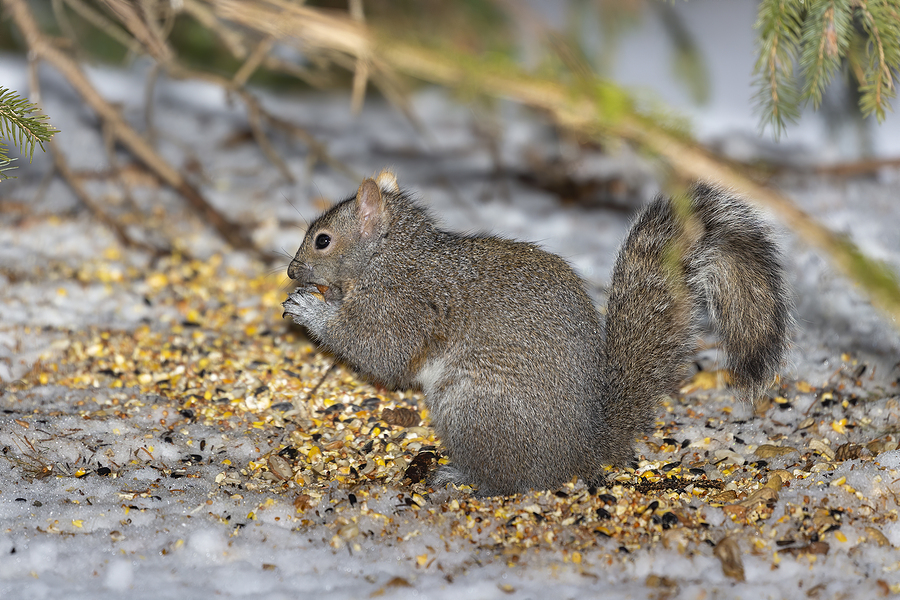
The Eastern Gray Squirrel and Fox Squirrel are prevalent across the state. While they are fun to watch in the park, they are destructive houseguests. They often enter through roof vents or eaves to nest in insulation. Their teeth grow continuously, driving them to gnaw on structural wood and siding to keep them filed down.
Raccoons
Raccoons are intelligent, strong, and persistent. Unlike mice, they don’t need to squeeze through tiny gaps; they are capable of ripping off shingles or fascia boards to force their way into an attic. Once inside, they cause extensive damage by trampling insulation and leaving behind significant amounts of waste that can harbor parasites like roundworm.
Strategies for Prevention
The most effective method of critter control is keeping them out in the first place. By “hardening” your home’s exterior, you can force wildlife to look elsewhere for shelter.
Seal Every Entry Point
Inspection is key. Walk the perimeter of your home and look for any gaps, cracks, or holes.
- Small gaps: For holes small enough for mice, the CDC recommends filling them with steel wool and sealing them in place with caulk. Rodents can chew through foam and plastic, but steel wool hurts their teeth.
- Large openings: Use heavy-duty hardware cloth (wire mesh) to cover attic vents and chimney openings. Ensure that all repair materials are rust-resistant to withstand Indiana snow and ice.
Manage Your Landscaping
Tree limbs acting as bridges to your roof are a common oversight. Trim back any branches that hang over your roofline to cut off easy access for squirrels and raccoons. Additionally, keep shrubbery near the foundation well-trimmed to remove hiding spots for rodents waiting to dash inside.
Secure Food Sources
Don’t offer a free buffet. If you feed birds, consider pausing during the height of infestation season, or install squirrel guards. Store pet food in metal containers with tight-fitting lids, and never leave pet bowls outside overnight. Ensure your garbage cans are heavy-duty and secured against raccoons, who are dexterous enough to open simple latches.
Schedule a Free Wildlife Control Inspection Today ✏
The Humane Approach to Animal Removal
If you discover animals are already inside, eviction must be handled carefully. It is important to balance protecting your home with treating wildlife ethically.
Legal Considerations in Indiana
Before you set a trap, you need to know the rules. According to the Indiana Department of Natural Resources (DNR), resident landowners can generally capture nuisance animals like raccoons and squirrels without a permit if they are causing property damage. However, there are strict regulations on what happens next.
- Relocation limits: If you catch an animal, Indiana law requires that you release it within the same county where it was captured. You also must have permission from the landowner where you release it.
- Possession limits: You cannot keep a captured wild animal for more than 24 hours.
Why Relocation Isn’t Always the Answer
While trapping and releasing sounds like the kindest option, it can be tough on the animal. Relocated animals often struggle to find food and shelter in unfamiliar territory, especially in winter. Furthermore, moving animals can spread disease to new populations. In many cases, “exclusion”—installing one-way doors that allow animals to leave but not re-enter—is the most humane and effective long-term solution.
When to Call the Professionals
While a stray mouse might be a manageable DIY project, some situations require expert intervention. You should consider calling a professional wildlife control service if:
- The animal is aggressive or potentially dangerous: Raccoons and cornered rats can bite and transmit diseases like rabies.
- The infestation is in a hard-to-reach area: Attempting to remove animals from a steep roof or a tight crawl space can be physically dangerous.
- There are babies involved: Evicting a mother raccoon while leaving her kits behind is cruel and can lead to the mother causing extreme damage trying to get back to them. Professionals know how to check for and remove families together.
Conclusion
Winter in Indiana is beautiful, but it brings challenges that require vigilance. By understanding the behavior of local wildlife and taking proactive steps to seal your home, you can prevent damage and keep your family safe. Remember that wildlife control is not just about removal; it is about exclusion and prevention.
If you hear scratching in your attic or spot signs of intrusion, don’t wait for the problem to multiply. Prompt action saves money and stress in the long run.
Need help reclaiming your home? If the critters have already claimed your space, don’t tackle it alone. Contact our team for professional wildlife control and animal-proofing services in Indianapolis today. We specialize in humane removal and comprehensive repairs to ensure your home stays warm, safe, and pest-free all winter long.
Related Post: Winterizing Your Home Against Unwanted Critters in Indiana