
If you live near a pond, canal, or shoreline, muskrats may already be closer than you think. These semi-aquatic rodents build burrows and lodges near water, and their presence often goes unnoticed until the damage is done. Left alone, muskrat activity can erode banks, weaken dams, and destroy the landscaping you’ve worked hard to maintain.
This guide walks you through the clearest signs of muskrat activity, the damage patterns they leave behind, and when it’s time to bring in a professional. Whether you’ve spotted a mysterious burrow or just want to stay ahead of the problem, you’ll find practical, actionable information here.
Signs of Muskrat Activity on Your Property
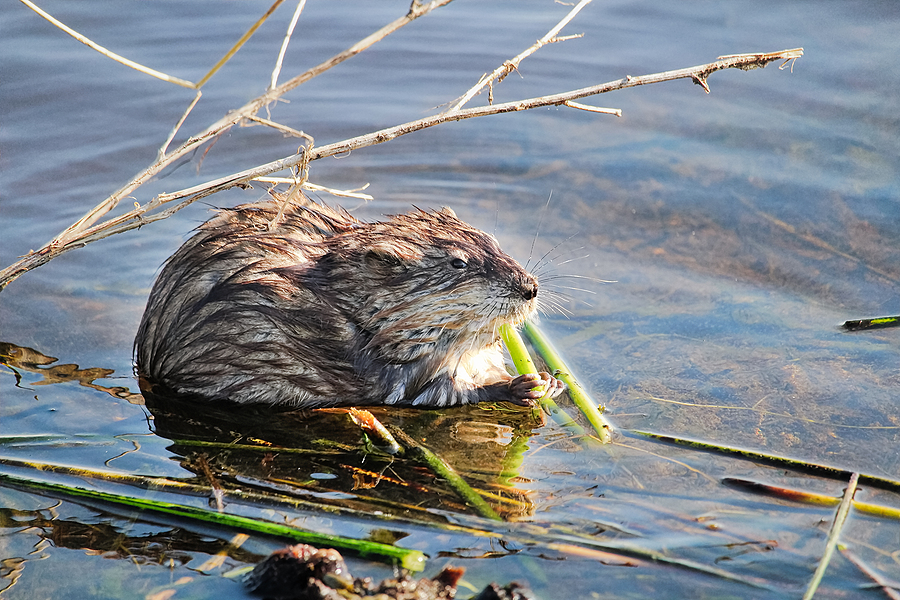
Muskrats are smaller than beavers, with a long, narrow, scaly tail rather than a broad, flat paddle tail. Unlike beavers, which gnaw wood and fell trees, muskrats feed primarily on aquatic plants like cattails. That difference in diet and behavior leaves behind a distinct set of clues.
Visible Burrows and Tunnel Systems
The most obvious sign is a burrow dug directly into a pond bank or shoreline. Muskrats create tunnel systems with entrances usually located at or just below the waterline, making them easy to miss at a glance but dangerous to overlook. These burrows can extend several feet into the bank, weakening the soil structure as they go.
Damaged Vegetation and Chewed Plant Material
Keep an eye out for cut stems and feeding signs around the water’s edge. Muskrats browse heavily on aquatic vegetation, and their feeding can strip away cattails and other desirable plants that help stabilize your pond’s ecosystem.
Musky Odor Near Water Areas
A distinct, musky scent near your pond or canal often signals active muskrat presence. This odor comes from scent glands the animals use to mark territory, and it tends to be more noticeable near burrow entrances and feeding areas.
Muskrat Droppings and Fecal Pellets
Small, dark droppings near the shoreline or on partially submerged logs and rocks are another telltale sign. Muskrats often use the same spots repeatedly, so a concentration of droppings in one area usually points to a nearby burrow or lodge.
Muskrat Damage Patterns to Watch For
Spotting activity is one thing—understanding the damage it causes is another. Muskrat burrowing and feeding habits can create problems that go well beyond cosmetic concerns.
Erosion Along Pond and Canal Banks
Burrowing weakens the soil along banks and shorelines, which can lead to erosion over time. This not only threatens the structural stability of the bank itself but can make the area around your pond unsafe for walking or mowing.
Impacts on Landscaping and Garden Plants
Muskrats don’t limit their feeding to the water’s edge. Landscaping near ponds and canals, especially moisture-loving plants, can suffer as muskrats expand their foraging range in search of food.
Structural Damage to Dams and Water Control Systems
In more severe cases, extensive burrowing can compromise the structural integrity of earthen dams that create man-made ponds. Muskrats may also chew on fountain cables and rubber aeration airlines; when cables are chewed down to bare wire, it can create a short-circuit risk. Protective sleeves on cables can help reduce this hazard. Muskrats can also build dam-like structures from vegetation and mud, which may cause fluctuations in water levels.
Distinguishing Muskrat Damage From Other Wildlife
Muskrat damage is often confused with beaver activity, but the two leave different clues. Beavers fell trees and gnaw through wood, leaving behind chewed stumps and wood chips. Muskrats, by contrast, focus on aquatic vegetation and rarely touch trees.
If you’re seeing gnawed wood rather than cut plant stems, you’re likely dealing with a different species altogether.
When to Call a Professional for Muskrat Removal
Some muskrat activity can be managed with simple habitat adjustments, but other situations call for expert intervention.
Signs That Indicate a Larger Infestation
Multiple burrow entrances, significant erosion along a bank, or repeated vegetation loss despite your efforts are all signs that the problem has grown beyond a single animal. A larger infestation requires a more coordinated approach than spot fixes.
Risks of Attempting DIY Removal
DIY trapping comes with real risks. Local regulations often govern how and when muskrats can be trapped, and incomplete removal can allow the population to rebound quickly. Working near unstable banks also carries safety concerns, particularly if erosion has already begun.
Benefits of Professional Muskrat Control Services
A professional wildlife control service brings the experience and tools needed to address the root of the problem, not just the visible symptoms. If muskrat activity on your Indianapolis-area property has you concerned about erosion, landscaping damage, or dam integrity, Modern Wildlife Control offers professional muskrat removal services tailored to your situation. Reaching out early can prevent a manageable issue from becoming a costly repair.
Seasonal Muskrat Behavior Throughout the Year
Muskrat activity shifts with the seasons, which can help you anticipate when to watch most closely for signs of trouble.
Spring and Summer Activity Levels
Muskrats are typically most active in spring and summer, when food is abundant and breeding activity increases. This is often when burrowing and feeding damage becomes most noticeable.
Fall Preparation and Burrow Expansion
As temperatures drop, muskrats expand and reinforce their burrows and lodges to prepare for winter. This is a common time to notice new tunnel entrances or fresh digging along the bank.
Winter Patterns and Survival Strategies
In late autumn and early winter, muskrats chew holes through thin ice as ponds begin to freeze, creating structures known as “push-ups” that provide access to air and food beneath the ice. Activity slows during the coldest months, but muskrats remain active beneath the surface, relying on stored food and their burrow systems to survive.
Frequently Asked Questions
How do I know if it’s muskrats and not beavers?
Look at the tail and the damage pattern. Muskrats have a long, narrow, scaly tail, while beavers have a broad, flat, paddle-shaped tail. Beavers gnaw and fell trees, leaving wood chips and chewed stumps behind. Muskrats feed on aquatic plants like cattails and rarely touch wood.
What time of year are muskrats most active?
Muskrats are generally most active during spring and summer months, when breeding and feeding activity peak. They remain active through fall as they prepare their burrows for winter, and continue limited activity beneath the ice during colder months.
Can I remove muskrats myself?
DIY removal is possible but comes with risks, including local trapping regulations, safety hazards near unstable banks, and the chance of incomplete removal that allows the population to return. For larger or recurring issues, professional removal is typically more effective.
How much damage can muskrats cause?
Muskrat damage ranges from minor vegetation loss to serious structural concerns. Burrowing can erode pond banks and, in severe cases, compromise the integrity of earthen dams. Chewed cables and airlines can also create electrical hazards around water features.
Catching Muskrat Activity Early Protects Your Property
Burrows along the bank, chewed vegetation, a musky scent near the water, and droppings near the shoreline are the clearest signs that muskrats have moved in. Catching these signs early gives you the best chance to address the problem before erosion, landscaping damage, or structural issues take hold.
If you’ve noticed signs of muskrat activity on your Indianapolis, Indiana property, don’t wait for the damage to spread. Contact Modern Wildlife Control today for professional muskrat removal services and protect your pond, landscaping, and water control systems for the long term.
Related Posts:
Safeguarding Your Indiana Pond from Muskrats
What You Should Know about Muskrats Before Trying to Remove Them Yourself
How to Get Rid of Muskrats