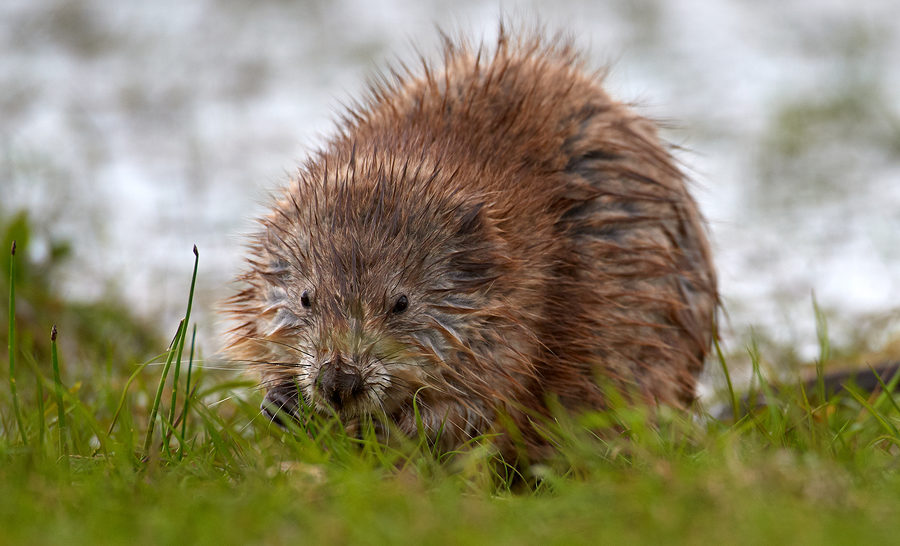
If you live near a slow-moving or standing body of water, such as a pond or creek, it is very likely that you have spotted a muskrat or two before. These rodents, although cute as a button and closely resembles your kid’s pet guinea pig, they are highly destructive to lawns this time of year.
Continue reading to learn some common signs of a muskrat problem, and what you can do to safely stop them from damage your property from now on.
Indianapolis Muskrat Removal and Control 317-847-6409
Top Signs That Suggest Muskrats are Nearby
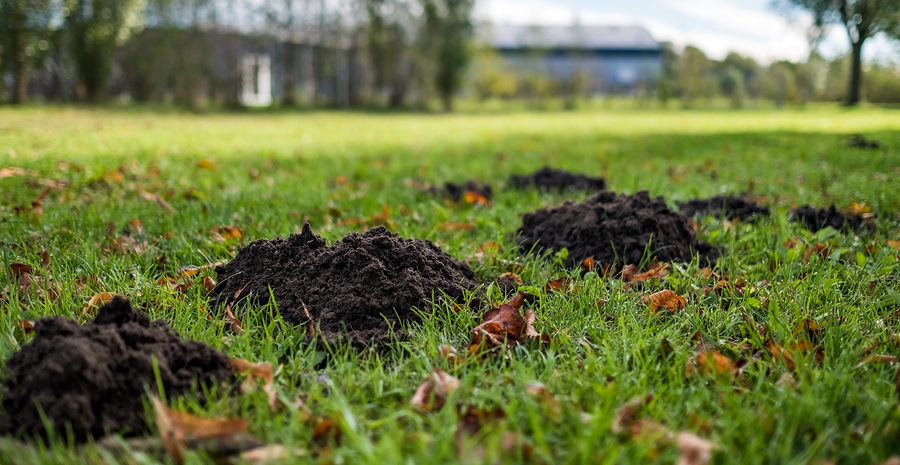
The most common sign that muskrats are invading your premises are dirt mounds. If you see large clumps of dirt in your lawn, particularly close to the water’s edge or bank, it is likely that a muskrat has dug that up. These semi-aquatic creatures are known for building their dens near the banks of slow-moving or standing bodies of water. In the process, they dig up large mounds of lawn while burrowing into these banks. As a result, your lawn looks like it has tiny land mines buried all over the place.
Garden Protection
In some cases, muskrats can also pose problems for gardens. They will wander a bit further away from the safe haven of their water source if there are lush gardens to rummage through. Muskrats are omnivores just like us, which means they eat a variety of foods, from meats and grains, to fruits, vegetables, legumes, and more. So, whatever you have growing in the garden for you will also be a tasty treat for an invasive muskrat.
Tips for Mitigating Muskrat Activity
If you have done some research on the topic already, you have probably come across muskrat traps for sale. Although these devices and products are sold, the wildlife intervention industry highly advises AGAINST using them. Nuisance wild animals like muskrats should never be touched, trapped, tampered, harmed, or killed under any circumstances unless the proper permits are in order and all state and federal laws governing wildlife control are obeyed. This means that only a professional wildlife removal and control company should mange nuisance muskrat problems for homeowners.
If you notice signs of muskrat damage, your first and only step is to contact a licensed and insured wildlife removal and control company for safe and humane extraction and exclusion. They will safely extract any muskrats, and then implement the necessary steps to prevent further wildlife intrusion on your property.
Indianapolis Muskrat Removal and Control Services
Call Modern Wildlife Control at 317-847-6409 for safe and humane wildlife removal and control services for muskrats in Indianapolis, Indiana. We are DNR licensed and insured animal control professionals with decades of experience in the wildlife removal industry. Our professional wildlife control operators use safe and humane methods to remove muskrats from properties. For the fastest and most affordable muskrat removal in Indianapolis, call 317-847-6409 and talk to a licensed wildlife control specialist today.
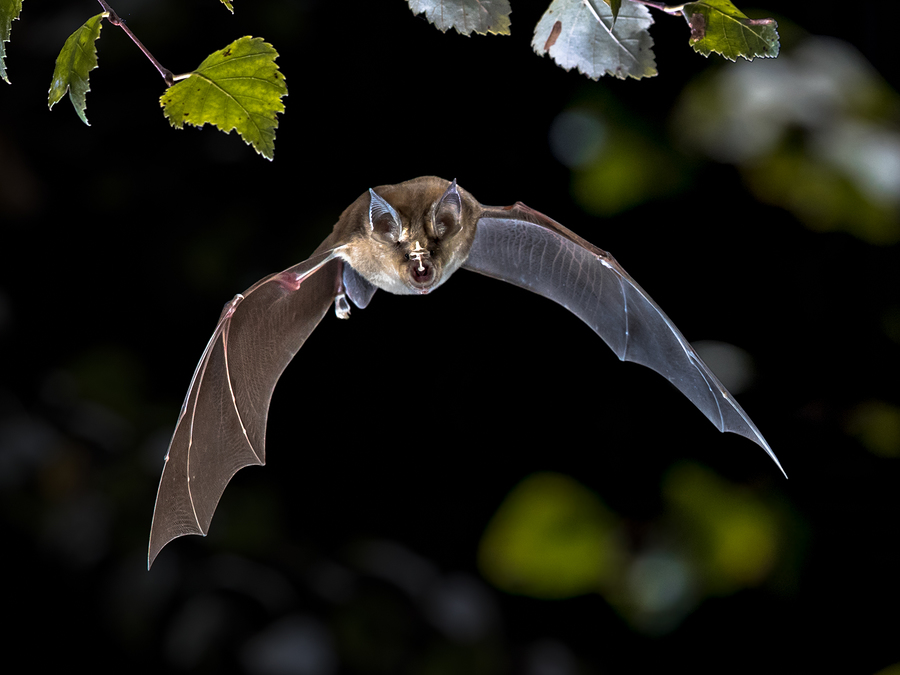
Bats are incredible mammals that do a lot for us. But they are also quite dangerous and destructive. Although this sounds a bit contradictory, you will soon discover what bats are capable of by reading through these basic facts about bats and bat removal.
Indianapolis Bat Removal Service 317-847-6409
There are Megabats and Microbats.
There are two primary orders in the scientific classification of bats: Megachiroptera and Microchiroptera, informally referred to as megabats and microbats. Megabats are also known as Fruit bats, Old World Fruit Bats, and Flying Foxes, as many species indeed resemble a fox that flies. Megabats live in tropical and subtropical regions of the world, and primarily eat the nectar of fruits and flora. Microbats are small, eat insects, and use echolocation to better dart and dive for prey. Microbats are found all over the world in virtually all regions.
Bats are the Only Flying Mammal
Not only are bats mammals, they are the only mammal capable of true flight. This means that bats can truly fly, just like birds. No other mammal can do that. Other mammals simply soar, float, or glide on air currents. Bats, however, can take flight instantly, wherever they want, and remain in flight so long as their endurance and strength allow them. That is a pretty impressive attribute!
Bats Can Carry and Transmit Diseases
Not all bats are infected with transmissible disease, but they are known to be common carriers of several. One of the most dangerous and disparaging is the Rabies Virus, which is 100% fatal once contracted. Others include Histoplasmosis, Leptospirosis, salmonella, ticks, lice, mites, and parasites.
Bats Can Squeeze Through a Hole as Small as 3/8th of an Inch
In our region of the world, bats are very tiny. So tiny that they can squeeze through an opening as little as 3/8th of an inch. With this incredible ability and privilege, bats are often found roosting in our attics, crawl spaces, and wall voids. Common entry points for bats include crumbling mortar, rotted door frames, loose siding, missing or loosened roof shingles, soffits, vents, and chimneys.
Bats are Messy and Highly Destructive
Bats, whether they gain access indoors or not, are capable of causing extensive structural damage to the interior and exterior of a property. Even if bats never make it inside around the living quarters of the home or building, the exterior damage they cause can lead to interior damages, like urine stained ceilings and lingering odors. Common types of damage include attic insulation and floorboard saturated with urine and feces, as well as, odors, mites, ticks, lice, and more.
You Can Safely Get Rid of a Bat Problem
The only way to get rid of a nuisance bat problem is to contact a local wildlife control company for professional and safe bat removal and control services. They have the proper permits and resources to safely remove bats, clean up after them, and prevent their return. Never, under any circumstances, attempt to touch, trap, harm, or kill a bat.
DNR Licensed Indianapolis Bat Removal and Control You Can Trust
Call Modern Wildlife Control at 317-847-6409 for DNR licensed bat removal and control services in Indianapolis, Indiana. Our qualified professionals offer a wide range of wildlife control services, but specialize in bat abatement. Best of all, we also offer cleanup services and restoration and repair for animal damages, and can even provide insurance claim work. Start with a free estimate or advice, today!
What is a nuisance animal? If you don’t know how to describe
one, you certainly won’t know how to watch out for them. Fortunately, you are
in the perfect place to learn everything you need to know about nuisance animal
removal and control. Continue reading to get started!
Indianapolis Wildlife Removal and Control 317-847-6409
Nuisance Wildlife in Indiana
A nuisance animal is just that; a wild animal that is a pest
or annoyance to you, your loved ones (including pets), and/or your property.
The most common nuisance species in Indiana are bats, raccoons, opossum, moles,
birds, squirrels, chipmunks, skunks, beavers, groundhogs (woodchucks), voles,
foxes, rabbits, snakes, and even coyotes.
So how do you know if you have a nuisance animal threat
around your house? The first full-proof evidence is where you live. Those who
live near wooded lots, forests, or bodies of water such as rivers, lakes,
ponds, and even creeks, are more prone to nuisance animal interference than
homes in the middle of flat, dry land, or in the city. If you live in an area
that provides this access to water, food, and shelter, you can safely assume
that there are wild animals surrounding your home. Now all you have to do is
pinpoint the signs of their activity in order to stop them from becoming a
costly problem or safety threat.
Signs of Nuisance Animal Activity
No matter what time of year it is, wild animals are in
action all around us. Even in winter, animals can prove to be a major pest,
especially if they choose your attic or other area of your home as their nest. In
the case of an infestation, you will also be faced with invasive and costly
structural repairs and bio-hazard cleanup. The signs of nuisance animal activity
can vary from season to season, but most often, you can determine whether or
not your property is being visited by wildlife by looking for these common
signs:
Animal Sightings – If you actually see wild animals around your property, whether on a regular basis or just a lone raccoon spotting, you can assume that your house is a nuisance animal target. Animals like raccoons and bats are often spotted at night, while you might see squirrels and rabbits during the day.
Paw Prints and Tracks – You can see animal tracks very well in the winter during times of snow. Otherwise, focus your attention on wet paw prints on pavement, or impressions in mud or dirt. This is a sure sign that animals are lurking around. Just be sure it’s not a neighbor’s pet!
Scat and Droppings – If you see animal poo around your house, you can assume you have nuisance animals nearby. Look up different types of animal scat to identify the precise species at play. Many types of scat can look similar, such as mouse and bat droppings.
Structural Damage – If you see torn siding, ripped screens, mole mounds, pillaged gardens, gnaw marks, and similar types of damage, you might have a wild animal close by. Such animals capable of this type of damage include raccoons, squirrels, chipmunks, and skunks.
Foul Odors – Lingering foul odors around certain areas of your property is a prime indication of wild animal presence. Coyotes could be marking your lawn if you have a dog, or it could be a long-term infestation containing mass urine and dropping accumulations.
If you are not sure whether or not your property is prone to nuisance animal interference, contact a licensed Indiana wildlife control company for inspections, free advice, and animal control service.
How to Manage Nuisance Wildlife
In order to protect your property from nuisance wildlife tampering
and safety threats, you must remove all attractions that they want. This is basically
anything they can use as food, water, or shelter. Remove garbage cans, pet food,
bird baths, koi ponds, squirrel feeders, and additional objects to thwart wildlife
from trespassing. Next, you will need to have your home inspected, and if
needed, sealed up, to prevent animal intrusions.
Who to Trust for Indianapolis Animal Removal and Control
Call Modern Wildlife Control at 317-847-6409 to solve your nuisance animal problems and concerns at a price you can afford. Our DNR licensed and insured animal rescue and removal professionals offer non-lethal wildlife control services in Indianapolis, Indiana and its surrounding counties. We work with all species of Indiana wildlife, but specialize in raccoons, bats, birds, and squirrels. We also offer cleanup services and restoration and repair for animal damages, and can even provide insurance claim work. Start with a free estimate or advice, today!
Wild animals are much like us in that they prefer to stay at a comfortable climate. Although we have the luxury of warming up inside with our central heating systems, animals are not as lucky. However, they are smart, and quite resilient. They know exactly where to look and what to do to stay safe and warm all winter long.
To learn where some of your favorite local wildlife hangout, and how it might affect your property, continue reading below!
Indianapolis Animal Removal Service 317-847-6409
Trees
Many species of animal rely on trees for shelter. Whether
inside a self-built nest atop the branching canopies, or within a hallowed
tree, it is a common winter home for both animals and simpler living organisms.
Common species of wild animals that use trees for winter shelter include bats,
squirrels, chipmunks, raccoons, and of course, birds. Sometimes, you will find opossum
sleeping in a tree.
Dens and Burrows
Dens, burrows, underground tunnels, and similar subterranean hideouts are a common shelter for native wildlife in the winter. Generally, the animal will build or dig their own den, but sometimes, they will simply repurpose an old or abandoned one. Common species of animal that use dens for winter shelter include foxes, deer, coyotes, beavers, muskrats, skunks, moles, rabbits, moles, voles, and groundhogs.
Caves
Although you might not be aware, Indiana is home to several cave systems. These caves, mostly located in Southern parts of the state, are the perfect winter hibernation spot for all sorts of animals. Common species that gravitate toward caves when temperatures drop include coyotes, bats, foxes, wolves, bobcats, and deer.
Attics
Yes, attics are a common area targeted by native Indiana wildlife
for a means of shelter in the winter. Raccoons and bats in the attic are very
common for those who live near wooded areas or large bodies of water. Other
animals you might find hiding out in the attic include opossum, birds,
squirrels, and chipmunks. Chimneys and wall voids are also another cozy spot
they like to occupy for the season.
Indianapolis Animal Removal and Control
Call Modern Wildlife Control at 317-847-6409 for safe and humane animal removal services in Indianapolis, Indiana and its surrounding counties. We are DNR licensed and insured wildlife control operators with more than 30 years of hands-on experience. Trust us for prompt and professional animal extraction, exclusion, and cleanup. That’s right! We provide animal damage restoration and repair, and can even provide homeowners’ insurance claim work. Request a free estimate or advice, today.
Wild animals are all around us in Indiana. We are certainly
lucky to have such a thriving and abundant wildlife population in our state,
especially since we are not home to vast luscious forests and large bodies of water.
Although we appreciate our surrounding wildlife, it is important to keep them
at a safe distance, otherwise they might turn into a nuisance, which in turn
costs you money and even poses certain hazards.
If you live on or near a property with trees and water, you
are at an even higher risk of nuisance animal interference. For homes with pets
and young children, this is something to cause concern. Fortunately, there are
several safe and humane methods for protecting your property from animal exposure
and damage, as well as, removing infestation from inside your home or
structure.
To begin your learning curve of animal removal and control, continue
reading to review some frequently asked questions and answers professional
trappers get from their clients.
Indianapolis Animal Removal and Control 317-847-6409
What is Animal Removal and Control Service?
Animal removal refers to the physical extraction of an
animal or infestation inside a house, building, or other structure (i.e. barn,
shed, garage, etc.). In order to achieve this task safely and humanely, and without
using lethal methods, licensed trappers will use a combination of exclusion science
and traps to remove or get rid of an animal.
Animal control refers to the task of reducing, managing,
preventing, or thwarting nuisance animal activity. This is often achieved with
exclusion sciences and techniques, as well as, environmental modification and monitoring,
on-site technologies, and more.
What are the Most Common Nuisance Animals in Indiana?
The most common types of nuisance wildlife here in Indiana include
bats, raccoons, squirrels, muskrats, moles, birds, chipmunks, opossum, skunks,
beavers, groundhogs (woodchucks), voles, coyotes, foxes, snakes, and rabbits. Other
types of nuisance animals that animal control professionals do not work with
include stray cats and dogs, and waterfowl like ducks and geese.
What are the Signs of an Animal Infestation?
The signs of an animal infestation will vary depending on
the location of the infestation and the type of animal. Bats are often
discovered when their guano is found sitting on the ledges of windowsills and
door frames. Hearing strange sounds coming from the walls, ceiling, or chimney
is another common indicator of an animal infestation. Additional signs include
strange or lingering odors, torn insulation, scratches or physical signs of damage,
stains on walls or ceilings, rotting food debris, and pest outbreaks (i.e. lice,
mites, ants, fleas, gnats, flies, etc.).
What Risk to Wild Animals Pose to My Property?
Animals that are not welcome on your property can cause a
lot of damage if they find access. Not only can some nuisance wildlife tear up
lawns and gardens in search of grubs, others will tear up garbage, rip open window
screens, tear off roof shingles and siding, defecate all over patios and other
structures, and much more. The potential for animal damage is exponential; the
longer you have an infestation or issue, the more damages will add up. Not all
damages are covered by homeowners’ insurance, so be sure to always act fast and
stop a nuisance animal problem as soon as possible.
Do Wild Animals Spread Disease?
Yes, animals are common carriers of all sorts of transmissible
diseases. Some of the most common include lice, mites, ticks, and fleas. However,
wild animals can carry and pass on several serious diseases as well, such as
Rabies, Distemper, Parvo, Leptospirosis, roundworm, and more. If you have wild
animals near your property, be sure your curious pets are properly vaccinated
at all times. Some diseases, like Rabies, are 100% fatal if contracted.
What Do I Do if I Find a Dead or Abandoned Animal on My
Property?
If you find a dead, orphaned, or injured animal on your property,
never attempt to touch it or keep it as a pet under any circumstances. Not only
would it be incredibly inhumane and illegal, as mentioned, animals carry diseases
that can spread to both people and pets. You do not want to expose your family
or pets to such dangers. Instead, as soon as you find the animal, block it off
from pets and people. Place a fence or gate around it, or mark its location
with cones or some other indicator.
Once the animal is segregated, wait a day or two. In most
cases of baby animals, the mother is just off looking for food or shelter, and
will be back soon. If the animal is blatantly injured, or still there after a day
or two, you can try to move it yourself. Use a shoebox to cover it up, and then
slide a sturdy piece of paper (like a folder) underneath to trap the animal inside.
Then move the animal to a faraway woodland location where nature can take its
course. The best thing to do is contact a local Indianapolis wildlife removal
company for professional and humane service.
How Can I Keep Nuisance Animals Off My Property?
The best way to keep nuisance animals away from your property
is to get rid of, or restrict access to, all sources of food, water, and shelter.
These three things are what animals are after when they come to your property.
If you do not have food, water, or access to safe shelter for them, they will
simply look elsewhere. If you cannot fully eliminate these items from your property,
talk to a professional Indiana wildlife control company for help with specialized
techniques and approaches that will help abate nuisance animal damage and
dangers.
Indianapolis Wildlife Removal and Control
Call Modern Wildlife Control at 317-847-6409 to solve your nuisance animal problems and concerns at a price you can afford. Our DNR licensed and insured animal rescue and removal professionals offer non-lethal wildlife control services in Indianapolis, Indiana and its surrounding counties. We work with all species of Indiana wildlife, but specialize in raccoons, bats, birds, and squirrels. We also offer cleanup services and restoration and repair for animal damages, and can even provide insurance claim work. Start with a free estimate or advice, today!