As winter settles across Indiana, most of us retreat indoors to enjoy the warmth and comfort of our homes. Unfortunately, we aren’t the only ones looking for a cozy place to wait out the freezing temperatures. While many wildlife species in the Hoosier state hunker down in hollow trees or burrows, raccoons often view your attic, chimney, or crawlspace as the perfect winter lodge.
Hearing heavy footsteps in your ceiling or finding overturned trash cans in the snow can be more than just a nuisance; it often signals a wildlife intrusion that requires immediate attention. Raccoons are incredibly adaptable and intelligent, making them formidable houseguests that can cause significant property damage and pose health risks to your family. Understanding how to manage these clever mammals during the colder months is essential for maintaining a safe and secure home.
Understanding Raccoon Behavior in Winter
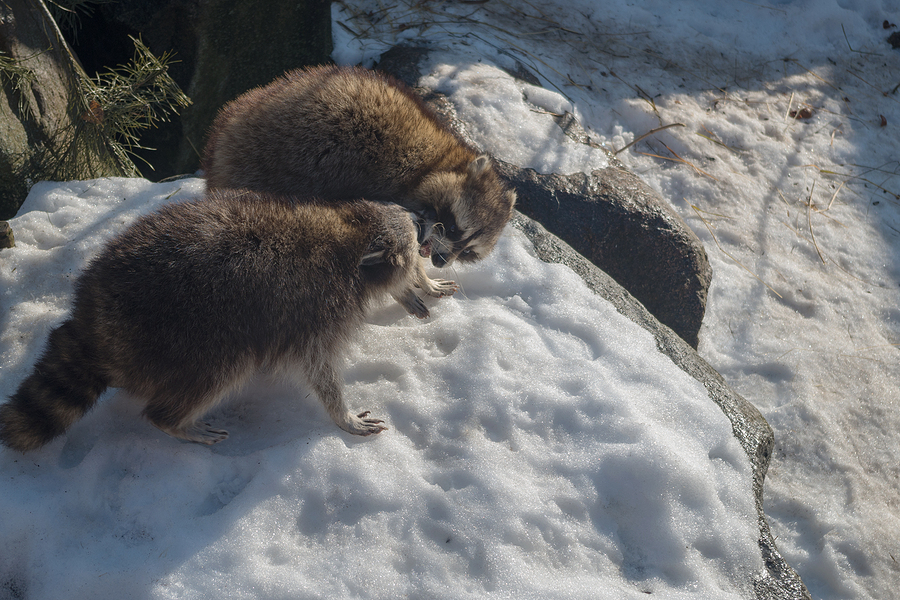
A common misconception is that raccoons hibernate like bears. In reality, raccoons enter a state known as torpor. This is a period of decreased physiological activity where they sleep for extended periods to conserve energy, but they can—and do—wake up.
The Myth of Hibernation
During Indiana’s coldest weeks, a raccoon might stay in its den for weeks at a time, living off stored body fat. However, during a mid-winter thaw or a stretch of milder days, they will venture out to forage for food. This unpredictable activity is why you might suddenly hear noises in your attic in January or February after weeks of silence.
Seeking Warmth and Shelter
In the wild, raccoons prefer hollow trees, ground burrows, or brush piles. But urban and suburban environments offer far superior accommodations. Your attic provides consistent warmth, protection from wind and snow, and safety from predators. Once a raccoon discovers a vulnerability in your home’s exterior—like a loose soffit or an uncapped chimney—they will exploit it to establish a winter den.
The Winter Mating Season
Another driving force for raccoon activity in winter is reproduction. In Indiana, the raccoon mating season typically begins in January or February. Male raccoons become more active as they search for mates, and females actively seek out secure, warm dens to raise their future litters. If a female raccoon establishes a den in your attic during winter, you may find yourself dealing with a mother and her babies (kits) come spring.
Raccoon Prevention for Homeowners
The most effective method of raccoon control is prevention. By making your property less attractive and harder to access, you can encourage raccoons to find shelter elsewhere.
Secure Food Sources
As omnivores, raccoons are opportunistic feeders. Even in winter, they are driven by the need to maintain their calorie intake.
- Trash Management: Store garbage cans in a garage or shed if possible. If they must stay outside, use animal-proof lids or secure the lids with bungee cords.
- Pet Food: Never leave pet food outside overnight. If you feed pets outdoors, remove any leftovers immediately after they finish eating.
- Bird Feeders: Spilled seed attracts rodents, which in turn attracts raccoons. Additionally, raccoons will eat the bird seed itself. Consider bringing feeders in at night or using baffles to prevent climbing.
Fortify Your Home’s Exterior
Raccoons are excellent climbers and have dexterous front paws that can pry open loose building materials.
- Inspect the Roof: Look for loose shingles, rotting fascia boards, or gaps in the soffits. Repair these immediately, as raccoons can tear small holes into much larger entry points.
- Install Chimney Caps: A chimney is an open invitation for a raccoon looking for a hollow “tree.” A sturdy, stainless steel chimney cap is a critical defense.
- Trim Vegetation: Overhanging tree limbs act as bridges to your roof. Keep branches trimmed at least six to eight feet away from your house to limit access.
Request a Free Raccoon Control Inspection in Indianapolis ✅
FAQs About Raccoons in the Attic
How can I tell if raccoons are in my attic?
Signs of raccoons in the attic include scratching or thumping noises, particularly at night, foul odors from their droppings or urine, and visible damage, such as torn insulation or chewed wires. You may also spot paw prints or greasy smudges near entry points.
Is it safe to remove raccoons on my own?
While it might seem straightforward, removing raccoons yourself can be dangerous. Raccoons may become aggressive if cornered, and they often carry diseases such as rabies or parasites. It’s best to consult a licensed wildlife removal specialist to handle the situation safely and humanely.
What should I do if I find baby raccoons in the attic?
If baby raccoons are present, avoid attempting removal on your own, as separating them from their mother can result in distress and complications. Professional wildlife removal experts are trained to handle situations involving offspring, ensuring their safe relocation.
Can sealing entry points trap raccoons inside?
Yes, sealing entry points without verifying that all raccoons have exited can trap them inside, leading to further damage and health risks. Using one-way exclusion devices allows raccoons to leave but prevents re-entry. Always inspect thoroughly before sealing.
How can I prevent raccoons from returning after removal?
To prevent a recurrence, seal all entry points properly, install chimney caps, trim overhanging tree branches, and eliminate potential food sources like unsecured trash or pet food. Routine home maintenance is key to deterring raccoons and other wildlife.
When to Call a Professional Raccoon Removal Service
While DIY methods are an option, winter raccoon control often poses challenges that are best handled by experts. If you are unsure about the legal requirements, uncomfortable handling wild animals, or dealing with a raccoon in a hard-to-reach area like a chimney, it is time to call a pro.
Licensed nuisance wildlife control operators like Modern Wildlife Control in Indianapolis have the training and equipment to handle these situations safely. They can:
- Inspect your home thoroughly to identify all entry points, including those you might miss.
- Use one-way exclusion doors, which allow raccoons to leave your attic to forage but prevent them from getting back in. This is often safer and more effective than trapping.
- Navigate the mating season complexities, ensuring that a mother raccoon isn’t separated from her dependent kits, which would be inhumane and lead to further problems.
- Handle the cleanup of biohazardous waste, ensuring your home is safe for your family.
Conclusion
Dealing with raccoons in the winter requires a balance of vigilance, understanding of animal behavior, and adherence to state regulations. While these animals are simply trying to survive the Indiana winter, your home is not the appropriate place for them to do so. By taking preventive steps to secure your property and acting quickly at the first sign of intrusion, you can protect your home from damage and your family from disease. Whether you choose to manage the issue yourself or hire a professional, the goal is the same: a warm, safe winter for you, and a return to the wild for the raccoon.
If you hear scratching in your walls or spot a raccoon frequenting your property, don’t wait for the damage to worsen. Contact our licensed wildlife removal specialists to schedule a comprehensive inspection. We can provide a tailored plan to humanely remove the animals and raccoon-proof your home for the future.
Related Post: Professional Coon Removal Tips for Homeowners