As the sun sets over Indiana, a different world comes to life. The landscape, quiet during the day, becomes a stage for the state’s diverse nocturnal wildlife. While these creatures are essential to our ecosystem, they can sometimes cause problems when their world intersects with ours. Understanding these animals is the first step toward peaceful coexistence and protecting your home from potential damage.
This guide will walk you through Indiana’s common nocturnal species, offering practical advice on how to prevent them from becoming unwelcome guests. We will explore animal-proofing techniques and humane removal methods, helping you safeguard your property while respecting the wildlife that shares our environment.
Common Nocturnal Animals in Indiana
Indiana is home to a variety of nocturnal animals. While many keep their distance, a few are frequently found near residential areas, often in search of food or shelter. Knowing their habits can help you understand why they might be drawn to your property.
Raccoons
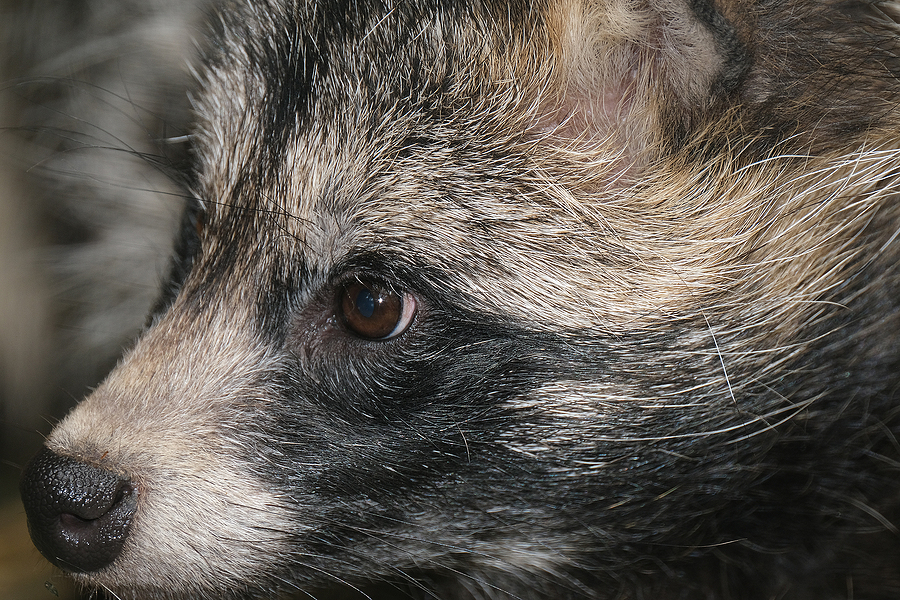
Raccoons are one of the most recognizable nocturnal animals in Indiana. With their distinctive masked faces and clever paws, they are highly adaptable and thrive in urban and suburban environments.
- Habits: Raccoons are omnivores with a keen sense of smell. They are skilled climbers and can open complex latches, making them notorious for raiding garbage cans and compost bins. They often seek shelter in attics, chimneys, and crawl spaces.
- Potential Issues: A common problem is raccoons tearing open garbage bags and scattering trash across your yard. This not only creates a mess but can also attract other pests. If they nest in your home, they can cause significant structural damage to insulation, wiring, and ductwork, posing a fire hazard.
Opossums
Opossums are North America’s only marsupial. Often misunderstood, they play a beneficial role by eating ticks, snails, and insects. However, they can become a nuisance when they decide to move in under your deck or porch.
- Habits: Opossums are opportunistic feeders and will eat almost anything, including pet food left outside, fallen fruit, and garbage. They are solitary animals that prefer to nest in dark, quiet spaces.
- Potential Issues: An opossum nesting under your property can create unpleasant odors from its waste and potentially damage structures. While they are generally not aggressive, they can carry diseases and parasites.
Bats
Bats are fascinating and vital nocturnal animals that help control insect populations. Indiana has several bat species, and many are protected. Despite their benefits, bats can become a serious problem if they form a colony in your home.
- Habits: Bats roost in dark, sheltered places during the day, often choosing attics, wall cavities, or chimneys. They emerge at dusk to feed on thousands of insects each night.
- Potential Issues: The primary concern with a bat infestation is the accumulation of guano (bat droppings). Guano can harbor fungal spores that cause histoplasmosis, a respiratory disease. The sheer weight of a large guano deposit can also damage ceilings and structures, and the noise from a colony can be disruptive.
Owls
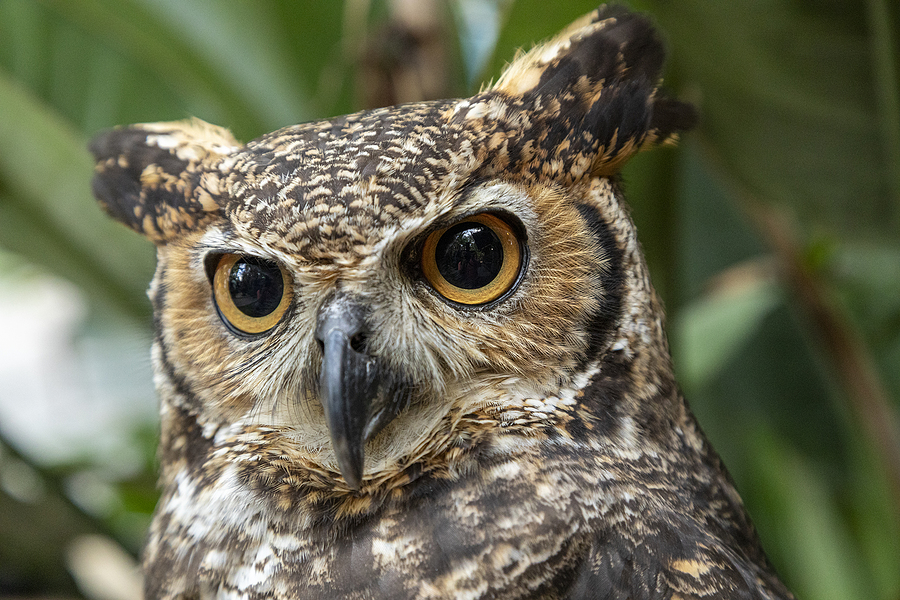
Owls are majestic predators of the night sky, crucial for controlling rodent populations. While they rarely cause direct property damage, their presence can sometimes lead to conflicts.
- Habits: Great Horned Owls and Barred Owls are common in Indiana. They hunt at night for small mammals, birds, and reptiles. They nest in trees, abandoned structures, and sometimes even on ledges of buildings.
- Potential Issues: Owls are generally not a nuisance, but they can be protective of their nests and may become aggressive toward people or pets who venture too close.
Schedule a Wildlife Inspection Today ✨
Animal Proofing: How to Protect Your Home
Preventing wildlife from entering your home is the most effective way to avoid conflicts. Animal damage prevention involves identifying and securing potential entry points and removing attractants from your property.
Seal Entry Points
Inspect your home’s exterior for any gaps or openings that an animal could use to get inside. Even a small hole can be an invitation for nuisance animals.
- Roofs and Attics: Check for loose shingles, damaged vents, and gaps along the roofline. Bats can squeeze through cracks as small as half an inch. Use heavy-duty wire mesh to cover vents and seal any openings with caulk or expanding foam.
- Chimneys: Install a chimney cap to prevent raccoons, squirrels, and birds from nesting inside.
- Foundations and Decks: Seal cracks in your foundation and install sturdy wire mesh or lattice around the base of decks, porches, and sheds. This is an effective method for opossum control, as it blocks them from nesting underneath.
Manage Food Sources
Nocturnal animals are often drawn to your property by the promise of an easy meal. Removing these food sources can make your home far less appealing.
- Secure Garbage: Use metal garbage cans with tight-fitting, lockable lids. This is a proven prevention method for raccoons, who can easily chew through plastic bins or pry off loose lids. Avoid leaving trash bags outside overnight.
- Pet Food: Do not leave pet food or water bowls outside, especially overnight.
- Bird Feeders: Clean up spilled birdseed regularly, as it can attract rodents and, in turn, their predators. Consider bringing feeders in at night.
Maintain Your Yard
An unkempt yard can provide shelter and hiding spots for wildlife.
- Trim Vegetation: Keep tree branches trimmed back at least six feet from your roofline to prevent animals from using them as a bridge to your home.
- Clear Debris: Remove piles of wood, leaves, and other debris that could serve as nesting sites.
When to Call a Professional Wildlife Control Service
While some minor wildlife issues can be managed with DIY methods, many situations require professional help. A wildlife control company has the expertise and equipment to resolve infestations safely and effectively.
Benefits of hiring a professional include:
- Expertise: Professionals can accurately identify the species, locate all entry points, and understand the animal’s behavior.
- Safety: They use techniques and equipment that are safe for both your family and the animals, adhering to all local wildlife regulations.
- Thoroughness: A licensed company will not only remove the animals but also provide comprehensive animal proofing to prevent future problems.
- Peace of Mind: Knowing the issue is handled correctly and ethically provides invaluable peace of mind.
In Summary
Indiana’s nocturnal wildlife is a vital part of our state’s natural heritage. These animals contribute to biodiversity and help maintain a balanced ecosystem. By taking proactive steps to secure our homes and remove attractants, we can prevent conflicts and live peacefully alongside our wild neighbors.
If you suspect you have a wildlife issue, don’t wait for it to escalate. A professional inspection can identify vulnerabilities and provide a clear plan for protecting your property. Schedule a wildlife inspection today and ensure your home is secure from unwanted guests.
Related Post: How to Tell if You Have Nuisance Animal Problems