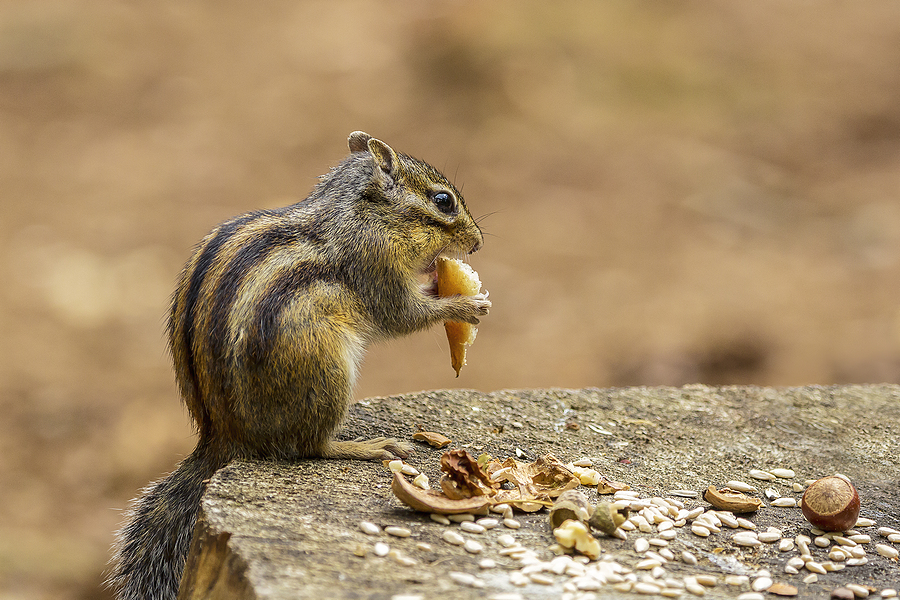
Chipmunks, with their striped backs and puffy cheeks, are often a delightful sight in suburban backyards and wooded rural areas. Their playful antics can be entertaining to watch. However, when these small rodents start to multiply and move closer to your home, they can quickly become nuisance chipmunks, causing significant damage. What begins as a charming wildlife encounter can turn into a frustrating chipmunk infestation.
This guide will help you understand the difference between enjoying a few chipmunks from afar and dealing with an overwhelming population. We’ll explore their behaviors, the signs of an infestation, and effective strategies for chipmunk control. By the end, you will have a clear understanding of how to manage these creatures and know when it’s time to call for professional help.
Understanding Chipmunk Behavior
Activity
To effectively get rid of chipmunks, it’s important to understand how they live. Chipmunks are most active during the early morning and late afternoon, which are the best times to observe their behavior and implement strategies to deter them.
Diet
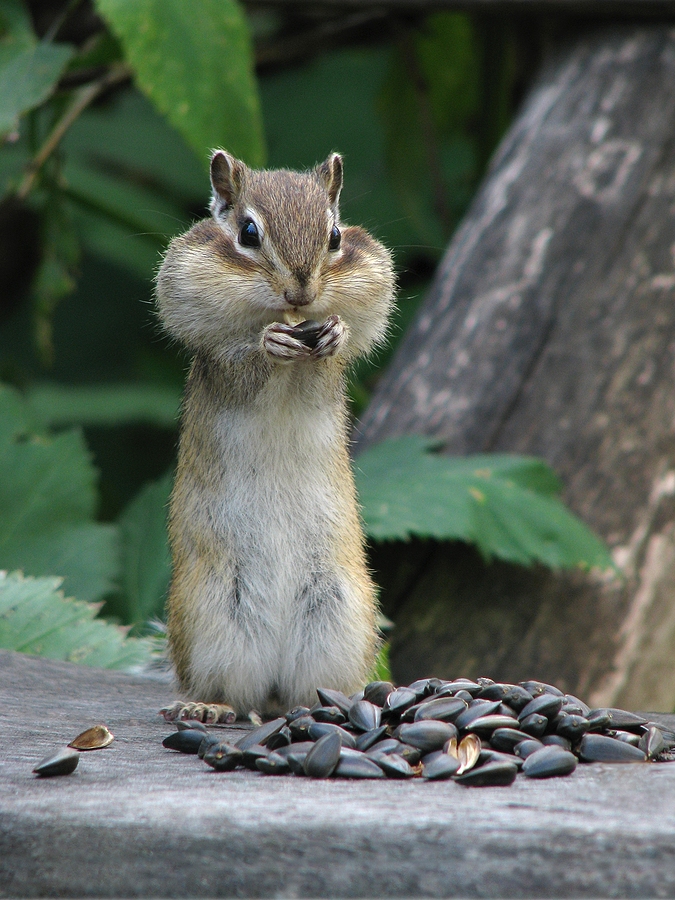
They are avid foragers, constantly searching for food to eat and store in their burrows. Their diet mainly consists of nuts, seeds, berries, and flower bulbs. This is why gardens are so attractive to them. They are also known to raid bird feeders and consume pet food left outdoors.
Nesting Habits
Chipmunks create extensive burrow systems underground. These burrows can be up to 30 feet long and have multiple chambers for sleeping, storing food, and raising their young. They often dig these tunnels near or under structures like patios, retaining walls, and even house foundations. While they primarily live underground, they sometimes seek shelter in other locations, with some homeowners finding chipmunks in the attic or under decks.
Understanding these habits is the first step toward effective chipmunk removal and control.
Identifying a Chipmunk Infestation
Are you unsure if you have a few visiting chipmunks or a full-blown infestation? Here are the common signs to look for:
- Burrow Holes: The most obvious sign is the presence of small, neat holes in your lawn or garden beds. These holes are typically about two inches in diameter and don’t have mounds of dirt around them like molehills do. You’ll often find them along foundations, sidewalks, and retaining walls.
- Chipmunk Damage to Plants: If your garden looks like a buffet, you might have a problem. Look for uprooted plants, missing flower bulbs, and half-eaten fruits and vegetables.
- Structural Damage: While small, the cumulative effect of their burrowing can cause significant problems. Tunnels under patios, walkways, or retaining walls can undermine the structure, causing it to sink or collapse over time.
- Chewed Items: Nuisance chipmunks may chew on outdoor furniture, irrigation lines, or electrical wiring, leading to costly repairs.
- Frequent Sightings: Seeing a chipmunk dart across your yard is normal. Seeing several at once, or seeing them frequently throughout the day, indicates a large and growing population.
Request a Free Chipmunk Removal Quote Today! 🐹
Preventative Chipmunk Control Measures
The best way to manage a chipmunk problem is to make your property less inviting to them. This involves habitat modification and using various chipmunk deterrents.
Habitat Modification
- Secure Food Sources: Keep bird feeders away from your house or use chipmunk-proof feeders. Store pet food in sealed containers and avoid leaving it outside.
- Protect Your Garden: Plant bulbs inside wire mesh cages to prevent chipmunks from digging them up. You can also place a low fence (at least 18 inches high and buried a few inches deep) around your garden beds.
- Clear Debris: Remove piles of wood, rocks, and other debris that chipmunks can use for cover. Keep your lawn mowed and trim back overgrown shrubs, especially those close to your foundation.
Exclusion Techniques
Sealing entry points is a critical step in preventing chipmunks from entering your home. Inspect your foundation, walls, and vents for any cracks or holes. Seal them with caulk, steel wool, or wire mesh to block access. Pay special attention to areas where utilities enter the house, as these are common entry points for rodents seeking shelter, especially when looking for a place like an attic to nest.
Chipmunk Repellents
Several types of animal repellents can help deter chipmunks. Their effectiveness can vary, and they often need to be reapplied, especially after rain.
- Homemade Animal Repellent: Sprays made with garlic, hot pepper, and soap can be applied to plants.
- Putrescent Egg Crumbles: These commercial products mimic the smell of a decaying animal, signaling danger to chipmunks.
- Predator Urine Granules: The scent of predators like foxes or coyotes can scare chipmunks away.
- Capsaicin-Based Sprays: Hot pepper sprays create an unpleasant taste and sensation, discouraging chewing on plants and furniture. Be careful using around children and pets.
- Mothballs: While sometimes recommended, mothballs should be used with extreme caution. They contain toxic chemicals that can be harmful to pets, children, and other wildlife if not used correctly. It is often best to avoid them.
Humane Chipmunk Removal Strategies
When preventative measures aren’t enough, you might consider removing the chipmunks from your property. However, trapping and relocating wildlife is a complex issue. If you are dealing with a significant chipmunk infestation, especially if they have entered your home or are causing structural damage, always hire a professional wildlife removal and control company.
A licensed wildlife removal service offers several advantages:
- Expertise: Professionals have the knowledge and experience to accurately assess the extent of the infestation and identify all entry points.
- Safety and Compliance: They are trained to handle wildlife safely and are knowledgeable about all local and state regulations regarding chipmunk removal.
- Effective Solutions: A professional service will not just remove the animals. They will also provide comprehensive exclusion solutions to ensure the problem doesn’t return. This includes sealing entry points and offering advice on long-term prevention.
- Humane Methods: Reputable companies prioritize humane methods that are effective and ethical.
Trying to manage a severe infestation on your own can be frustrating and often fails to solve the root problem. A professional wildlife control expert can provide a lasting solution.
Wrapping Up
While chipmunks can be a charming part of the local ecosystem, they belong in the wild, not under your patio or in your attic. A large population can cause considerable chipmunk damage that is expensive and difficult to repair.
By understanding their behavior, recognizing the signs of an infestation, and implementing preventative measures, you can keep your property safe. For persistent or severe problems, don’t hesitate to seek professional help. Taking proactive steps will ensure your home remains a peaceful, chipmunk-free environment.
If you’re struggling with nuisance chipmunks in the Indy area, contact us for a consultation with an experienced wildlife control professional. We can assess the situation and provide effective, humane solutions tailored to your needs.
Talk to a Wildlife Removal Expert Now
Related Post: Safeguarding Your Space: The Ultimate Guide to Chipmunk Control