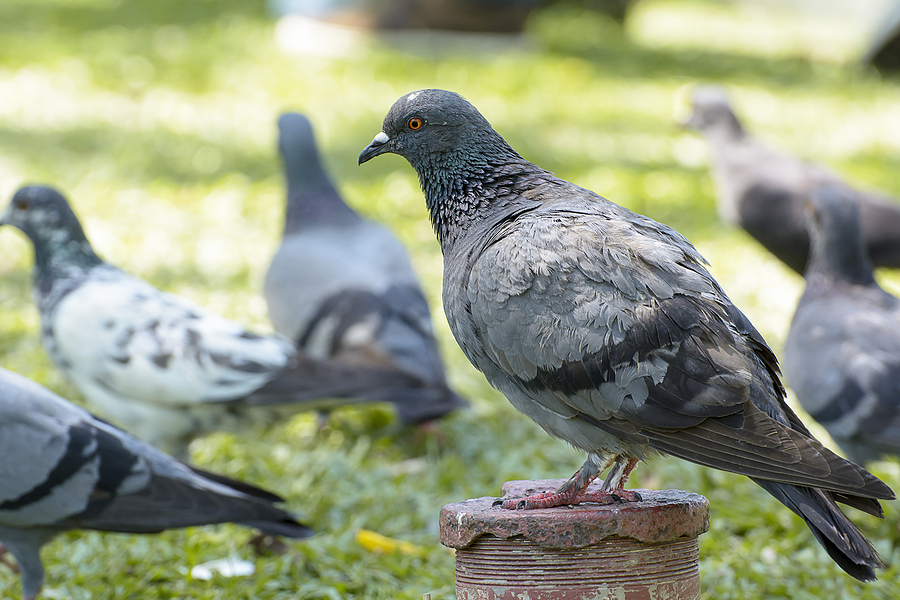
A single pigeon perched on your rooftop might seem harmless. But pigeons rarely come alone—and once a flock finds a comfortable roosting spot on your property, they’re not easy to move on. What starts as a minor inconvenience can quickly escalate into a serious health and property issue that costs far more to address than it would have to prevent.
Pigeon infestations are among the most common—and most underestimated—wildlife problems for homeowners and businesses alike. This guide covers everything you need to know: from the real risks pigeons pose, to the most effective prevention and control methods available.
Why Pigeons Become a Problem in Urban Areas
Pigeons are remarkably well-adapted to urban life. Buildings mimic the cliff faces they would naturally nest on, food scraps are plentiful, and the warmth of structures makes year-round breeding possible. Unlike many other wildlife species, pigeons don’t migrate far from their birthplace. Once they establish a roosting site, they return to it repeatedly—season after season.
The size of any pigeon population is directly tied to the availability of food. More food means more breeding. This is why a single bird feeder, an unsecured trash bin, or even a garden can attract and sustain a growing flock. Without intervention, small groups multiply quickly, and the problems they bring with them multiply just as fast.
Health Risks and Property Damage Caused by Pigeons
Diseases Carried by Pigeons and Their Droppings
Pigeon droppings are more than just unsightly—they’re a genuine public health concern. According to the New York City Department of Health, diseases associated with pigeon droppings include Cryptococcosis, Histoplasmosis, and Psittacosis. Histoplasmosis, in particular, is a respiratory disease caused by a fungus that grows in dried droppings. In severe cases, it can be fatal.
Beyond disease transmission, pigeon activity also attracts secondary pests. Ticks, mites, cockroaches, and rats are all drawn to areas where pigeons nest and feed—compounding the health risks on your property.
Structural and Cosmetic Damage
Pigeon droppings are highly acidic. Over time, accumulated feces can corrode building materials, damage roofing membranes, stain exterior surfaces, and destroy paintwork. Gutters clogged with droppings and nesting debris are a common result of unchecked pigeon activity, and the damage can eventually lead to leaks and water intrusion.
Solar panels, HVAC units, and other rooftop equipment are also particularly vulnerable. Nests built around mechanical components can restrict airflow and cause overheating, while the corrosive nature of droppings accelerates wear on sensitive hardware.
How to Identify a Pigeon Infestation
Catching a pigeon problem early makes it significantly easier—and cheaper—to resolve. Here are the warning signs to watch for:
- Accumulating droppings on window ledges, rooflines, or outdoor furniture
- Nests made from twigs and debris tucked into eaves, vents, or under rooftop equipment
- Consistent flock activity at the same time of day, particularly at dawn and dusk
- Cooing sounds emanating from roof spaces or wall cavities
- Feathers and nesting material scattered around the property
Common Roosting and Nesting Sites
Pigeons are drawn to ledges, flat rooftops, eaves, window sills, and any sheltered structural gap. On commercial properties, HVAC systems and loading dock areas are frequently targeted. Solar panel installations provide particularly attractive harborage, as the panels create a warm, sheltered cavity that pigeons quickly colonize.
Effective Pigeon Prevention Methods
Remove Food Sources
The most impactful step you can take is eliminating what’s drawing pigeons to your property in the first place. Secure trash bins with tight-fitting lids, clean up fallen fruit or seeds in garden areas, and avoid leaving pet food outdoors. If you have a bird feeder, be aware that pigeons will readily use it alongside other bird species.
Install Physical Barriers
Physical exclusion is the most reliable long-term solution for keeping pigeons away from specific areas of a property.
- Bird netting is widely regarded as the gold standard for exclusion. When professionally installed, it creates a complete barrier that prevents pigeons from accessing ledges, eaves, rooftops, and other roosting sites.
- Anti-perching spikes are effective on narrow ledges and rails, making surfaces uncomfortable for pigeons to land on.
- Bird wire systems can be strung along rooflines and fences to deter perching without being visually obtrusive.
- Shock track systems deliver a mild deterrent stimulus that discourages landing without harming the bird.
Use Visual and Auditory Deterrents
Reflective surfaces—such as Mylar tape, reflective foil, or hanging CDs—can disorient pigeons and discourage them from landing. Plastic decoy predators like owls or rubber snakes may offer short-term results, but pigeons tend to acclimate to stationary objects within a few weeks.
Sonic and ultrasonic emitters are another option, though their effectiveness is limited. Pigeons often habituate to repetitive sounds over time, making them unreliable as a standalone solution.
Seal Entry Points
Any gap, crack, or opening in your building’s exterior is a potential entry point for nesting. Seal gaps under eaves, around vents, and along rooflines using wire mesh, caulking, or wooden panels. A professional wildlife control inspection can identify vulnerabilities that aren’t immediately obvious from the ground.
Why DIY Pigeon Control Often Falls Short
Many property owners attempt to manage pigeon problems on their own before seeking professional help. While some DIY methods can reduce activity in minor cases, they rarely solve an established infestation. Pigeons are resilient and quick to adapt—they’ll simply relocate to the next available spot on your property.
Lethal control methods like trapping or poisoning tend to provide only short-term relief. The remaining flock breeds rapidly to replace lost members, and the population often returns to its original size within weeks. Without addressing the root causes and applying proper exclusion techniques, the problem persists.
Professional Pigeon Control Solutions
The Benefits of Hiring Wildlife Control Experts
Professional bird control services bring a combination of expertise, equipment, and strategy that DIY approaches simply can’t replicate. A qualified technician will assess the full scope of the infestation, identify all active roosting and nesting sites, and develop a targeted plan that addresses both the immediate problem and long-term prevention.
Professional services typically include:
- Humane nest and egg removal to discourage re-nesting
- Exclusion installation using commercial-grade netting, spikes, or wire systems
- Property sealing to eliminate entry points
- Follow-up inspections to ensure the infestation doesn’t return
Long-Term Management and Monitoring
Effective pigeon control doesn’t end with a single treatment. Ongoing monitoring—particularly in the spring and fall when nesting activity peaks—helps catch new activity before it becomes a full-scale infestation. Regular property assessments allow for early intervention, and seasonal maintenance of exclusion hardware ensures it remains in good condition.
It’s also worth noting that pigeon control works best as a community effort. If neighboring properties remain untreated, displaced pigeons will simply shift locations rather than moving on entirely. Coordinating with neighbors or building management significantly improves long-term outcomes.
Frequently Asked Questions
Are pigeons legally protected?
In the United States, feral pigeons are not protected under the Migratory Bird Treaty Act, which means they can be legally controlled by property owners. However, specific removal methods may be regulated at the state or local level. Always consult a licensed wildlife control professional before taking action.
How quickly can a pigeon infestation grow?
Pigeons breed year-round in suitable conditions, producing up to six broods annually. A small group can grow into a significant flock within a single season if food and shelter are readily available.
Do pigeon spikes damage buildings?
No. Bird spikes are designed to be non-invasive and are installed with minimal impact to the surface. Professional installation ensures the hardware is secured correctly without causing structural damage.
What’s the most effective pigeon deterrent for rooftops?
Bird netting is generally considered the most effective option for rooftop exclusion. When properly installed, it creates a complete barrier across large surface areas, including around solar panels and HVAC units.
Is it safe to clean up pigeon droppings myself?
Pigeon droppings should be handled with care. Always wear protective clothing, gloves, goggles, and a respirator or face mask when cleaning up droppings, particularly in enclosed spaces. For large accumulations, professional cleaning is strongly recommended.
Take Back Control of Your Property
Nuisance pigeons aren’t a problem that resolves on its own. The longer an infestation goes unaddressed, the more entrenched it becomes—and the more costly the damage. The good news is that with the right combination of prevention, physical exclusion, and professional support, pigeon problems are very much solvable.
If you’re dealing with pigeons on a residential or commercial property in Indianapolis, Indiana, Modern Wildlife Control offers expert pigeon removal and control services tailored to your specific situation. Contact us today to schedule an assessment and get your property protected.
Related Posts:
Can You Hunt Pigeons Without a License?
The Ultimate Guide to Bird Control: Keeping Your Property Bird-Free
What You Should Do if You Have Birds in the Chimney