Each summer, attics, barns, and hollow trees across Indiana become nurseries. Female bats gather in warm, quiet spaces to give birth and raise their young, often without homeowners ever realizing they share their property with these remarkable creatures. This period, known as maternity season, is one of the most sensitive times of the year for bats.
If you live in Indiana, knowing when and where bats raise their pups can help you protect them—and keep your home safe and pest-free. Bats are essential to our ecosystem, eating thousands of insects every night. But when a maternity colony settles into your attic, things can get complicated.
This guide explains everything you need to know about bat maternity season in Indiana, from timing and roosting habits to the species you’re most likely to encounter. You’ll also learn how to coexist with bats responsibly and when it’s time to call in the professionals.
What Is Maternity Season for Bats?
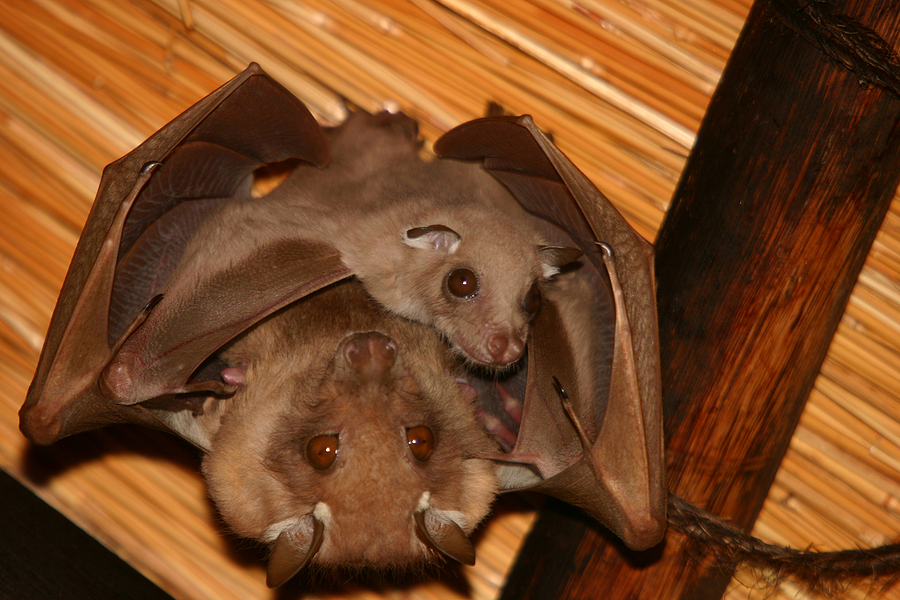
Maternity season is the time of year when female bats group together to give birth and care for their pups. These groups, called maternity colonies, can range from a few dozen to several hundred bats. Almost all members are mothers and their young.
Why Maternity Season Matters for Bat Conservation
Bats reproduce slowly. Most female bats give birth to just one pup per year, which makes every successful breeding season vital to keeping populations stable. Many bat species in Indiana have already suffered steep declines due to white-nose syndrome, a fungal disease that has killed millions of bats across North America.
Because of this slow reproduction rate, disturbing a maternity colony can have a serious impact. If mothers are frightened away or pups are harmed, the loss ripples through the entire local population. Protecting these colonies during the summer months is one of the most effective ways to support bat conservation.
When Does Bat Maternity Season Occur in Indiana?
In Indiana, bat maternity season typically runs from mid-May through late July or early August. During this window, females are either pregnant, nursing, or caring for flightless pups.
Typical Timelines
Here’s a general breakdown of the season:
- Mid-May to early June: Females gather at roosts and give birth.
- June to mid-July: Pups nurse and grow rapidly but cannot yet fly.
- Mid-July to early August: Young bats learn to fly and begin foraging on their own.
Factors That Influence the Start and End Dates
Several factors can shift these dates slightly from year to year:
- Weather and temperature: A warm spring may prompt earlier births, while a cold snap can delay them.
- Food availability: Abundant insects help mothers stay healthy and may speed up pup development.
- Species: Different bat species follow slightly different schedules.
Because of these variables, it’s wise to assume bats may still have flightless young in the building through the end of July.
Where Do Female Bats Raise Their Pups in Indiana?
Female bats look for warm, dark, and undisturbed spaces to raise their young. Heat helps pups grow faster, so mothers often choose the warmest spot they can find.
Natural and Man-Made Roosting Sites
Common roosting locations include:
- Natural sites: Hollow trees, loose bark, caves, and rock crevices.
- Man-made sites: Attics, barns, church steeples, bat houses, and gaps under eaves or siding.
Attics are especially appealing because they trap heat and offer protection from predators and weather. Unfortunately, this is also where bats and homeowners most often come into conflict.
Why Safe, Undisturbed Locations Are Essential
Pups are completely dependent on their mothers for the first several weeks of life. If a colony is disturbed, mothers may abandon their young or drop them in a panic. A quiet, stable roost gives pups the best chance to survive and grow strong enough to fly.
The Bat Birthing and Rearing Process
The journey from pregnancy to independent young bat happens quickly over the summer.
From Pregnancy to Pups
Most Indiana bat species give birth to a single pup, though some may have twins. Newborn pups are born hairless and blind, clinging to their mothers or roost surfaces. They rely entirely on their mother’s milk for nourishment.
Growth and Development of Young Bats
Pups grow fast. Within about three to four weeks, they develop fur and gain strength. By four to six weeks of age, most are ready to fly and begin hunting insects on their own. By late summer, the colony disperses as the young become independent.
Common Bat Species in Indiana and Their Maternity Habits
Indiana is home to several bat species, but three are especially common in and around homes.
Little Brown Bat (Myotis lucifugus)
The little brown bat is one of the most frequently encountered species in attics and barns. These bats form large maternity colonies and have been hit hard by white-nose syndrome, making colony protection especially important.
Big Brown Bat (Eptesicus fuscus)
The big brown bat is a hardy, adaptable species often found in buildings. Big brown bats sometimes give birth to twins and are well known for roosting in attics, walls, and barns throughout Indiana.
Indiana Bat (Myotis sodalis) — A Protected Species
The Indiana bat is a federally endangered species. It is protected under the Endangered Species Act, which makes it illegal to harm or disturb these bats or their roosts. If Indiana bats are present, special legal protections apply, and professional guidance is strongly recommended.
Coexisting with Bats During Maternity Season
You can share your property with bats safely if you know what to look for and how to respond.
Recognizing the Signs of a Bat Colony
Watch for these telltale signs:
- Bats flying in and out of your home at dusk.
- Dark stains or grease marks around small gaps and entry points.
- Squeaking or scratching sounds in walls or the attic.
- Accumulations of droppings (guano) below roosting areas.
Why Disturbing Maternity Colonies Is Harmful and Illegal
Removing bats during maternity season can leave flightless pups trapped inside your home, where they may die and cause odor and sanitation problems. For protected species like the Indiana bat, disturbing a colony is also against the law. This is why most bat exclusion work is delayed until pups can fly, usually after early August.
When to Seek Professional Bat Removal Services in Indiana
Sometimes coexisting isn’t possible, especially when bats move into living spaces. That’s when professional help becomes essential.
Signs of a Bat Infestation
Consider calling a professional if you notice:
- A strong, musty odor from droppings.
- Repeated bat sightings inside living areas.
- Visible staining and guano buildup.
- A large or growing colony in your attic.
The Importance of Humane and Safe Removal
Professional wildlife control technicians use humane exclusion methods that allow bats to leave without harm, then seal entry points to prevent return. Timing matters: reputable companies wait until maternity season ends so no pups are left behind. This approach protects both your home and Indiana’s bat populations.
Frequently Asked Questions About Bat Maternity Season in Indiana
How can I tell if bats are in my attic?
Look and listen for the signs. You may hear scratching or squeaking sounds, notice droppings below roost areas, or see bats exiting your home at dusk. Dark grease marks around small gaps can also point to an active entry point.
Is it safe to have bats near my home?
Bats are beneficial neighbors that eat large numbers of insects, and most pose little risk if left alone outdoors. However, bats inside your living space can create health and sanitation concerns. Never handle a bat with bare hands, as a small percentage can carry rabies.
What should I do if I find a baby bat?
Do not touch it with your bare hands. A grounded pup may simply be learning to fly, and its mother may still be nearby. If you find a baby bat indoors or in a vulnerable spot, contact a wildlife professional for safe guidance rather than handling it yourself.
Protecting Indiana’s Bat Mothers and Pups
Bat maternity season is a fragile time. From mid-May through early August, female bats across Indiana are working hard to bring the next generation into the world. By recognizing the signs of a colony, respecting the timing of the season, and avoiding disturbance, you can help protect these valuable animals while keeping your home safe.
If bats have moved into your attic or walls, don’t risk harming a maternity colony or breaking the law. Reach out to trusted experts who handle the situation the right way.
Need help with bats on your property? Modern Wildlife Control offers professional, safe, and humane bat removal and control services in Indianapolis, Indiana. Request a free quote today.
Related Posts:
Humane Bat Control: Safe Solutions for Your Indiana Home
How to Incorporate Bat Houses on Your Property
How to Deter Bats From Entering Your Home