
Woodpeckers are fascinating birds—until they turn your siding into a drum kit or a buffet. Homeowners often notice a few small holes and brush them off, only to find weeks later that the damage has spread across an entire wall. Catching the signs early and responding with the right methods can save you hundreds, if not thousands, of dollars in repairs.
This guide walks you through why woodpeckers target homes, how to spot the warning signs, and what you can do to stop the damage before it gets worse.
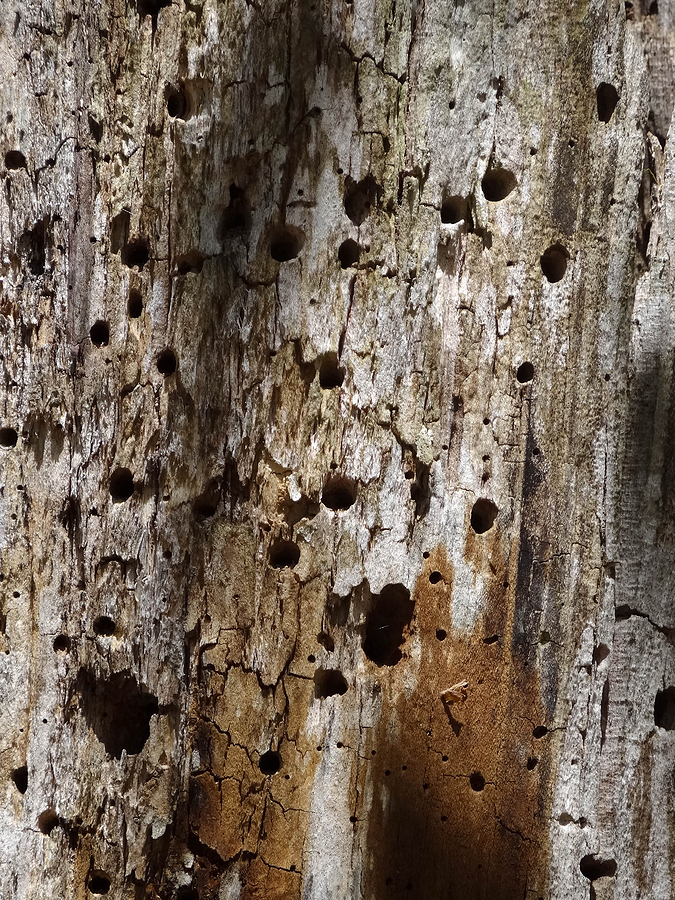
Why Do Woodpeckers Damage Homes?
Woodpeckers aren’t out to destroy your house. They’re usually after one of three things: food, shelter, or attention.
They’re Searching for Insects
Many woodpeckers drill into wood because they’re hunting for wood-boring insects like carpenter bees, leafcutter bees, and grass bagworms. According to the U.S. Fish and Wildlife Service, this kind of activity can actually be a warning sign of a larger pest problem hiding in your siding.
They’re Building Nests
Come early spring (and occasionally in fall), woodpeckers drill larger cavities to create nests. These holes tend to be bigger—sometimes up to two inches in diameter—and signal a more serious, ongoing issue than simple insect foraging.
They’re Marking Territory
Woodpeckers also drum on surfaces purely for social reasons, especially at the start of breeding season. Metal gutters, downspouts, chimney caps, and rooftop vents make excellent drumming surfaces because they resonate loudly, according to the University of California Integrated Pest Management Program (UC IPM).
Certain Siding Types Attract More Activity
Not all homes are equally at risk. UC IPM research suggests homes with wood siding stained in earth tones suffer more woodpecker damage than those painted white or pastel colors. Cedar and redwood siding are especially vulnerable, particularly rough-hewn or reverse board-and-batten plywood styles, since gaps in the material often harbor insects.
What Are the Signs of Woodpecker Damage?
The earlier you catch woodpecker activity, the easier it is to stop. Look for these telltale signs:
- Small, uniform holes in a row. This pattern typically means a woodpecker is searching for insects along a seam in the wood.
- Larger, clustered holes. These often indicate nest-building rather than feeding, and they’re a sign the problem is escalating.
- Wood debris at the base of your home. Fresh wood shavings or splinters near siding, fascia, or trim are a clear indicator of recent activity.
- Damage concentrated on trim, eaves, or window frames. Woodpeckers gravitate toward edges and corners where wood meets other materials.
If you notice any of these signs, don’t wait for the damage to spread. Both the U.S. Fish and Wildlife Service and UC IPM agree that woodpeckers become far more persistent and harder to deter once a feeding or nesting pattern is established.
Contact Modern Wildlife Control in Indianapolis at 317-847-6409 for professional bird removal and control services, including animal damage repair and routine inspections.
How to Stop Woodpecker Damage
The good news: several effective, humane bird control methods can protect your home. The key is acting quickly and combining strategies rather than relying on just one.
Install Physical Barriers
Exclusion is widely considered the most effective long-term solution. UC IPM recommends stretching lightweight, 3/4-inch bird netting from the eaves down the side of the affected area. The netting needs to stay taut with no loose pockets, since sagging sections can entangle birds. If you’re netting a flat surface, leave at least three inches of space between the netting and the wall.
For smaller, already-damaged spots, lightweight sheet metal or 1/4-inch hardware cloth can be fastened directly over the area and painted to match your siding. Wrapping metal vents or chimney caps in hardware cloth also helps quiet drumming noise.
Try Visual and Sound Deterrents
Movement and reflection can discourage woodpeckers from sticking around. Reflective tape, hanging CDs, aluminum foil strips, and plastic twirlers have shown some success, according to UC IPM. Recorded distress calls followed by predator calls may also work as a sound-based deterrent, per the U.S. Fish and Wildlife Service.
It’s worth noting that predator decoys—like fake owls or hawks—have a mixed track record. UC IPM found these models were largely ineffective once woodpeckers got used to them. If you try decoys, move them frequently to maintain the illusion of a real threat.
Be Cautious With Taste Deterrents and Sticky Substances
Taste and odor repellents have shown little to no success in research trials, according to UC IPM. Sticky or tacky gels are sometimes marketed as a deterrent, but both UC IPM and the U.S. Fish and Wildlife Service caution against them—these substances can coat feathers, impair flight, and reduce a bird’s ability to stay warm. If you’re weighing your options, prioritize exclusion and visual deterrents over sticky products, which carry real risk to the birds themselves.
Remove Food Sources and Seal Entry Points
Since much woodpecker activity is tied to insect infestations, treating your siding for wood-boring pests can eliminate the root cause of the problem. Fill existing holes with putty and repaint them promptly so birds don’t see visual cues that insects are nearby. Keeping trim, decking, and siding well-maintained—and fixing any rotting wood—also removes the conditions that attract woodpeckers in the first place.
When to Call a Professional
DIY methods work well for minor or early-stage activity, but some situations call a bird control service for expert help:
- Extensive damage. If holes have spread across multiple sections of your home, a structural assessment may be necessary to catch hidden issues.
- Persistent activity despite your efforts. Once a woodpecker establishes a pattern, it can be remarkably stubborn. If netting, deterrents, and repairs haven’t worked, it’s time to bring in reinforcements.
- Active nests. Woodpeckers are protected under the Migratory Bird Treaty Act, and control measures must wait until the young have left the nest—usually by midsummer, though timing varies by species. A wildlife professional can help you navigate removal legally and humanely once the nest is no longer active.
Frequently Asked Questions
What time of year is woodpecker activity highest?
Woodpecker activity peaks in spring and early summer, which coincides with breeding season. This is when drumming for territory and nest-cavity drilling are most common.
Are woodpeckers protected by law?
Yes. Woodpeckers are protected under the Migratory Bird Treaty Act of 1918, along with their nests and eggs. Harming a woodpecker or disturbing an active nest without a permit is illegal, and homeowners can be held liable for violations.
A depredation permit is only issued as a last resort, after non-lethal methods have been tried and documented. Working with a wildlife control professional familiar with these regulations can help you address the problem the right way.
What attracts woodpeckers to homes?
Woodpeckers are often drawn to homes for three main reasons: food, shelter, and territory marking. Homes with wood siding, especially cedar or redwood, can resemble trees, making them an inviting target. The birds may also be searching for insects within the wood or creating cavities to store food. Additionally, the sound of drumming on hollow surfaces helps woodpeckers establish territory and attract mates during breeding seasons.
How can I deter woodpeckers without harming them?
Using humane deterrents can discourage woodpeckers from targeting your property. Reflective objects like foil strips, shiny tape, or mirrors can confuse and scare the birds away. Sound-based deterrents, such as predator calls or wind chimes, can also disrupt their drumming behavior.
For more persistent issues, installing physical barriers like bird netting or covering the affected area with a hard, unappealing surface can help. Always ensure that any methods used comply with wildlife protection laws.
Protect Your Home Before Damage Spreads
Woodpecker damage rarely resolves on its own. The sooner you identify the signs and take action—whether that’s installing netting, adding visual deterrents, or repairing early damage—the less it will cost you in repairs down the line.
If woodpecker activity on your home has gotten out of hand, Modern Wildlife Control in Indianapolis, Indiana can help. Our team offers expert woodpecker removal and damage prevention services to protect your home while keeping local wildlife regulations in mind. Contact Modern Wildlife Control today to schedule an assessment.
Related Posts:
How to Deal with Nuisance Woodpeckers and Protect Your Home
The Ultimate Guide to Bird Control: Keeping Your Property Bird-Free
Beyond the Noise: Understanding and Managing Nuisance Birds