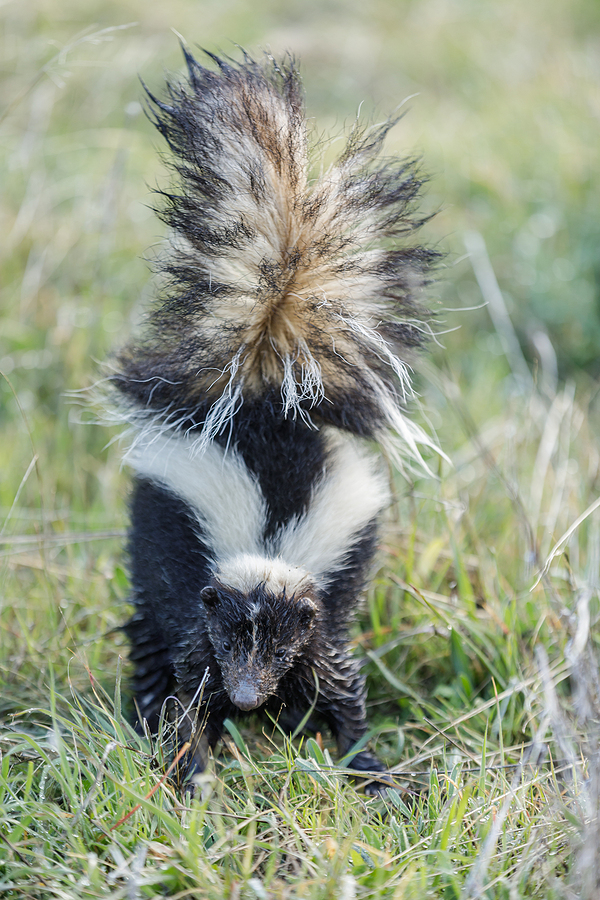
A skunk waddling across your yard at dusk is more than a nuisance; it’s a warning sign. One wrong move, and you’re dealing with a smell that can cling to your home for days. The good news? Removing skunks safely is entirely possible when you know what to do, and what to avoid.
This guide walks you through humane removal methods, prevention tactics, and the steps to take if you find yourself face-to-face with a skunk. By the end, you’ll know exactly how to protect your family, your pets, and your nose.
Humane Removal Methods That Actually Work
Skunks are generally docile animals that only spray when they feel threatened. That means successful removal is about patience and strategy, not confrontation.
Live Trapping and Relocation
Live traps can capture skunks without harming them, but handling a trapped skunk carries real risk. Skunks spray when startled, and a cage rattling as you lift it is often enough to trigger a response.
Relocation laws also vary by state and sometimes by species. In some areas, wildlife professionals cannot relocate skunks at all due to rabies concerns, since skunks are a known carrier. Before attempting to trap and move a skunk yourself, check your local and state regulations, or better yet, let a licensed operator handle the legal and practical details.
One-Way Door Exclusion
Exclusion devices, like one-way doors installed at den entrances, allow skunks to leave on their own schedule without forcing confrontation. This method works especially well for skunks denning under porches, decks, or sheds. Once the skunk exits, you can seal the entry point to prevent reentry.
Professional Removal Services
Some situations call for expert hands. If a skunk has established a den close to your home, or if you suspect a mother is caring for young kits, professional skunk removal protects both your household and the animal. Spring and early summer are common times for skunk families to settle in, and handling this correctly matters for everyone involved.
Prevention Strategies to Keep Skunks Away
Removing a skunk is only half the job. Keeping new ones from moving in requires removing what attracted them in the first place.
Secure Garbage and Food Sources
Skunks are opportunistic feeders drawn to easy meals. Use garbage cans with locking lids, avoid leaving pet food outside overnight, and clean up fallen fruit or birdseed that accumulates on the ground.
Seal Gaps and Entry Points
Check your foundation, porch, and shed for gaps large enough for a skunk to squeeze through. Even small openings around crawl spaces can become an invitation. Pet doors deserve special attention, too. A skunk that smells food through a pet door at night won’t hesitate to let itself in, so lock it after dark.
Remove Shelter Areas
Woodpiles, dense brush, and cluttered storage areas make ideal skunk shelters. Clearing these spaces, or elevating them off the ground, removes the cover skunks rely on for denning.
What to Do If You’re Cornered by a Skunk
Encounters happen, even with the best prevention in place. Knowing how to respond can mean the difference between a close call and a laundry disaster.
Stay Calm and Back Away Slowly
Skunks give warning signs before spraying, including stomping their feet, raising their tail, or hissing. If you notice these cues, stop moving toward the animal and back away slowly and quietly.
Never Corner or Chase a Skunk
A cornered skunk feels trapped, which makes spraying far more likely. Avoid blocking its path or making sudden movements that could be read as aggression.
Give Skunks an Escape Route
Whenever possible, leave a clear path for the skunk to retreat. Skunks aren’t looking for a fight; they want to feel safe. Giving them room to leave on their own terms is often the fastest way to end the encounter without incident.
When to Call a Professional
Not every skunk situation is a do-it-yourself job. Severe infestations, repeated denning, or skunks with young kits call for professional wildlife control. Trained technicians know how to safely remove skunks without harm to the animal or your household, and many services also handle prevention and exclusion work to stop future problems before they start.
Frequently Asked Questions
How long does it take to remove a skunk?
Timelines vary depending on the method used and whether kits are present. Exclusion methods may take several days to allow the skunk to leave on its own, while trapping can sometimes resolve a situation faster when handled by a professional.
Are skunks dangerous besides spraying?
Yes. Skunks are a known carrier of rabies, and bites or scratches carry health risks beyond the smell. Avoid direct contact with any skunk, especially one that seems unusually aggressive or disoriented.
What’s the best time to remove skunks?
Many experts recommend addressing skunk issues outside of spring and early summer, when mothers are often caring for kits. Removing an adult skunk during this window can leave young animals orphaned, so timing matters for a humane outcome.
Protect Your Home the Safe Way
Skunk removal doesn’t have to end in disaster. With the right combination of prevention, patience, and professional support when needed, you can protect your family and your home while treating the animal humanely.
If skunks have made themselves at home on your property in Indianapolis, Indiana, don’t risk a close encounter. Contact Modern Wildlife Control for safe, professional skunk removal and exclusion services built to keep your home skunk-free for good.
Related Posts:
Safe and Humane Skunk Control Methods
The Ultimate Guide to Eliminating Skunk Odor on Clothes and Pet Fur
How to Remove Skunk Smell from Your Pet