As temperatures drop across Indiana, local wildlife starts looking for warmer accommodations—and your home might be at the top of their list. Raccoons, squirrels, mice, and other critters instinctively seek shelter and food sources as the season changes, and they’re not particular about whose property they use to survive the cold.
Left unaddressed, these seasonal visitors can cause real damage. Chewed wiring, insulation destruction, contaminated food stores, and structural harm are common outcomes of an unwanted wildlife infestation. Beyond property damage, many species carry diseases or parasites that pose health risks to your family and pets.
The good news? Most fall and winter wildlife problems are preventable. With a bit of preparation and consistent maintenance, you can make your property far less appealing to animals searching for a place to wait out the cold. Below, we’ll cover the species most active this time of year in Indiana, practical steps to protect your home, and when it’s time to call in a professional.
Common Fall and Winter Wildlife in Indiana
Several species become noticeably more active—and more likely to target homes—as the weather cools.
Raccoons
Raccoons are opportunistic and resourceful. As natural food sources dwindle, they often turn to attics, chimneys, and crawl spaces for warm, dry shelter. A raccoon that gets comfortable in your attic can cause significant damage in a short period of time.
Squirrels
Squirrels frequently enter homes through small gaps in rooflines, soffits, or vents. Once inside, they tend to nest in attics and walls, chewing through wood and wiring in the process.
Mice and Rats
Rodents are relentless when it comes to finding warmth. Mice can squeeze through openings as small as a quarter-inch, making even minor gaps a liability during colder months.
Opossums and Other Nocturnal Visitors
Opossums, along with other nocturnal wildlife, may take shelter under porches, decks, or sheds. While generally less destructive than raccoons or rodents, they can still create sanitation issues.
Why Wildlife Activity Increases in Colder Months
As natural food supplies decrease and temperatures fall, wildlife shifts its focus toward survival. Homes offer consistent warmth, accessible food, and shelter from predators—making them an attractive target throughout fall and winter.
Seal Entry Points and Vulnerabilities
Blocking access is one of the most effective ways to prevent wildlife problems before they start.
Inspect Your Home’s Exterior
Walk the perimeter of your property and check for:
- Foundation cracks
- Gaps around pipes and utility lines
- Loose or damaged roof vents
- Deteriorating siding
Secure Common Entry Points
Install a chimney cap to prevent raccoons and other animals from using your chimney as a den. Secure any loose siding, and seal gaps around doors and windows where drafts—and animals—can sneak through.
Check for Openings Larger Than a Quarter Inch
Mice need very little space to gain entry. According to the Indiana wildlife control community, any gap larger than a quarter-inch should be sealed to keep rodents out.
Consider a Professional Inspection
A thorough wildlife control inspection can be difficult to perform on your own, especially for less visible vulnerabilities like roofline gaps or crawl space openings. A professional wildlife control service can identify weak points you might otherwise miss.
Eliminate Food and Water Sources
Sealing entry points matters less if your property is still offering food and water that attracts wildlife in the first place.
Secure Trash and Pet Food
Store trash in metal containers with tight-fitting lids, and avoid leaving pet food bowls outside after feeding time. Both are strong attractants for raccoons, opossums, and rodents.
Clean Up Yard Debris
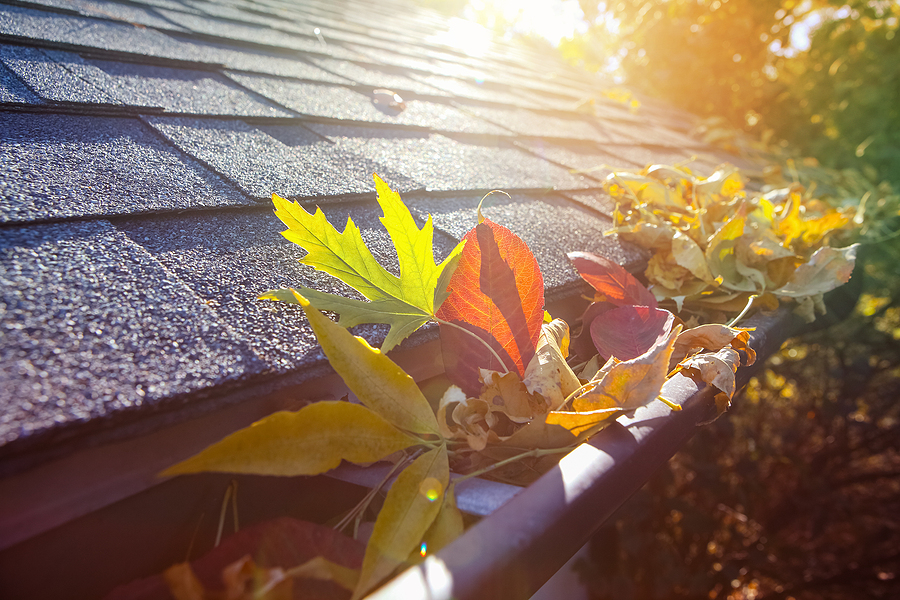
Fallen leaves and plant debris often harbor insects, which in turn attract wildlife looking for an easy meal. Regular yard cleanup reduces this hidden food source.
Trim Trees and Branches
Overhanging branches give squirrels and raccoons direct access to your roof. Trim limbs back so they don’t touch or hang near your house.
Fix Leaks
Leaky pipes and clogged gutters create standing water, which draws thirsty wildlife. Repairing leaks removes a water source that might otherwise keep animals coming back.
Outdoor Maintenance and Landscaping
Your yard plays just as big a role as your house when it comes to deterring wildlife.
Clear Brush Piles and Dense Vegetation
Brush piles and overgrown vegetation provide excellent cover for nesting animals. Keeping your yard tidy removes these hiding spots.
Store Firewood Away From the House
Stack firewood at least 20 feet from your home. Firewood piles close to the house are a common nesting site for rodents and other small animals.
Rethink Bird Feeders
Bird feeders often attract more than birds. Consider removing them during peak wildlife season or switching to wildlife-resistant models that limit access for raccoons and squirrels.
Maintain Proper Drainage
Good drainage around your foundation prevents standing water and reduces the kind of damp conditions that attract insects—and the wildlife that feeds on them.
Secure Garden Tools and Equipment
Sheds and storage areas can become shelter for wildlife if left unsecured. Store tools and equipment in sealed containers or well-maintained structures.
Professional Wildlife Control Solutions
Prevention goes a long way, but some situations call for professional help.
When to Call a Professional
If you notice scratching sounds in your walls or attic, droppings, chewed wiring, or visible entry points you can’t safely seal yourself, it’s time to call a wildlife control specialist.
Benefits of Hiring a Specialist
Experienced wildlife control professionals know how to identify entry points, assess the extent of an infestation, and apply the right removal strategy—often more efficiently and safely than DIY efforts.
Treatment Options for Active Infestations
Depending on the species and severity of the issue, treatment may involve trapping, exclusion devices, or sealing techniques designed to prevent animals from returning.
Humane Removal and Exclusion
Many wildlife control services prioritize humane removal methods paired with long-term exclusion to prevent repeat infestations. If you have questions about legal requirements for handling specific species, the Indiana Department of Natural Resources (DNR) Division of Fish & Wildlife is a reliable resource for current regulations.
Frequently Asked Questions
When is the best time to start fall and winter wildlife prevention?
Early fall, before temperatures drop significantly, is ideal. Animals begin seeking shelter as the weather cools, so addressing vulnerabilities before this shift reduces the chance of an infestation.
How much does professional wildlife control cost?
Pricing varies based on the species involved, the extent of the problem, and the exclusion or removal methods required. For an accurate estimate, it’s best to request a quote based on your property’s specific situation.
Can I handle wildlife removal myself?
Minor prevention steps, like sealing gaps and securing food sources, are manageable on your own. However, active infestations—especially involving raccoons or other larger wildlife—often require professional expertise for safe and effective removal.
Are there rules about removing wildlife in Indiana?
Regulations can vary by species. The Indiana DNR Division of Fish & Wildlife maintains current guidance on wildlife handling and removal, so it’s worth checking their resources if you have specific legal questions.
Protect Your Home This Season
Fall and winter wildlife control in Indiana comes down to a few consistent habits: sealing entry points, removing food sources, and maintaining your yard. Combining these strategies gives you the best chance of keeping raccoons, squirrels, rodents, and other seasonal visitors out of your home.
If you’re noticing signs of wildlife activity or want a professional assessment before winter sets in, Modern Wildlife Control in Indianapolis, Indiana can help. We’ll identify vulnerabilities and provide humane, effective solutions tailored to your property. Reach out today to protect your home through the colder months ahead.
Related Posts:
Are Opossums a Critter Control Problem in the Fall and Winter?
Winter Raccoon Control: A Guide for Indiana Homeowners
Winterizing Your Home Against Unwanted Critters in Indiana