Hearing scratching noises in your attic or spotting guano on your porch can be unsettling, but these signs often point to a visitor that plays a vital role in our ecosystem: the bat. While having bats in your home is less than ideal, removing them requires a careful, humane approach that respects both the animal’s well-being and the law.
Understanding how to manage a bat presence safely ensures you protect your property without harming these essential creatures. Whether you are considering a DIY approach or hiring a professional, knowing the right steps to take is crucial for a successful and ethical resolution.
Understanding Bats in the Midwest
Bats are often misunderstood, viewed merely as spooky symbols of Halloween rather than the ecological heroes they are. In Indiana and the wider Midwest, bats are voracious insect eaters. A single little brown bat can catch hundreds of mosquito-sized insects in an hour. This natural pest control helps protect local crops and reduces the population of biting pests in your backyard.
However, as natural habitats shrink, bats increasingly seek shelter in attics, barns, and soffits. They aren’t looking to invade; they are simply searching for a warm, safe place to roost and raise their pups. Understanding this behavior is the first step toward humane control. They are not rodents, they do not chew through wood or wires like mice, and they generally want to avoid human contact as much as you want to avoid them.
DIY Humane Solutions: The Exclusion Method
If you have confirmed a bat presence, the most effective and humane method of removal is “exclusion.” This process allows bats to leave your home on their own but prevents them from getting back in. It is critical to note that you should never attempt to trap or physically handle bats, as this is dangerous for both you and the animal.
Step 1: Identify Entry Points
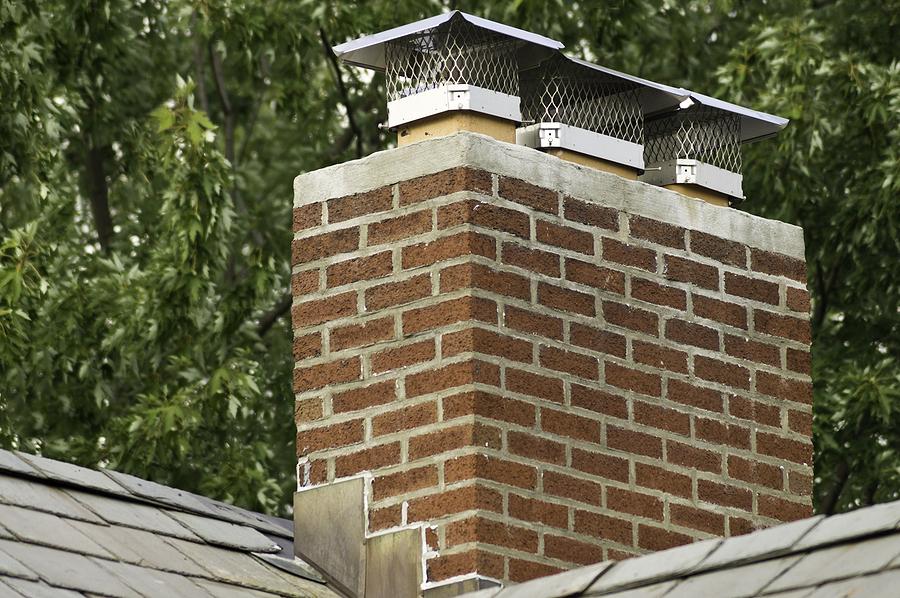
Bats can squeeze through gaps as small as 1/4 inch—roughly the size of a dime. During dusk, watch your home’s exterior to see where bats are exiting. Common entry points include loose fascia boards, vents, chimneys, and gaps where rooflines meet.
Step 2: Install One-Way Doors
Once you have identified the active entry points, install one-way exclusion devices. These can be tubes or netting systems that allow bats to crawl out but collapse or are positioned in a way that prevents them from re-entering. Leave these devices in place for at least five to seven days to ensure all bats have exited.
Step 3: Seal the Gaps
After you are 100% certain all bats have vacated the space, you can permanently seal the entry points. Use high-quality sealant, steel wool, or hardware cloth to close the gaps. Remember, bats are creatures of habit; if they can’t get back into their preferred roost, they will look for another opening nearby, so be thorough in your sealing.
Timing is Everything: The Maternity Season
There is one critical rule in bat exclusion: timing. In Indiana, you generally should not attempt to exclude bats between June 1 and August 15.
During this window, known as maternity season, female bats are raising their flightless pups. If you install exclusion devices during this time, the mothers will fly out to feed, but the babies will be trapped inside. This leads to the pups starving to death, which creates significant odor issues and is inhumane. Additionally, frantic mothers may try to find new ways inside to reach their young, potentially entering your living spaces.
The best times for exclusion are late summer/early fall (after August 15) when the pups can fly, or early spring before the bats return to their summer roosts.
Request a Free Bat Control Estimate in Indianapolis ✅
Legal Considerations in Indiana
Bat control isn’t just about ethics; it’s also about the law. In Indiana, most bat species are protected. Specifically, the Indiana bat (Myotis sodalis) is listed as a state and federally endangered species.
Because of these protections, it is illegal to kill, harm, or harass these animals. This includes using poisons or chemicals, which are not only illegal but ineffective. The Indiana Department of Natural Resources (DNR) strictly advises against exclusion during the maternity season mentioned above. Violating these regulations can result in significant fines. Always ensure your chosen method complies with state and federal guidelines to avoid legal repercussions.
When to Call a Professional
While DIY exclusion is possible for minor issues, there are times when professional help is the safer and smarter choice. You should consider calling a wildlife control company if:
- The colony is large: A significant infestation can result in large amounts of guano (droppings), which can harbor histoplasmosis spores, posing a respiratory risk to humans.
- The entry points are difficult to reach: If the bats are entering through high roof peaks or dangerous areas, professionals have the proper safety equipment to handle the job.
- You are unsure of the species or timing: Professionals can identify the bat species and ensure you are not violating the Endangered Species Act or state maternity season restrictions.
- There is a bat in the living quarters: If a bat is flying inside your home, a professional can remove it safely and determine if rabies testing is necessary.
FAQ’s About Bat Control
How much does bat control cost?
The cost of bat control services can vary depending on the location, severity of infestation, and size of the structure. It is best to contact a professional for a free estimate.
Is bat removal safe for the bats?
Yes, professionals use humane methods to remove bats from your property without harming them.
What do I do if I see a single bat in my house?
If you see a single bat inside your home, it is best to contact a professional for removal and possible rabies testing.
Are bats really beneficial for the ecosystem?
Yes, bats play a crucial role in pollination and controlling insect populations. They also help with seed dispersal and can even act as natural pest control for farmers.
Protecting Your Home and Nature
Coexisting with nature sometimes requires boundaries. By using humane exclusion techniques and respecting the biological needs of local bat populations, you can secure your home without disrupting the ecosystem. Bats are vital to our environment, and responsible control measures ensure they can continue their work as nature’s pest controllers—just outside of your attic.
If you suspect a bat infestation and need expert assistance, don’t take risks with your safety or the law. Contact our team today for a professional bat control assessment and service in Indianapolis, Indiana. We specialize in humane, legal removal strategies that keep your home safe and bat-free.
Related Post: Bat Mites: What They Are and How to Protect Your Home