Enjoying a quiet evening on your patio feels incredible, but hearing unexpected scratching beneath your feet can leave you with a stressful reminder that you share your property with local wildlife. Opossums are highly adaptable creatures that often seek shelter in the safe, dark spaces underneath residential structures.
Having an opossum take up residence beneath your home can cause long-term damage to your property if left unchecked. These marsupials dig holes that can destabilize foundations, tear up barriers, and leave behind hazardous waste. Understanding the common indicators of their presence is crucial for maintaining a safe and healthy home environment.
By paying close attention to the clues these animals leave behind, you can quickly identify the problem and take appropriate action. We will outline the exact warning signs to look for and guide you on the best steps to safely remove these unwanted guests from your yard.
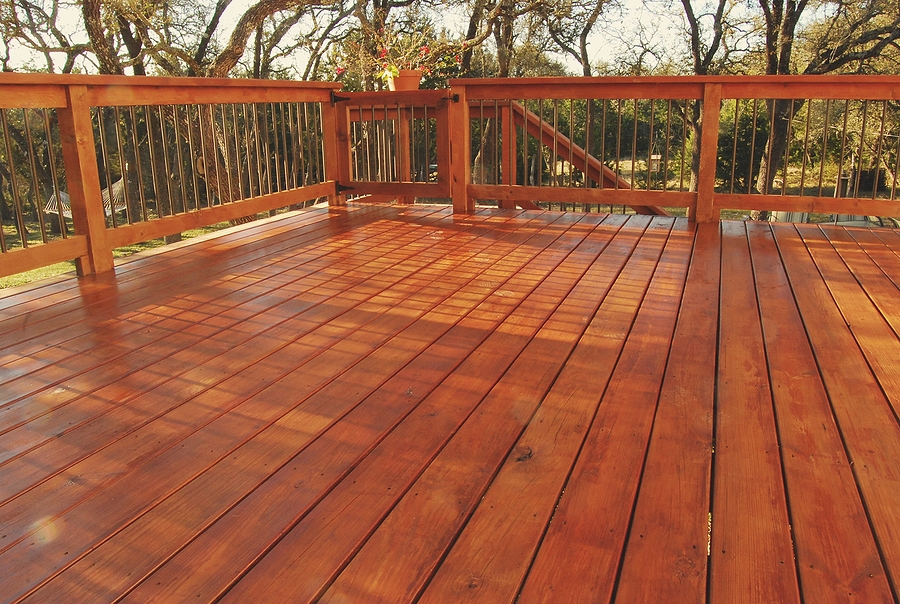
Got a Possum Under the Deck? Here’s What to Look For
To effectively handle a possum hiding under your deck, recognizing the warning signs early is essential. Possums can be elusive, but their presence often leaves behind telltale clues. Here are the five key signs that can help you confirm if a possum is making itself at home under your deck.
1. Mysterious Scratching or Thumping Noises
Hearing faint scratching or heavy thumping beneath your floorboards at night usually means a nocturnal animal has moved in. Opossums are active after the sun goes down, meaning you will primarily hear their movements during the late evening and early morning hours.
While they are generally quiet animals, you might hear the rustling of leaves, twigs, and debris as they build their nests. When opossums communicate, they also produce unique vocalizations. You may hear clicking sounds, which mothers use to call their young. If the animal feels threatened by a neighborhood cat or dog, it will often emit a sharp, defensive hissing noise.
2. Unpleasant and Pungent Odors
A sudden, foul smell lingering around your patio is a strong indicator of wildlife nesting nearby. Opossums are notoriously messy houseguests. They defecate frequently near their nesting areas, and the accumulation of their droppings creates a highly unpleasant stench that easily wafts up through wooden decking.
Additionally, opossums have a unique biological defense mechanism. When they feel extremely threatened and “play dead,” they release a foul-smelling fluid from their anal glands to mimic the scent of a decaying carcass. This pungent odor can soak into the soil underneath your house and linger for days.
3. Missing Pet Food or Raided Trash Cans
Finding empty outdoor pet bowls or scattered garbage points directly to a scavenger feeding on your property. Opossums are opportunistic omnivores with a highly varied diet. They will gladly eat insects, fallen fruit, and food scraps left accessible around your yard.
If you regularly leave cat or dog food on your porch, an opossum will quickly view your home as a reliable food source. You might wake up to find your trash bags torn open or notice that your outdoor pet food vanishes completely overnight. Removing these attractants is a vital step in discouraging them from sticking around.
4. Visible Damage to Lattice or Decking
Broken wooden panels, moved dirt, and torn lattice indicate an animal has forced its way under your structure. Opossums are roughly the size of a housecat, weighing around 10 pounds. They need a decently sized opening to access the space under your porch or shed.
Look for areas where the soil has been excavated near the base of your deck. Opossums dig holes to squeeze under barriers, and this tunneling can cause your foundation to become unstable over time. You might also find chew marks on wood, bent wire mesh, or clumps of coarse gray hair snagged on sharp edges where the animal squeezes through.
5. Unusual Animal Tracks and Droppings
Spotting distinct paw prints or accumulating feces around your yard confirms you have an active wildlife visitor. Checking the mud or soft dirt near the suspected entry point is one of the easiest ways to identify the culprit. You can even lay down a fine layer of sand or talcum powder near the deck opening to capture clear footprints overnight.
How to Distinguish Opossum Tracks from Raccoons
Opossum tracks feature five toes on each foot. Their front prints are roughly two inches wide, while their hind prints are highly unique because they have an opposable thumb that sticks out at a wide angle, resembling a star. Raccoon tracks, by contrast, look remarkably like tiny human hands with long, slender fingers pointing forward.
You can also identify the animal by its scat. Opossum droppings are typically one to two inches long with smooth, tapered ends. Raccoon feces are generally larger, measuring two to three inches long, and feature blunt, flat ends.
How to Remove an Opossum Under the Deck
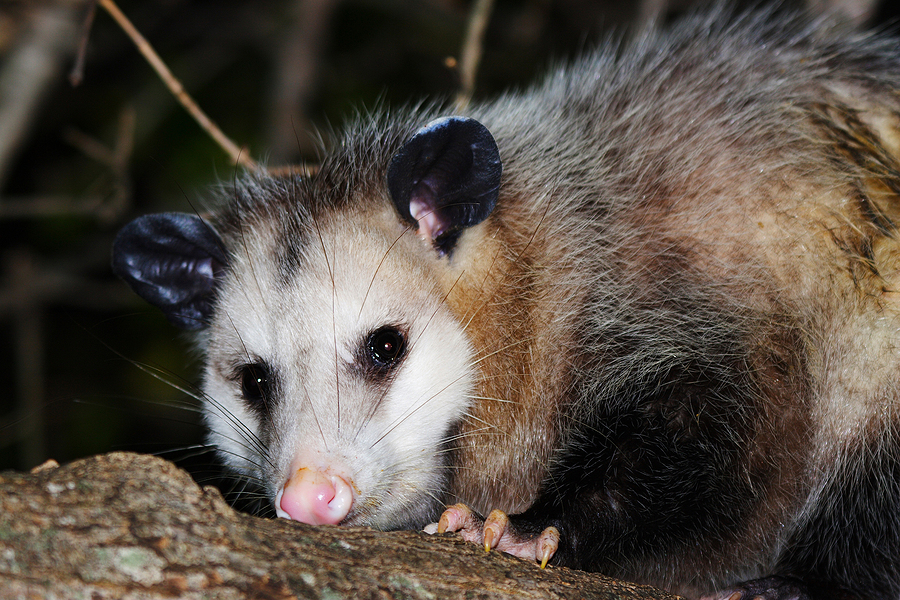
If you have identified an opossum living under your deck, it is important to remove it safely and humanely. Opossums are generally non-aggressive animals and will likely not pose a threat to humans or pets, but they can cause damage to your property and may carry wildlife diseases.
Here are the steps to safely remove an opossum from under your deck:
- First, determine if there are any babies present. Opossums are marsupials and often have young in their pouches. If you find babies, it is best to contact a wildlife specialist for assistance.
- Once you have confirmed that there are no young opossums present, try using noise and light to encourage the opossum to leave. Place a bright light near the entrance of the deck and play loud music or make loud noises. This may startle the opossum and encourage it to leave.
- If the opossum does not leave, you can try using a non-lethal trap baited with food such as fruits, vegetables, or cat food. Once caught, release the opossum in a wooded area away from your property.
- If all else fails, it is best to contact a professional animal removal service for assistance in safely removing the opossum.
Remember, it is important to always handle wildlife with care and respect. Opossums are beneficial for our ecosystem and should not be harmed unless necessary for the safety of yourself or others. Additionally, it is important to prevent future opossums from entering your property by securing trash cans, sealing off potential entry points in your home, and removing any potential food sources such as fallen fruits or pet food left outside.
By taking these preventative measures, you can coexist peacefully with opossums and other wildlife. Remember to always handle any wild animal encounters calmly and responsibly.
Frequently Asked Questions about Opossum Behavior
Are opossums dangerous to humans or pets?
Opossums are generally docile and prefer to avoid confrontation. When cornered, they might hiss or show their teeth, but they rarely attack. They also have a naturally low body temperature, making them highly resistant to the rabies virus.
Why do opossums choose to live under decks?
The space beneath a deck provides the perfect shelter. It offers a dark, quiet, and dry environment protected from natural predators and harsh weather conditions.
Can I trap and move an opossum myself?
Handling wildlife removal on your own is risky and heavily regulated. For example, Indiana Department of Natural Resources (DNR) regulations state that captured opossums must be euthanized or released within the exact same county of capture on private property where you have explicit permission. Violating these wildlife laws can result in steep fines.
Maintaining a Pest-Free Home
Protecting your property from wildlife damage requires prompt attention and proactive maintenance. Sealing up entry points, securing your trash, and monitoring your yard for signs of digging will help keep your outdoor living spaces clean and structurally sound.
If you suspect an opossum is living under your property, navigating the removal process safely and legally is essential. For Indianapolis homeowners, our team provides expert wildlife inspection and opossum removal services. Contact us today to schedule your professional inspection and reclaim your yard.
Related Post: Should I Be Scared of Opossums on My Property?