TL;DR: Squirrels nesting in your attic can damage wiring, insulation, and structural wood—posing a real fire risk. Identify them by daytime scratching sounds and gnaw marks near entry points. Use humane one-way exclusion doors to remove them, seal all entry points, and trim tree branches away from your roofline. In Indiana, you can trap gray and fox squirrels without a permit, but releases must stay within the county of capture. When in doubt, call a licensed wildlife control professional.
Key Takeaways:
- Daytime scratching or scurrying sounds are a telltale sign of squirrel activity
- Squirrel entry holes range from golf ball to baseball size
- Chewed wiring is a documented fire hazard—don’t ignore it
- Spring is the worst time to seal up entry points; babies may still be inside
- Indiana homeowners can trap gray and fox squirrels without a permit, but must notify their local DNR Conservation Law Enforcement Officer within 72 hours
Table of Contents:
- How to Identify a Squirrel Infestation
- Why You Need to Remove Squirrels Quickly
- Safe and Humane Removal Methods
- How to Prevent Future Squirrel Entry
- FAQ
- Quick Recap & Conclusion
- Get Squirrel Removal in Indianapolis
How to Identify a Squirrel Infestation
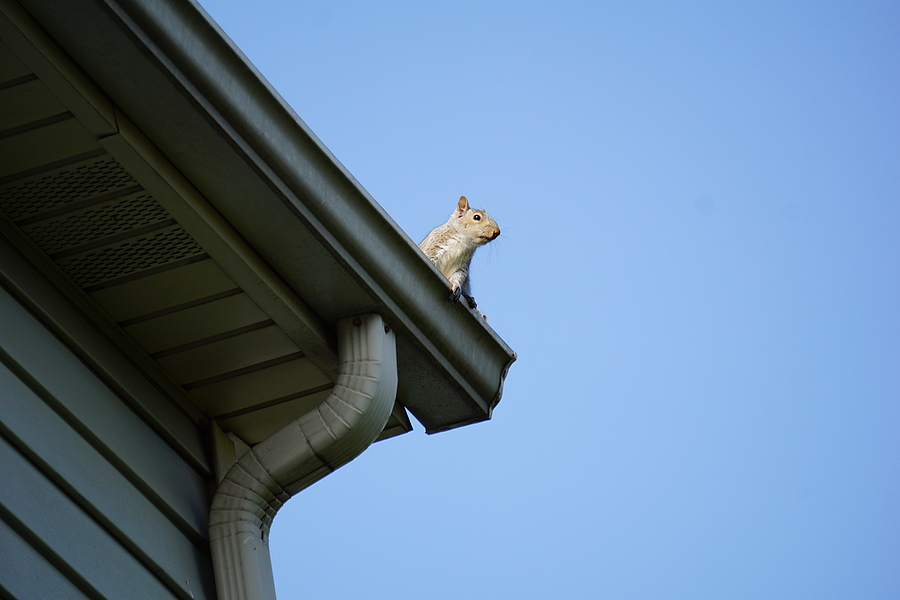
You’re most likely dealing with squirrels if you hear scratching, scurrying, or gnawing sounds during the day—especially in the early morning or late afternoon. Unlike mice or bats, which are nocturnal, gray and fox squirrels (the most common attic invaders in Indianapolis) are active during daylight hours.
A telltale moment of clarity often comes when you actually spot a squirrel moving in and out of your attic vent—and suddenly connect that activity to the sounds you’ve been hearing for weeks.
Here’s what else to look for:
- Gnaw marks and smear stains around entry holes. Squirrel fur has an oily film that rubs off on wood near frequently used openings, leaving a dark, greasy ring
- Entry hole size: Red squirrel holes are roughly golf ball-sized; gray and fox squirrel holes are closer to baseball-sized
- Droppings in the attic—smooth, rounded, clustered in one area
- Nesting material like leaves, insulation, or shredded cardboard tucked into corners
- Flour test: Sprinkle flour around a suspected entry point. Fresh footprints the next morning confirm an active opening
Not sure if the hole is currently in use? Stuff a loose piece of plastic or paper into it. If it’s been moved when you check back, something’s going in and out.
Why You Need to Remove Squirrels Quickly
A squirrel in your attic isn’t just a nuisance—it’s a structural and fire risk that can escalate fast. Purdue Extension’s PPP-56 states it plainly: “Squirrels are known arsonists—homes have burned as a result of their chewing on electrical wiring in the attic.” Because squirrels are rodents, their front teeth never stop growing. Constant gnawing isn’t a quirk; it’s a biological necessity. Exposed wiring is a natural target.
Beyond fire hazards, the damage compounds over time:
- Insulation destruction: Squirrels shred and compress attic insulation for nesting, reducing its effectiveness and driving up your energy bills
- Structural wood damage: Persistent gnawing weakens rafters, fascia boards, and roof decking
- Contamination: Squirrel droppings can harbor pathogens. Purdue Extension recommends wearing gloves and a mask when cleaning up in enclosed spaces
- Secondary infestations: Once squirrels create an opening, other wildlife—raccoons, bats, birds—may follow
The longer you wait, the more costly the repairs become. Remove squirrels as soon as possible with the help of our wildlife control specialists.
Safe and Humane Squirrel Removal Methods
The most effective approach combines a one-way exclusion door with permanent sealing of all other entry points. It is important Hiring a licensed wildlife removal company ensures that the process is conducted safely, humanely, and in compliance with local regulations. Professionals are trained to properly install one-way exclusion doors, which allow the squirrels to exit your home without reentry, preventing further damage or distress to the animals.
Additionally, they are skilled in identifying and sealing all potential entry points, reducing the risk of future infestations. Licensed experts also have the knowledge and equipment to handle the cleanup of hazardous animal waste, such as droppings, which can carry harmful diseases. By relying on experienced professionals, you safeguard your home while protecting the well-being of the wildlife involved.
How to Prevent Future Squirrel Entry
The best long-term defense is a combination of structural sealing and property modifications that eliminate easy access routes.
- Trim tree branches to at least 6 to 8 feet away from your roofline—squirrels use overhanging limbs as launchpads
- Install an 18-inch sheet metal collar around tree trunks near the house to prevent climbing (effective for single trees)
- Cap your chimney with an animal-proof cover—chimneys are prime nesting sites
- Secure attic vents with ¼-inch hardware cloth on the inside
- Check for rotten or missing roof boards each fall and repair before winter drives wildlife indoors
- Move bird feeders away from the house, or mount them on baffled poles at least 24 inches off the ground
Early fall is the ideal time for a prevention sweep. Young squirrels will have left the nest, and sealing gaps before the cold sets in means you’re blocking entry before they go looking for warm shelter.
FAQ Section
How do I know if it’s squirrels and not rats or mice?
Squirrels are active during the day; rats and mice tend to be nocturnal. Squirrel entry holes are also larger—roughly golf ball to baseball size—and you may actually see them entering or exiting your roofline.
Can I remove squirrels myself in Indiana?
Yes, for gray and fox squirrels. No permit is required, but you must contact your local DNR Conservation Law Enforcement Officer within 72 hours of trapping. Flying squirrels are protected and cannot be removed without a special permit.
Can I relocate squirrels to a nearby park?
Not without complications. Indiana law requires that any animal released on land other than your own property must have written permission from that landowner. Releases must also stay within the county of capture.
How much does professional squirrel removal cost in Indianapolis?
Costs vary based on the severity of the infestation, number of entry points, and whether attic restoration is needed. Contact a licensed local wildlife control operator for an accurate estimate.
What time of year is worst for squirrel infestations?
Late winter through spring is when females are most likely to move inside to nurse young. Fall is the second-highest risk period, as squirrels seek warm shelter before temperatures drop.
Is squirrel urine and feces dangerous?
Squirrel droppings can carry pathogens. When cleaning the attic, Purdue Extension recommends gloves, a mask, and thorough handwashing before touching your face or food.
Quick Recap: Getting Rid of Squirrels
- Listen for daytime scratching and look for greasy gnaw marks near entry holes
- Act quickly—chewed wiring is a fire hazard, and insulation damage compounds over time
- Seal all entry points except one, install a one-way exclusion device, and wait up to a week
- Avoid sealing in early spring if young may still be inside
- If trapping, check traps every 24 hours and notify the DNR within 72 hours of removal
- Trim tree branches 6–8 feet from your roofline and cap your chimney
- Call a licensed pro if the infestation is large or you’re unsure about the process
Conclusion
Dealing with a wildlife infestation can be challenging, but taking proactive and humane measures ensures both your safety and the well-being of the animals involved. By following these guidelines and remaining vigilant, you can prevent future issues and protect your home from damage. Remember, it’s always okay to call in a professional if you’re unsure or overwhelmed—your safety is paramount. With thoughtful planning and action, coexistence with wildlife is possible, creating a safer environment for everyone.
Squirrels move fast and do damage quietly. The sooner you act, the less expensive the fix. If you’re dealing with squirrels in your attic in Indianapolis or the surrounding counties, our licensed wildlife control team is ready to help—safely, humanely, and in full compliance with Indiana DNR regulations. Contact us today for a free inspection.
Related Post: When You Need Expert Squirrel Removal Service