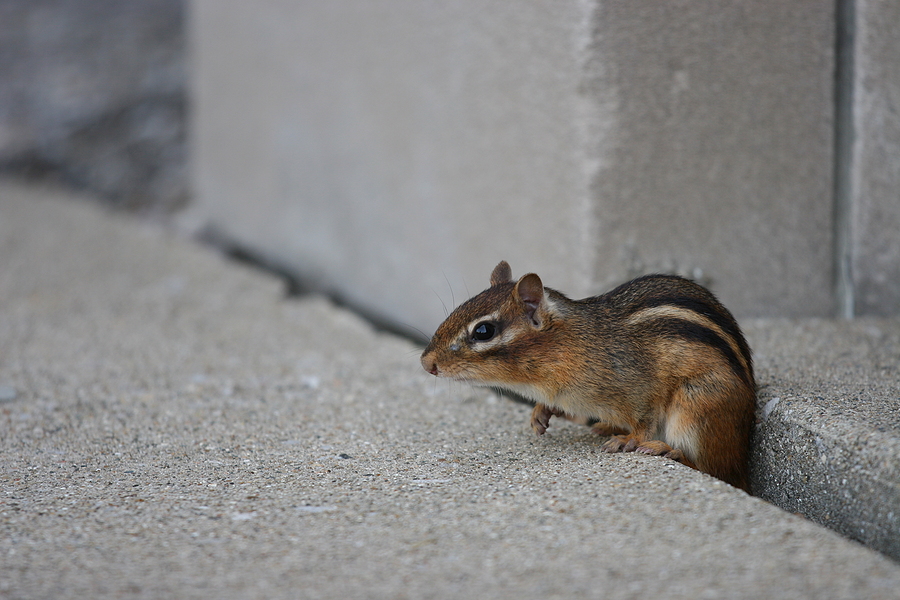
Chipmunks are undeniably charming—until they start tunneling beneath your patio or raiding your garden. What begins as a harmless-looking visitor can quickly turn into a persistent problem, especially when a few chipmunks become many. Understanding what draws them to your property, how to spot the signs of an infestation, and what you can do to remove them humanely will save you significant time, money, and frustration.
This guide covers everything Indianapolis homeowners need to know about chipmunk removal—from simple prevention strategies to knowing when it’s time to call in a professional.
Why Are Chipmunks Attracted to Your Property?
Chipmunks are opportunists. They’re drawn to residential properties primarily because of two things: food and shelter.
Food sources are the biggest draw. Bird feeders are a particularly common culprit. According to Penn State Extension, birdseed spilled near the home provides a reliable, easily accessible food supply. Chipmunks also eat nuts, berries, seeds, mushrooms, insects, flower bulbs, and garden vegetables—making a typical suburban yard a well-stocked buffet. Pet food left outdoors is another attractant that homeowners often overlook.
Shelter is equally important. Chipmunks prefer areas with plenty of ground-level cover—think wood piles, brush piles, stone walls, and dense ground plantings near building foundations. These features provide both protection from predators and ideal burrowing conditions. Once a chipmunk finds a safe, food-rich environment on your property, it won’t take long for others to follow.
Signs of a Chipmunk Infestation in Your Yard
Chipmunk activity is usually visible if you know what to look for. Here are the key signs to watch for:
Burrow entrances are the most reliable indicator. Chipmunk burrows are typically about 2 inches in diameter. Unlike mole tunnels, there’s no obvious mound of displaced soil around the entrance—chipmunks carry excavated dirt away in their cheek pouches and scatter it. The main burrow tunnel can run 20 to 30 feet long, with chambers for nesting and food storage branching off the main passage.
Structural damage is a more serious warning sign. When chipmunk populations grow, their burrowing can destabilize patios, stairs, retaining walls, pool liners, and foundations. If you notice settling or cracking near these structures, burrowing activity may be the cause.
Garden and landscape damage is another telltale sign—eaten flower bulbs, missing seeds, and disturbed soil around garden beds all point to chipmunks.
Sounds and sightings round out the picture. Chipmunks are active during daylight hours, particularly in the early morning and late afternoon. They produce a distinctive “chuck-chuck-chuck” call and a high-pitched warning “wee” when startled. If you’re regularly hearing or spotting chipmunks near your home, it’s worth investigating further.
Humane Methods for Chipmunk Removal and Prevention
The good news: there are several effective, humane strategies for managing chipmunks without causing unnecessary harm.
Exclusion
Physical barriers are one of the most reliable long-term solutions. Use ¼-inch mesh hardware cloth to seal openings around your home’s foundation, close gaps under siding, and protect garden beds and planted bulbs. For active burrows, wait until the chipmunk is out foraging, then fill the hole with soil and cover it with rocks or heavy objects to discourage re-entry.
For structural gaps, hardware cloth topped with sheet metal provides a more durable barrier. Materials like Copper Stuff-Fit or Xcluder™ work well for sealing smaller openings in walls and foundations.
Habitat Modification
Making your property less hospitable is one of the simplest preventive measures. Penn State Extension recommends placing bird feeders at least 15 to 30 feet from buildings to reduce spilled seed near the home. Stack firewood away from your foundation, keep grass trimmed short around building edges, and avoid planting dense ground cover that connects wooded areas directly to your home. Removing brush piles and filling gaps in stone walls also eliminates key shelter and burrowing sites.
Repellents
Taste repellents containing capsaicin, Bitrex®, thiram, or ammonium soaps of higher fatty acids can protect flower bulbs, seeds, and foliage. Fox or coyote urine is also registered for use in lawns and gardens. That said, chipmunk repellents require multiple applications and rarely eliminate animal activity entirely—they work best as a supplementary measure alongside exclusion and habitat modification.
Live Trapping
Live animal trapping is a practical and humane option for smaller infestations. Cage traps should be at least 3 x 3 x 10 inches with ¼-inch mesh. Effective baits include peanut butter, sunflower seeds, nutmeats, raisins, or pieces of fruit. Place bait at the back of the trap to reduce the risk of catching birds.
For best results, “prebait” for 2 to 3 days by propping the trap door open so chipmunks become comfortable feeding from it. Once they’re consistently visiting, set the trap and check it frequently—at least once every 24 hours. Avoid direct contact with trapped chipmunks, and release them several miles from your property.
Note: The Indiana DNR does not classify chipmunks as protected wildlife, meaning homeowners can remove them without a state permit.
When to Call a Professional for Chipmunk Control
While DIY methods work well for mild infestations, some situations genuinely call for professional expertise. Consider contacting a licensed wildlife control company if:
- Burrow activity is widespread, particularly near your home’s foundation, retaining walls, or pool area, where structural damage may already be underway
- DIY trapping hasn’t worked after several weeks of consistent effort
- You’re seeing 10 or more chipmunks regularly on your property—populations at this density require a systematic, coordinated removal approach
- You’re uncertain about identification—chipmunks are sometimes confused with ground squirrels or other burrowing rodents, each of which may require a different management strategy
A licensed chipmunk removal service is familiar with local chipmunk behavior patterns, can assess the extent of burrowing damage, and can deploy targeted control methods efficiently and safely.
Frequently Asked Questions
Are chipmunks dangerous to humans?
Chipmunks are not considered important carriers of diseases harmful to humans. Like all rodents, they can be susceptible to Lyme disease, so it’s wise to avoid direct contact with trapped animals. Always wash your hands after handling traps.
How many chipmunks is considered an infestation?
Population densities can reach up to 10 chipmunks per acre when food and cover are plentiful. If you’re regularly spotting multiple individuals near your foundation or garden, it’s worth acting sooner rather than later.
Do chipmunks cause serious structural damage?
Yes—over time, extensive burrowing can undermine patios, retaining walls, stairs, pool liners, and foundations. Early intervention significantly reduces the risk of costly repairs.
Is it legal to trap chipmunks in Indiana?
Yes. According to the Indiana DNR, chipmunks are not protected by state law and can be trapped or removed at any time using any method, without a DNR permit. However, those providing chipmunk control services for a fee must obtain the appropriate nuisance wildlife control permit.
When are chipmunks most active?
Chipmunks are most active during daylight hours, particularly in the early morning and late afternoon. They become inactive in late fall and remain dormant through winter, emerging again in early spring.
Will chipmunks come back after removal?
They can, especially if the food sources and shelter conditions that attracted them haven’t been addressed. Combining removal with habitat modification and exclusion is the most effective long-term strategy.
Quick Recap: Key Chipmunk Removal Tips
- Move bird feeders at least 15–30 feet from your home
- Seal foundation gaps and entry points with ¼-inch hardware cloth
- Remove brush piles, wood stacks, and dense ground cover near buildings
- Use taste repellents on garden beds as a supplementary deterrent
- Prebait live traps for 2–3 days before setting them
- Check traps at least once every 24 hours
- Release or humanely manage captured chipmunks away from your property
- Call a professional if burrowing is widespread or structural damage is visible
Protect Your Property Before the Damage Deepens
A chipmunk or two may seem harmless. But given how quickly populations grow—two breeding seasons per year, producing up to five young each time—a minor nuisance can become a significant problem faster than most homeowners expect.
The most effective approach combines prompt action with long-term prevention: address the food sources and shelter conditions that attract chipmunks, seal off potential entry points, and remove existing animals humanely.
If you’re in Indianapolis and dealing with a chipmunk problem, don’t wait. Reach out to our local chipmunk removal service to schedule a free estimate and start protecting your home today.
Related Post: Invasion of the Chipmunks: Effective Strategies for Infestation Management